Kwanzan Cherry
Prunus serrulata 'Kwanzan'
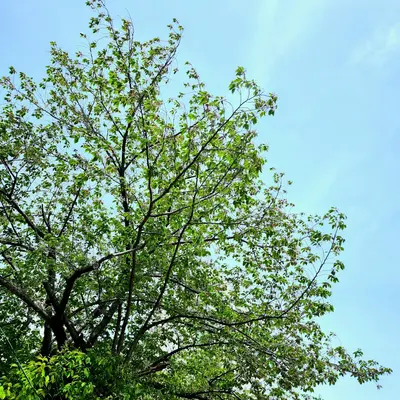
The showstopper of ornamental cherries, producing spectacular double pink flowers that look like fluffy pompoms covering every branch in mid to late spring. This vigorous grower creates one of the most breathtaking spring displays possible, with flowers so abundant they nearly hide the branches completely. The extended bloom period and reliable flowering make it a favorite for homeowners wanting guaranteed spring drama.
Harvest
N/Ad
Days to harvest
Sun
Full sun
Zones
5–8
USDA hardiness
Height
15-25 feet
Planting Timeline
Showing dates for Kwanzan Cherry in USDA Zone 7
All Zone 7 shade-tree →Zone Map
Click a state to update dates
Kwanzan Cherry · Zones 5–8
Growing Details
Zone-by-Zone Planting Calendar
Complete Growing Guide
Soil: Loam (Silt). Soil pH: Acid (<6.0), Alkaline (>8.0), Neutral (6.0-8.0). Drainage: Good Drainage, Moist. Height: 15 ft. 0 in. - 25 ft. 0 in.. Spread: 15 ft. 0 in. - 25 ft. 0 in.. Growth rate: Medium. Maintenance: Low. Regions: Coastal, Mountains, Piedmont.
Harvesting
The fruit is an inconspicuous, small, round, fleshy black drupe and appear in late summer.
Color: Black. Type: Drupe. Length: < 1 inch. Width: < 1 inch.
Harvest time: Summer
Bloom time: Spring
History & Origin
Origin: Japan, China, Korea
Advantages
- +Disease resistance: Deer
- +Attracts: Butterflies, Pollinators, Songbirds
- +Wildlife value: This is a larval host plant to Eastern Tiger Swallowtail (Papilio glaucus). You may see three flights from February-November in the deep south and two flights from May-September in the north. Birds relish the fruits, though they are not plentiful.
- +Low maintenance
Companion Plants
Plant Together
Hostas
Thrive in partial shade under cherry canopy, complement spring blooms with summer foliage
Astilbe
Tolerates dappled shade, adds colorful plumes when cherry blooms fade
Heuchera
Shallow roots won't compete, provides year-round foliage color in partial shade
Japanese Painted Fern
Thrives in filtered light, silver foliage contrasts beautifully with cherry bark
Caladium
Grows well in cherry's dappled shade, colorful leaves provide summer interest
Ajuga
Forms dense groundcover that suppresses weeds while tolerating root competition
Lungwort
Early spring blooms complement cherry blossoms, spotted leaves add texture in shade
Lamium
Variegated leaves brighten shaded areas, spreads to form attractive groundcover
Keep Apart
Black Walnut
Produces juglone toxin that can damage cherry tree roots and overall health
Grass Lawn
Competes heavily for water and nutrients, shallow roots interfere with cherry feeder roots
Large Evergreen Trees
Create dense shade that prevents cherry from receiving adequate sunlight for flowering
Pests & Disease Resistance
Resistance
Moderate, typical cherry disease susceptibilities
Common Pests
Aphids, Japanese beetles, scale insects, borers
Diseases
Cherry leaf spot, canker, powdery mildew, root rot