Bradford Pear
Pyrus calleryana 'Bradford'
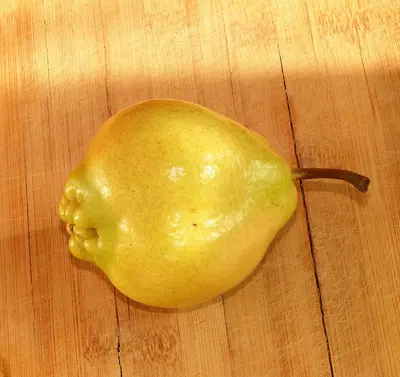
A fast-growing ornamental tree famous for its spectacular white spring blooms and vibrant fall colors ranging from yellow to deep red. While popular for quick shade and beauty, it's known for weak branch structure that requires careful pruning. Many areas now recommend alternative pear varieties due to invasive concerns.
Harvest
N/Ad
Days to harvest
Sun
Callery Pear: 'Bradford' and Other Varieties and Their Invasive Progeny
Zones
5–9
USDA hardiness
Height
30-50 feet
Planting Timeline
Showing dates for Bradford Pear in USDA Zone 7
All Zone 7 shade-tree →Zone Map
Click a state to update dates
Bradford Pear · Zones 5–9
Growing Details
Zone-by-Zone Planting Calendar
Complete Growing Guide
Light: Callery Pear: 'Bradford' and Other Varieties and Their Invasive Progeny. Soil: Clay, Loam (Silt), Sand. Soil pH: Acid (<6.0), Alkaline (>8.0), Neutral (6.0-8.0). Drainage: Good Drainage, Moist, Occasionally Dry. Height: 30 ft. 0 in. - 50 ft. 0 in.. Spread: 20 ft. 0 in. - 35 ft. 0 in.. Spacing: 24-60 feet. Growth rate: Rapid. Maintenance: 'Aristocrat', 'Autumn Blaze', 'Bradford', 'Capital', 'Chanticleer', 'Cleveland Select', 'Invasive', 'Redspire', 'Whitehouse'. Propagation: Grafting, Seed. Regions: Coastal, Mountains, Piedmont.
Harvesting
The fruits are yellowish green to brown, round, 0.5 to 1-inch in diameter, and inedible with a brown pit. They have no practical value nor ornamental use except it attracts birds..
Color: Brown/Copper, Gold/Yellow, Green. Type: Pome. Length: < 1 inch. Width: < 1 inch.
Harvest time: Summer
Bloom time: Spring
History & Origin
Origin: Central to Southern China to Vietnam, Central Japan, and Taiwan
Advantages
- +Disease resistance: Compaction, Deer, Drought, Heat, Pollution, Poor Soil, Urban Conditions
- +Attracts: Cream/Tan, White
- +Wildlife value: The fruits attract many birds.
- +Fast-growing
Companion Plants
Plant Together
Hosta
Thrives in partial shade provided by the tree canopy and adds attractive foliage
Astilbe
Flourishes in dappled shade and adds colorful spring blooms beneath the tree
Heuchera
Tolerates shade well and provides year-round colorful foliage as groundcover
Ferns
Natural woodland companions that thrive in the moist, shaded conditions under the canopy
Caladium
Heat-tolerant shade plant that adds vibrant colored leaves during summer months
Impatiens
Shade-loving annual that provides continuous blooms throughout the growing season
Begonia
Performs well in filtered light and adds bright flowers to shaded areas
Coleus
Shade-tolerant foliage plant that complements the tree with colorful leaves
Keep Apart
Black Walnut
Releases juglone which can inhibit Bradford Pear growth and health
Tomatoes
Require full sun and suffer in the shade cast by the tree canopy
Roses
Need full sun exposure and good air circulation, both compromised under tree canopy
Pests & Disease Resistance
Resistance
Susceptible to fire blight and leaf spot
Common Pests
Aphids, scale insects, borers
Diseases
Fire blight, leaf spot, canker