Sunny Knockout
Rosa 'Sunny Knockout'
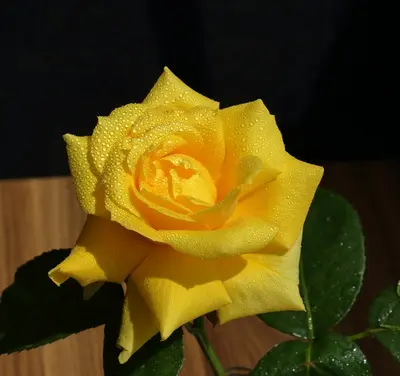
A brilliant yellow member of the famous Knockout rose family that brings continuous bright color with virtually no maintenance required. This compact shrub rose blooms from spring until frost with cheerful yellow flowers that resist fading, making it perfect for beginning gardeners or anyone wanting reliable performance. Sunny Knockout combines the legendary disease resistance of the Knockout series with sunny disposition that brightens any landscape.
Harvest
60-70d
Days to harvest
Sun
Full sun
Zones
5–11
USDA hardiness
Height
1-8 feet
Planting Timeline
Showing dates for Sunny Knockout in USDA Zone 7
All Zone 7 rose →Zone Map
Click a state to update dates
Sunny Knockout · Zones 5–11
Growing Details
Complete Growing Guide
Sunny Knockout roses are best started from container-grown plants purchased from your nursery rather than from seed, as they are a hybrid cultivar that won't come true from seed. Plant your new rose in spring after the last frost date has passed, when soil temperatures reach at least 60°F. This timing allows the plant to establish a strong root system before the heat of summer arrives, ensuring it flowers prolifically from early summer through the first hard frost.
Space Sunny Knockout plants about 3 to 4 feet apart to allow adequate air circulation, which helps prevent fungal issues in humid climates. Dig a planting hole slightly wider than the root ball and just as deep, then amend your native soil with compost or aged manure to improve drainage and fertility. These roses prefer well-draining soil with a pH between 6.0 and 6.5. Backfill the hole, water thoroughly, and apply 2 to 3 inches of mulch around the base, keeping it a few inches away from the canes to prevent rot.
Water Sunny Knockout deeply once or twice weekly, depending on rainfall and heat. The goal is to keep soil consistently moist but never waterlogged. During the growing season, feed your rose monthly with a balanced rose fertilizer or slow-release granules formulated for roses. Begin feeding in early spring when new growth appears and continue through late summer, stopping about six weeks before your first expected frost to allow the plant to harden off.
While the Knockout series is legendarily disease-resistant, Sunny Knockout occasionally struggles with rust in persistently humid regions, particularly in late summer and fall. Watch for orange or brown pustules on the undersides of leaves, and improve air circulation by pruning out crossing canes and removing lower foliage. Japanese beetles and aphids may visit your Sunny Knockout, but infestations are typically minimal; handpick beetles early in the morning or use neem oil for aphids if populations become noticeable.
Prune Sunny Knockout in early spring, removing any dead or winter-damaged canes and cutting the plant back by about one-third its height to encourage bushier growth and more abundant flowering. Remove spent flowers throughout the season by deadheading just above the first five-leaflet leaf, which signals the plant to produce more blooms rather than setting seed.
The most common mistake gardeners make with Sunny Knockout is overwatering, especially in spring. These roses are quite drought-tolerant once established, and excessive moisture invites root rot and fungal diseases. Water at soil level rather than overhead, and allow the top inch of soil to dry between waterings.
Harvesting
For optimal enjoyment of Sunny Knockout blooms, harvest when petals are fully open and display their brightest, most vibrant yellow color, as this cultivar's flowers peak in intensity before any fading occurs. Gently squeeze the stem near the base—it should feel firm but not woody. Unlike single-flush roses, Sunny Knockout's continuous blooming pattern means you can harvest regularly throughout the season without depleting the plant; deadheading spent flowers actually encourages more blooms. Timing your harvest in early morning, just after dew dries but before heat stress, preserves the subtle fragrance and ensures the longest vase life for your cut flowers.
The accessory fruit is called a hip and forms after the flowers finish blooming. The hip will appear under the sepals of where the flower was after the flower dies. They will turn from green to red. They are filled with many achenes surrounded by irritating hairs.
Color: Green, Red/Burgundy. Type: Achene. Length: < 1 inch. Width: < 1 inch.
Garden value: Showy
Harvest time: Fall
Edibility: The fruit (called the hip) is edible.
Storage & Preservation
For fresh-cut Sunny Knockout roses, store stems in a clean vase with room-temperature water mixed with flower food. Keep in a cool location away from direct sunlight and ripening fruit. Cut flowers last 7-14 days with proper care. Preservation methods: (1) Air-dry by hanging stem bundles upside-down in a dark, well-ventilated space for 2-3 weeks; (2) Press flowers between heavy books or in a flower press for flat arrangements; (3) Freeze petals in ice cube trays with water for decorative use. For potted plants, maintain consistent watering and provide 6+ hours daily sunlight.
History & Origin
The Sunny Knockout rose emerged from the celebrated Knockout breeding line developed by Wm. Radler, whose systematic breeding program at Star Roses and Plants yielded the original red Knockout in 2000. As consumer demand for low-maintenance shrub roses grew, the program expanded to include yellow variants, with Sunny Knockout introduced in the early 2000s as part of this successful commercial series. While detailed documentation of the exact year and specific parentage remains limited in readily available sources, the variety maintains the disease-resistant genetics and continuous-bloom characteristics that defined Radler's original Knockout achievement, establishing itself as a reliable garden performer within this well-documented breeding lineage.
Origin: Temp. & Subtropical Northern Hemisphere (such as Europe & Asia)
Advantages
- +Brilliant yellow flowers bloom continuously from spring until frost
- +Highly disease resistant with virtually no maintenance requirements needed
- +Perfect for beginner gardeners seeking reliable, foolproof rose performance
- +Compact shrub size fits well in smaller landscape spaces
- +Flowers resist fading, maintaining vibrant color throughout blooming season
Considerations
- -Japanese beetles and aphids occasionally pest the plant
- -Subtle fragrance may disappoint those seeking strongly scented roses
- -Occasional rust develops in humid conditions despite disease resistance
Companion Plants
Lavender, catmint, and salvia are the companions I'd prioritize around Sunny Knockout. All three are low-water once established, so they don't compete hard for moisture the way a thirsty annual would — and in our zone 7 Georgia summers, that matters when you're trying to keep roses at 1 to 1.5 inches per week without drowning everything around them. They also attract predatory wasps and hoverflies that work through aphid populations before you notice a problem. Alliums — ornamental onions, or just garlic tucked in at the base — add sulfur compounds at close range that confuse aphids and thrips.
Marigolds at the border pull double duty: root secretions from French marigolds (Tagetes patula specifically) suppress soil nematodes, and they tend to draw Japanese beetles away from the roses. Keep black walnut off the property entirely if you can help it. Juglone from the roots doesn't just slow things down — it can outright kill a rose, and the toxic zone extends well beyond the tree's drip line. Large shade trees create a similar problem by cutting into the 6 full hours of sun Sunny Knockout needs to set buds consistently.
Plant Together
Lavender
Repels aphids, moths, and deer while attracting beneficial pollinators
Marigolds
Deters nematodes, aphids, and whiteflies with natural pest-repelling compounds
Catmint
Repels ants, aphids, and rodents while attracting beneficial insects
Alliums
Natural fungicide properties help prevent black spot and powdery mildew
Clematis
Provides vertical interest and shares similar soil and water requirements
Salvia
Attracts beneficial insects and provides complementary purple blooms
Geraniums
Natural pest deterrent and provides continuous color throughout growing season
Hostas
Provides contrasting foliage texture and thrives in partial shade created by roses
Keep Apart
Black Walnut
Releases juglone toxin that inhibits rose growth and causes wilting
Large Trees
Competes for nutrients and water while creating excessive shade
Brassicas
Heavy feeders that compete for nutrients and may stunt rose growth
Pests & Disease Resistance
Resistance
Excellent resistance to black spot, powdery mildew, and rust
Common Pests
Japanese beetles, aphids (minimal issues)
Diseases
Highly disease resistant, occasional rust in humid conditions
Troubleshooting Sunny Knockout
What you'll see, why it happens, and what to do about it.
Black spots on leaves, edges irregular or 'feathered,' leaves yellowing and dropping — can start as early as late spring
Likely Causes
- Black spot (Diplocarpon rosae) — a fungal disease that splashes up from the soil and thrives when leaves stay wet overnight
- Watering overhead in the evening, extending leaf wetness into the morning
What to Do
- 1.Water at the base of the plant only, and do it in the morning so leaves dry quickly
- 2.Mulch around the base in late winter to reduce soil splash onto lower foliage
- 3.Prune out any cane infections in winter and bag the clippings — don't compost them; keep fallen leaves raked up
New shoots elongated and spindly, holding dark red color well past the juvenile stage — or excessive thorniness appearing on otherwise normal canes
Likely Causes
- Rose rosette disease (Rose rosette virus), transmitted by the eriophyid mite Phyllocoptes fructiphilus
- Witches'-broom (shoot proliferation) can also appear, though NC State Extension notes this symptom can mimic low-dose glyphosate drift
What to Do
- 1.Dig and remove the entire plant, roots included — there is no cure for Rose rosette virus; bagging the plant before pulling helps limit mite spread
- 2.Check neighboring roses within 10–15 feet; mites move easily on wind and tools
- 3.Disinfect pruning tools with a 10% bleach solution before moving to a healthy plant
Skeletonized leaves and chewed flower buds, bronze-green beetles visible on the plant mid-summer
Likely Causes
- Japanese beetles (Popillia japonica) — peak feeding in Georgia typically runs June through August
- Beetle aggregation pheromones mean a few beetles quickly attract more
What to Do
- 1.Hand-pick beetles into a bucket of soapy water in the early morning when they're sluggish — do this daily during peak weeks
- 2.Skip the Japanese beetle bag traps; they draw more beetles into your yard than they catch, which most extension services have documented for years
- 3.Apply a labeled neem oil spray to deter feeding, reapplying every 5–7 days or after rain — it won't knock out adults already feeding but reduces new arrivals