Shrub Rose - Knockout
Rosa 'Radrazz'
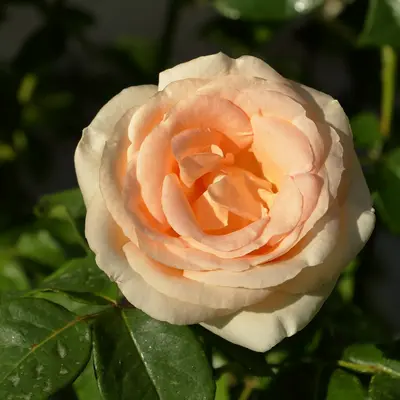
America's most popular landscape rose revolutionized home gardening with its incredible disease resistance and non-stop blooming performance. These cherry-red flowers appear continuously from spring until hard frost without deadheading, while the compact, rounded habit fits perfectly into mixed borders and foundation plantings. Virtually maintenance-free, it's the perfect choice for gardeners wanting beautiful roses without the fuss.
Sun
Full sun
Zones
5–11
USDA hardiness
Height
1-8 feet
Planting Timeline
Showing dates for Shrub Rose - Knockout in USDA Zone 7
All Zone 7 rose →Zone Map
Click a state to update dates
Shrub Rose - Knockout · Zones 5–11
Growing Details
Complete Growing Guide
Knockout roses are best established from nursery-grown plants rather than seeds, as they are a patented hybrid cultivar that doesn't come true from seed. Purchase bare-root or container-grown plants in early spring, around four to six weeks before your last frost date, allowing them time to establish before the heat of summer arrives. If planting in fall, aim for at least six weeks before the first hard frost so roots can develop before winter dormancy.
Space Knockout roses about three to four feet apart to accommodate their mature width of three to four feet, giving them room to reach their full rounded form without crowding. Plant in well-draining soil enriched with compost or aged manure worked into the planting hole. These roses prefer a slightly acidic soil with a pH between 6.0 and 6.5, though they're quite adaptable. Dig a hole slightly wider than the root ball and position the plant so the graft union (the knobby area where the rose was grafted onto rootstock) sits just at or slightly below soil level in colder climates, which protects it during winter.
Water deeply once or twice weekly during the first season to encourage deep root development, then transition to regular watering during dry spells. Knockouts are remarkably drought-tolerant once established, but consistent moisture produces the most vigorous bloom. Feed with a balanced rose fertilizer in early spring when growth begins, then apply a slow-release fertilizer in mid-summer. Avoid heavy nitrogen feeds late in the season, which can stimulate tender growth vulnerable to frost damage.
The Knockout's exceptional disease resistance means you'll rarely battle powdery mildew, black spot, or rose rosette virus that plague other varieties. However, occasionally watch for aphids clustering on new growth and Japanese beetles feeding on foliage in mid-to-late summer. A strong spray from the hose usually dislodges aphids, while hand-picking beetles into soapy water works well for light infestations. Reserve insecticidal soap only for heavy aphid pressure.
Prune Knockout roses in early spring, removing dead wood and cutting back the canes by about one-third their height to maintain the compact, rounded shape. Light deadheading of spent flowers isn't necessary for continued blooms, though tidying up ragged flowers keeps plants looking neat. A second harder pruning in mid-summer can rejuvenate tired plants and encourage fresh flowering into fall.
The most common mistake gardeners make with Knockout roses is overwatering and over-fertilizing in an attempt to maximize blooms. These vigorous plants thrive on benign neglect—excessive water invites root problems, while constant feeding produces more foliage than flowers. Once established, water only during extended dry spells and feed sparingly, allowing the plant's natural vigor to provide the abundant color it's bred to deliver effortlessly.
Harvesting
Knockout roses reach peak harvest readiness when petals display a deep, rich cherry-red hue and feel velvety-soft to the touch, typically at the loose, romantic stage rather than full bloom. Unlike single-harvest roses, this continuous-blooming variety produces flowers throughout the entire season, allowing you to cut stems regularly without depleting next season's growth. For optimal longevity in arrangements, harvest in early morning when stems are fully hydrated, cutting just above a five-leaflet leaf to encourage branching. The flowers' natural disease resistance means stems stay fresher longer in the vase, and consistent cutting actually promotes more prolific flowering, making this variety exceptionally rewarding for frequent harvesting.
The accessory fruit is called a hip and forms after the flowers finish blooming. The hip will appear under the sepals of where the flower was after the flower dies. They will turn from green to red. They are filled with many achenes surrounded by irritating hairs.
Color: Green, Red/Burgundy. Type: Achene. Length: < 1 inch. Width: < 1 inch.
Garden value: Showy
Harvest time: Fall
Edibility: The fruit (called the hip) is edible.
Storage & Preservation
For cut flower arrangements, place stems in cool water (65-70°F) with floral preservative immediately after harvest. Store in a cool location away from direct sunlight and ripening fruit. Cut Knockout roses typically last 5-7 days indoors with proper conditioning.
For extended preservation, dry flowers by hanging stem bundles upside-down in a warm, dark, well-ventilated room (65-75°F) for 2-3 weeks. Dried Knockout blooms retain color well and work beautifully in dried arrangements and potpourri lasting 1-2 years.
Alternatively, press individual petals between newspaper pages weighted with books for 2-3 weeks to create pressed flower material suitable for crafts, bookmarks, and herbal projects. Since Knockouts are not edible, culinary preservation methods don't apply. The petals contain no toxins but are not intended for consumption.
History & Origin
The Knockout rose was developed by Will Radler, a Wisconsin-based rose breeder, and introduced by the Star Roses and Plants company in 2000. Radler's breeding program focused specifically on creating disease-resistant landscape roses that could thrive with minimal maintenance, addressing a gap in the home gardener market. The variety emerged from crosses involving shrub roses and knock-out genetics, though detailed parentage records remain proprietary to the breeding program. Its release marked a significant shift in ornamental rose breeding, prioritizing reliability and continuous bloom over exhibition-quality flowers. The original cherry-red Knockout became so commercially successful that it spawned color sports and complementary varieties, establishing a prominent lineage in modern landscape horticulture.
Origin: Temp. & Subtropical Northern Hemisphere (such as Europe & Asia)
Advantages
- +Blooms continuously from spring until hard frost without deadheading required
- +Extremely disease resistant, rarely affected by common rose diseases
- +Compact rounded habit fits perfectly into mixed borders and foundations
- +Virtually maintenance-free compared to traditional rose varieties
- +Cherry-red flowers provide consistent color throughout the growing season
Considerations
- -Light fragrance may disappoint gardeners seeking strongly scented roses
- -Occasional aphid and Japanese beetle infestations require monitoring and treatment
- -Compact size limits use in large-scale landscape designs or focal points
Companion Plants
Lavender, catmint, and salvia planted within 2–3 feet of Knockout roses pull their weight by attracting predatory wasps and hoverflies that hit aphid populations before they get out of hand. Their strong scents also appear to reduce Japanese beetle feeding, though the effect is inconsistent — don't plant them expecting a force field, plant them because they look good and the pest reduction is a bonus. Marigolds (Tagetes patula specifically) and alliums reinforce this general effect; garlic adds sulfur compounds to the soil that may deter soft-bodied insects, and you get garlic out of the deal regardless. Clematis is a different story — it's not about pest suppression at all. It's about vertical space. A clematis climbing alongside a Knockout fills 6–8 feet of air without putting meaningful root pressure on the rose.
Black walnut is the one to take seriously. Its roots release juglone, a compound that interferes with respiration in sensitive plants — roses included — and the effect extends well beyond the tree's drip line. Large trees more broadly are a problem because Knockout needs 6+ hours of direct sun; shade from a mature canopy will cut bloom production noticeably within a season or two. Skip brassicas nearby too — they're heavy nitrogen feeders that compete in the same top 12 inches of soil, and there's no upside to the pairing.
Plant Together
Lavender
Repels aphids, spider mites, and other rose pests while attracting beneficial pollinators
Marigold
Deters nematodes, aphids, and whiteflies while adding vibrant color contrast
Garlic
Natural fungicide properties help prevent black spot and powdery mildew on roses
Catmint
Repels aphids and ants while attracting beneficial insects and providing drought tolerance
Allium
Strong scent deters aphids, thrips, and Japanese beetles from attacking roses
Clematis
Shares similar growing conditions and provides vertical interest without competing for nutrients
Salvia
Attracts beneficial insects and hummingbirds while providing complementary flower colors
Rosemary
Repels various insects and provides aromatic foliage with similar sun requirements
Keep Apart
Black Walnut Tree
Releases juglone toxin which inhibits rose growth and can cause wilting
Large Trees
Compete for water, nutrients, and sunlight, creating poor air circulation around roses
Brassicas
Heavy feeders that compete for nutrients and may attract pests that also target roses
Pests & Disease Resistance
Resistance
Outstanding resistance to black spot, powdery mildew, and rust
Common Pests
Occasionally aphids or Japanese beetles
Diseases
Extremely disease resistant, rarely affected by common rose diseases
Troubleshooting Shrub Rose - Knockout
What you'll see, why it happens, and what to do about it.
New shoots are elongated, retain bright red coloration longer than normal, and the plant shows excessive thorniness or dense, bushy shoot proliferation
Likely Causes
- Rose Rosette Disease (RRD), caused by Rose rosette virus and spread by the eriophyid mite Phyllocoptes fructiphilus
- Witches'-broom from low-dose glyphosate drift can mimic shoot proliferation — rule that out first
What to Do
- 1.Dig out and bag the entire plant — roots and all — immediately; RRD has no cure and will spread to neighboring roses
- 2.Do not compost the material; dispose of it in the trash
- 3.Control eriophyid mites on nearby roses with a miticide labeled for roses to slow spread
Dark spots with irregular, feathered edges on leaves; leaves yellowing and dropping, starting in the lower canopy
Likely Causes
- Black spot (Diplocarpon rosae) — fungal, splashes up from soil or infected fallen leaves during wet weather
- Overhead watering that extends leaf wetness into morning or evening hours
What to Do
- 1.Strip affected leaves and throw them in the trash, not the compost; clean up any fallen leaves around the base
- 2.Mulch the root zone to stop soil splash — apply 2–3 inches of shredded bark or straw in late winter before new growth starts
- 3.Water at the base only, and water in the morning so foliage dries quickly; NC State Extension's IPM notes specifically flag nighttime leaf wetness as a driver of black spot progression
Clusters of soft, pear-shaped insects on new growth and flower buds; sticky residue on leaves below
Likely Causes
- Aphids (commonly Macrosiphum rosae, the rose aphid) — populations spike fast in spring when new growth is soft
- Broad-spectrum insecticide use nearby that has eliminated ladybugs and parasitic wasps before they could regulate the population
What to Do
- 1.Knock aphids off with a firm spray of water from the hose — effective and free
- 2.If populations persist after 3–4 days, apply insecticidal soap or neem oil, coating the undersides of leaves where aphids cluster
- 3.Lay off broad-spectrum pesticides; ladybugs and parasitic wasps will naturally pull numbers down within a week or two if you give them the chance