Shrub Rose - Flower Carpet Pink
Rosa 'Flower Carpet Pink'
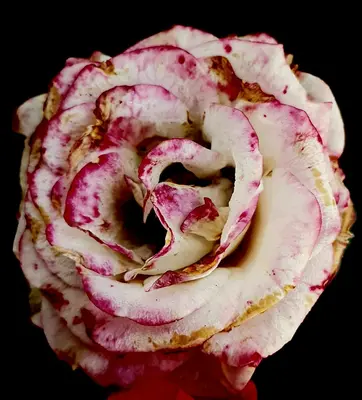
A groundbreaking landscape rose that revolutionized low-maintenance rose growing with its incredible disease resistance and non-stop blooming performance. This compact shrub produces masses of cheerful pink flowers from spring until hard frost with virtually no care required. Perfect for beginners or anyone wanting beautiful roses without the fuss of traditional varieties.
Sun
Full sun
Zones
5–11
USDA hardiness
Height
1-8 feet
Planting Timeline
Showing dates for Shrub Rose - Flower Carpet Pink in USDA Zone 7
All Zone 7 rose →Zone Map
Click a state to update dates
Shrub Rose - Flower Carpet Pink · Zones 5–11
Growing Details
Complete Growing Guide
Flower Carpet Pink is best established from bare-root canes or container plants purchased from a nursery rather than started from seed, as propagating this hybrid rose variety indoors would be impractical for most home gardeners. If you're purchasing bare-root specimens, plant them in early spring as soon as the soil is workable, ideally four to six weeks before your last frost date, which gives them time to establish roots before the growing season accelerates. Container roses can go in the ground anytime after your last frost date through early fall, provided you water them consistently during establishment.
Space plants two to three feet apart, as Flower Carpet Pink is bred to form a dense, spreading mound that fills in quickly. Plant at the same depth as they were growing in their container, keeping the graft union at or just above soil level depending on your climate zone. Prepare the planting area with well-draining soil amended with compost or aged manure; while this variety is exceptionally tough, it performs best with soil that doesn't stay waterlogged. Work amendments into a wide planting hole rather than just amending the backfill, encouraging roots to establish broadly.
Water deeply once weekly during the growing season, more frequently during establishment and in extreme heat, but allow the soil surface to dry slightly between waterings. Once established, Flower Carpet Pink is quite drought-tolerant compared to hybrid teas and floribundas. Feed monthly from late spring through late summer with a balanced rose fertilizer or slow-release formula; this cultivar's continuous blooming habit means it benefits from regular nutrition. Stop feeding in late August to allow plants to harden off before winter.
The disease resistance this variety is famous for means you'll rarely encounter black spot, powdery mildew, or rust that plague traditional roses. However, watch for occasional infestations of aphids and spider mites, particularly during hot, dry spells. Spray these pests with insecticidal soap as soon as you notice them; the dense foliage can harbor mites if ignored. The good news is that Flower Carpet Pink rarely requires fungicide applications, making pest management genuinely simple.
Pruning is minimal. In early spring, remove any winter-damaged canes and lightly trim to maintain shape, cutting back by no more than one-third. Light deadheading of spent flowers encourages continued blooming, though the variety flowers so prolifically that deadheading isn't essential for performance. One critical mistake gardeners make is planting Flower Carpet Pink in shade or part-shade, expecting its low-maintenance reputation to override light requirements. This variety absolutely needs six to eight hours of direct sun daily to produce its signature masses of blooms and maintain disease resistance. Plant it in full sun for best results, and you'll truly understand why it revolutionized landscape rose growing.
Harvesting
Harvest Flower Carpet Pink blooms when petals have fully unfurled and display a rich, saturated pink hue rather than pale or faded tones. The flowers should feel firm to the touch and have a slight waxy texture, indicating peak freshness. Unlike single-bloom roses, this variety produces continuous flushes throughout the season, allowing you to deadhead spent flowers to encourage more blooms rather than harvesting for arrangements. For best results, cut stems early in the morning when stems are fully hydrated, selecting blooms that have just opened but haven't yet begun to show prominent stamens, which signals the flower is entering decline.
The accessory fruit is called a hip and forms after the flowers finish blooming. The hip will appear under the sepals of where the flower was after the flower dies. They will turn from green to red. They are filled with many achenes surrounded by irritating hairs.
Color: Green, Red/Burgundy. Type: Achene. Length: < 1 inch. Width: < 1 inch.
Garden value: Showy
Harvest time: Fall
Edibility: The fruit (called the hip) is edible.
Storage & Preservation
Flower Carpet Pink roses are ornamental flowers best enjoyed fresh. Keep cut stems in cool water (65-72°F) in a cool location away from direct sunlight and ripening fruit. Change water every 2-3 days and recut stems at an angle. Shelf life is typically 7-14 days depending on conditions. Preservation methods: air-dry bunches upside-down in a dark, well-ventilated space for dried arrangements; press flowers between paper layers for crafts; or preserve in silica gel for 3-7 days to maintain shape and color.
History & Origin
Flower Carpet Pink emerged from the German breeding program of W. Kordes' Söhne in the 1980s as part of their groundbreaking Flower Carpet series, which fundamentally transformed landscape rose cultivation. Developed to address widespread demand for disease-resistant, low-maintenance roses suitable for mass plantings, this variety represents the culmination of decades of selective breeding focused on vigor and disease tolerance. The Flower Carpet line gained international recognition and numerous horticultural awards throughout the 1990s, establishing itself as a watershed moment in modern rose breeding. While detailed parentage records remain proprietary to the Kordes company, the series is celebrated as a turning point in making reliable, carefree roses accessible to home gardeners and professional landscapers alike.
Origin: Temp. & Subtropical Northern Hemisphere (such as Europe & Asia)
Advantages
- +Blooms continuously from spring until hard frost with minimal maintenance required
- +Virtually disease-free performance makes it ideal for beginner gardeners and landscapes
- +Compact shrub size works well as groundcover or low border plantings
- +Light pleasant fragrance combined with cheerful pink flower masses
- +Occasional aphid or spider mite issues are easily managed with basic care
Considerations
- -Light fragrance may disappoint gardeners seeking deeply scented traditional roses
- -Requires occasional pest monitoring for aphids and spider mites despite hardy nature
- -May struggle in extremely hot, dry climates without supplemental watering
- -Compact growth habit limits use in designs requiring taller rose specimens
Companion Plants
Lavender and catmint bloom on roughly the same schedule as Flower Carpet Pink, and both pull in predatory wasps and hoverflies that keep aphid counts from building — useful since this rose can attract the occasional aphid flush in May. Garlic and alliums planted at the base offer a real deterrent effect through organosulfur compounds that discourage soft-bodied insects, and in our zone 7 Georgia gardens they're already pushing green by the time the rose breaks dormancy in March. Skip impatiens entirely — they need constant overhead moisture and shallow, perpetually damp soil at the crown is exactly what invites the fungal problems you're otherwise working to prevent on this plant.
Plant Together
Lavender
Repels aphids, spider mites, and other rose pests while attracting beneficial pollinators
Marigold
Deters nematodes, aphids, and whiteflies that commonly attack roses
Garlic
Natural fungicide properties help prevent black spot and powdery mildew on roses
Catmint
Repels aphids and ants while attracting beneficial insects and providing complementary blue flowers
Allium
Strong scent deters aphids, thrips, and Japanese beetles that damage rose foliage
Clematis
Shares similar growing conditions and provides vertical interest without competing for nutrients
Parsley
Attracts beneficial insects like hoverflies that prey on aphids and other rose pests
Rosemary
Repels spider mites and aphids while providing aromatic foliage contrast
Keep Apart
Black Walnut
Produces juglone toxin that causes stunted growth and yellowing in roses
Large Trees
Create excessive shade and compete for water and nutrients, reducing rose bloom production
Impatiens
Susceptible to similar fungal diseases that can spread to roses in humid conditions
Pests & Disease Resistance
Resistance
Outstanding resistance to black spot, powdery mildew, rust, and downy mildew
Common Pests
Occasionally aphids and spider mites
Diseases
Virtually disease-free in most climates
Troubleshooting Shrub Rose - Flower Carpet Pink
What you'll see, why it happens, and what to do about it.
Dark spots on leaves with irregular, feathered edges; leaves yellowing and dropping, sometimes starting as early as late spring
Likely Causes
- Black spot (Diplocarpon rosae) — a fungal disease that spreads via spore-laden water splash and thrives when foliage stays wet overnight
- Overhead irrigation or rain that extends leaf wetness into morning hours
What to Do
- 1.Strip and bag (don't compost) all affected leaves, then clean up any fallen debris around the base
- 2.Switch to drip irrigation or water at the base only — NC State Extension specifically calls out nighttime leaf wetness as a driver of black spot spread
- 3.Mulch 2–3 inches deep around the shrub in late winter to reduce soil splash; prune for airflow so the canopy dries faster after rain
New shoots are excessively thorny, abnormally elongated, and hold a deep red color well past the juvenile stage; possible bunchy, broom-like shoot proliferation
Likely Causes
- Rose Rosette Disease (RRD), caused by Rose rosette virus and transmitted by the eriophyid mite Phyllocoptes fructiphilus
- Witches'-broom-like proliferation can also appear after low-dose glyphosate drift, so rule that out first if you've sprayed nearby
What to Do
- 1.If RRD is confirmed — excessive thorniness is the surest tell, per NC State Extension — remove and bag the entire plant immediately; there is no cure and the mite moves it to neighboring roses fast
- 2.Don't replant a rose in the same spot without at least a full season gap; check any roses within 10–15 feet for early symptoms every two weeks through summer
- 3.Clear wild multiflora rose (Rosa multiflora) from fence lines and field edges nearby — it's the primary RRD reservoir in the Southeast
Leaf edges browning and curling; fine webbing on the undersides of leaves, especially during hot, dry stretches in July and August
Likely Causes
- Two-spotted spider mite (Tetranychus urticae) — populations explode in dry conditions above 85°F
- Drought-stressed plants with poor air circulation get hit hardest and fastest
What to Do
- 1.Blast the undersides of leaves hard with water three days in a row — it physically dislodges mites and disrupts the lifecycle without any product
- 2.If the infestation is heavy, apply insecticidal soap or neem oil in the early morning when temps are below 85°F to avoid leaf burn
- 3.Stick to the 1-inch-per-week watering schedule through summer dry spells; a plant that's already stressed from drought will draw mite pressure faster than one that isn't