Shrub Rose - Bonica
Rosa 'Bonica'
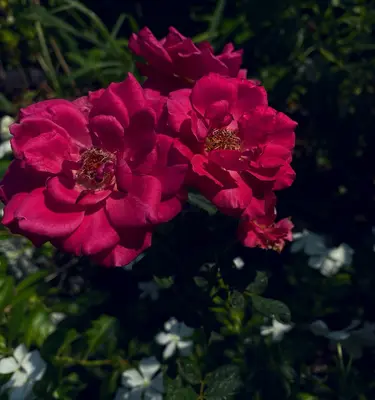
This versatile and extremely hardy shrub rose produces masses of soft pink blooms followed by attractive orange-red hips, providing season-long interest. Bonica is celebrated as one of the most disease-resistant and low-maintenance roses available, making it perfect for beginning gardeners or anyone wanting beautiful roses without intensive care. Its spreading habit and continuous blooming make it excellent for mass plantings, slopes, and mixed borders.
Harvest
60-70d
Days to harvest
Sun
Full sun
Zones
5–11
USDA hardiness
Height
1-8 feet
Planting Timeline
Showing dates for Shrub Rose - Bonica in USDA Zone 7
All Zone 7 rose →Zone Map
Click a state to update dates
Shrub Rose - Bonica · Zones 5–11
Growing Details
Complete Growing Guide
Bonica roses are best started from bare-root canes or container plants rather than seeds, which is the standard for this cultivar. If purchasing bare-root stock, plant in early spring after the last frost date has passed, or in fall in milder climates. Container-grown Bonica roses can be planted throughout the growing season, though spring and early fall establishment allows them time to develop strong root systems before winter dormancy.
When preparing your planting site, choose a location receiving at least six hours of direct sunlight daily for optimal blooming. While Bonica tolerates partial shade, flowering density decreases with insufficient light. Prepare the soil by amending with compost or well-rotted organic matter to improve drainage and fertility. This variety prefers slightly acidic to neutral soil with a pH between 6.0 and 6.5. Space plants three to four feet apart if mass planting for landscape impact, as Bonica's spreading habit naturally fills gaps. Plant at the same depth the rose was growing in its container, ensuring the graft union sits slightly above soil level in colder climates.
Water deeply and regularly during the first season to establish a robust root system, aiming for one to two inches weekly depending on rainfall and temperatures. Once established, Bonica is remarkably drought-tolerant compared to hybrid tea roses, though consistent moisture during flowering encourages continuous blooms. Apply a two to three-inch mulch layer around the base, keeping it several inches away from the canes to prevent rot and disease.
Feed with a balanced rose fertilizer or slow-release formulation monthly from late spring through early autumn. Bonica doesn't require the frequent feeding schedules demanded by finicky hybrid roses, making it ideal for low-maintenance gardeners. Stop fertilizing six weeks before your first expected frost to harden off new growth.
Japanese beetles occasionally target Bonica's foliage, though overall pest pressure remains minimal for this cultivar. Handpick beetles in early morning when they're sluggish, or use pheromone traps away from the plants. Aphids may appear on tender new growth but rarely cause significant damage. The variety's exceptional disease resistance means you'll rarely encounter black spot or powdery mildew, though canker can develop on canes during exceptionally harsh winters with temperature fluctuations.
Pruning is where many gardeners mishandle Bonica. Resist the temptation to prune heavily for shape; instead, remove dead canes and thin congested growth in early spring by removing about one-third of the oldest stems. Light deadheading encourages more flowers, but skipping this chore allows attractive orange-red hips to develop, extending visual interest through fall and winter.
Harvesting
For ornamental enjoyment, Bonica roses reach peak readiness when the blooms transition from tight buds to fully open flowers displaying their characteristic soft pink hue, typically within 3-5 days of opening. The petals should feel silky and pliable rather than papery or brittle. Unlike cut flower varieties harvested at a single stage, Bonica's continuous blooming pattern means you can deadhead spent flowers throughout the growing season to encourage further flushes of bloom, or leave select flowers unpruned to develop the attractive orange-red hips that extend seasonal interest into autumn. For maximum visual impact in mixed borders, harvest or deadhead flowers in early morning when they're fully hydrated, as this maintains petal quality and encourages the next wave of blooms within 2-3 weeks.
The accessory fruit is called a hip and forms after the flowers finish blooming. The hip will appear under the sepals of where the flower was after the flower dies. They will turn from green to red. They are filled with many achenes surrounded by irritating hairs.
Color: Green, Red/Burgundy. Type: Achene. Length: < 1 inch. Width: < 1 inch.
Garden value: Showy
Harvest time: Fall
Edibility: The fruit (called the hip) is edible.
Storage & Preservation
For fresh cut blooms, keep stems in cool water (65-72°F) in a clean vase indoors, changing water every 2-3 days. Blooms last 7-14 days. Remove lower leaves to prevent bacterial growth. For drying, hang bundles upside-down in a dark, well-ventilated space for 2-3 weeks for permanent arrangements. Alternatively, press individual petals between parchment paper under heavy weight for 1-2 weeks for crafts and potpourri. Rose hips can be harvested after first frost and dried whole in low heat (120°F) for herbal use, storing in airtight containers.
History & Origin
Rosa 'Bonica' was developed by the French rose breeder Meilland International and introduced in 1982, marking a significant contribution to modern shrub rose breeding. This variety emerged during an era when breeders were deliberately selecting for disease resistance and low-maintenance characteristics to appeal to home gardeners. Bonica inherited its hardiness and continuous flowering from complex parentage within Meilland's breeding lines, though detailed records of specific parent varieties remain limited in publicly available documentation. The rose quickly gained recognition for combining ornamental appeal with practical garden performance, eventually earning the prestigious ADR (Anerkannte Deutsche Rose) designation in Germany, cementing its reputation as a reliable, disease-resistant garden specimen worldwide.
Origin: Temp. & Subtropical Northern Hemisphere (such as Europe & Asia)
Advantages
- +Produces masses of soft pink blooms continuously throughout the growing season
- +Extremely hardy and disease-resistant, requiring minimal maintenance and care
- +Spreads naturally and works excellently for mass plantings and slope coverage
- +Attractive orange-red hips provide visual interest after flowering ends
- +Perfect for beginning gardeners seeking beautiful roses without intensive pruning
Considerations
- -Japanese beetles and aphids may occasionally infest plants despite overall hardiness
- -Canker disease can develop in harsh winter conditions or poor drainage
- -Spreading habit requires adequate space and may need containment in small gardens
- -Soft pink color may fade in intense heat or direct afternoon sun
Companion Plants
Lavender and catmint are the two most useful neighbors for Bonica. Both bloom on a similar schedule, both draw in predatory wasps and hoverflies that knock back aphid populations before they get out of hand, and neither competes hard for water once established. Most lavender varieties stay under 3 feet, so they're not going to shade out the lower canes the way a sprawling perennial might.
Chives, garlic, and alliums pull their weight at the base of the plant. The claim that their sulfur compounds drive off aphids and Japanese beetles is only loosely supported, but they don't compete with rose roots at that spacing, they're edible, and they fill the gap between the canes without blocking airflow. Marigolds (Tagetes spp.) do something similar — they're not a cure for anything, but they pull beneficial insects into the bed and add a visual layer at the front edge. Parsley is worth tucking in nearby specifically for parasitic wasps, which use it as a nectar source between hunts.
Black walnut (Juglans nigra) is the one to keep at a hard distance. Walnut roots exude juglone, a compound that interferes with cell respiration in susceptible plants, and roses fall into that category. Large shade trees are a separate problem — root competition aside, Bonica needs that full 6+ hours of sun to flower consistently and to hold its disease resistance. Shade doesn't just reduce bloom; it creates the damp, still-air conditions where fungal problems get their start.
Plant Together
Lavender
Repels aphids, moths, and other pests while attracting beneficial pollinators
Marigold
Deters aphids, whiteflies, and nematodes with strong scent
Chives
Repels aphids and Japanese beetles, prevents black spot disease
Garlic
Natural fungicide properties help prevent powdery mildew and black spot
Catmint
Repels ants, aphids, and rodents while attracting beneficial insects
Allium
Strong scent deters aphids, thrips, and other rose pests
Parsley
Attracts beneficial insects like hoverflies that prey on aphids
Clematis
Compatible root systems and provides vertical interest without competition
Keep Apart
Black Walnut
Produces juglone toxin that inhibits rose growth and can cause wilting
Large Trees
Compete for nutrients and water, create excessive shade reducing bloom production
Impatiens
Susceptible to same fungal diseases, can harbor and spread black spot to roses
Pests & Disease Resistance
Resistance
Excellent disease resistance to black spot, mildew, and rust
Common Pests
Japanese beetles, aphids (minimal pest problems overall)
Diseases
Highly disease resistant, occasional canker in harsh conditions
Troubleshooting Shrub Rose - Bonica
What you'll see, why it happens, and what to do about it.
Dark spots with irregular, feathered edges on leaves, followed by yellowing and leaf drop — can start as early as mid-summer
Likely Causes
- Black spot (Diplocarpon rosae) — a fungal disease that overwinters on fallen leaves and infected canes, then splashes up during rain or overhead watering
- Poor air circulation from dense planting or unpruned growth
What to Do
- 1.Rake up and trash all fallen leaves — don't compost them; NC State Extension notes the black spot fungus survives on canes and leaf litter through winter
- 2.Water at the base of the plant only, and water in the morning so leaves dry before nightfall
- 3.In late winter, prune out cane infections, cutting 4–6 inches into clean wood and sanitizing shears between cuts — NC State Extension's sanitizers table lists appropriate disinfectants
- 4.Bonica has solid disease resistance relative to most hybrid teas, so if black spot is still severe, check that spacing is at least 4–5 feet and that the bed gets 6+ hours of direct sun daily
New shoots stay red instead of greening up as they mature, are dramatically more thorny than normal, or the plant throws out dense witch's-broom clusters
Likely Causes
- Rose Rosette Disease (RRD), caused by Rose rosette virus and vectored by the eriophyid mite Phyllocoptes fructiphilus
- Glyphosate drift can mimic shoot proliferation — rule that out first if neighboring areas were recently sprayed
What to Do
- 1.Excessive thorniness — not just a few extra, but dramatically more than the plant's baseline — is the clearest diagnostic sign of RRD according to NC State Extension; paired with red shoot retention, the diagnosis is fairly confident
- 2.There is no cure: dig out the entire plant, roots and all, bag it, and put it in the trash
- 3.Remove nearby wild multiflora rose (Rosa multiflora), which acts as a reservoir for both the virus and the mite vector
Leaves or petals skeletonized down to the midrib, typically appearing in June and July
Likely Causes
- Japanese beetles (Popillia japonica) — adults feed in groups and are most active in warm weather between roughly 10 a.m. and 2 p.m.
- Rose slugs (Endelomyia aethiops) produce similar skeletonizing on leaf undersides, but usually earlier in the season
What to Do
- 1.Hand-pick Japanese beetles into a bucket of soapy water in the early morning when they're sluggish — tedious, but genuinely effective on a planting of 1–5 shrubs
- 2.Skip the Japanese beetle bag traps near your roses; they pull in more beetles than they catch and concentrate the damage
- 3.For rose slugs, check leaf undersides and knock larvae off with a firm spray of water, or apply insecticidal soap if the population is dense