Rainbow Sorbet
Rosa 'Rainbow Sorbet'
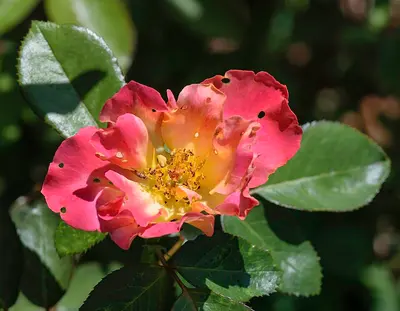
This eye-catching floribunda rose lives up to its name with spectacular striped blooms in shades of pink, coral, and cream. Each flower is unique, creating a constantly changing display throughout the growing season that never fails to draw attention and compliments. Rainbow Sorbet combines exceptional flower power with good disease resistance, making it perfect for both novice and experienced rose gardeners.
Harvest
65-75d
Days to harvest
Sun
Full sun
Zones
5–11
USDA hardiness
Height
1-8 feet
Planting Timeline
Showing dates for Rainbow Sorbet in USDA Zone 7
All Zone 7 rose →Zone Map
Click a state to update dates
Rainbow Sorbet · Zones 5–11
Growing Details
Complete Growing Guide
Rainbow Sorbet roses are best started from bare-root canes or container-grown plants rather than seeds, as they're a grafted hybrid variety that won't come true from seed. Plant bare-root roses in early spring, about two weeks before your last frost date, while the canes are still dormant. If you're purchasing container-grown plants, you can plant them anytime after the last frost through early summer, though spring planting gives them the longest season to establish strong roots before winter stress.
Space Rainbow Sorbet plants three to four feet apart to allow excellent air circulation, which is crucial for this variety's disease resistance. When planting, dig a hole slightly wider than the root ball and position the graft union (the knobby area where the floribunda was grafted onto rootstock) about one to two inches below soil level in northern climates and slightly above ground in warmer zones. Work compost or well-rotted manure into the planting hole, and amend surrounding soil to ensure good drainage, as Rainbow Sorbet performs best in soil that's rich but never waterlogged.
Water deeply at the base of each plant once or twice weekly during the growing season, providing about one inch of water per week through rainfall or irrigation. Water in early morning to keep foliage dry and reduce fungal pressure. Feed with a balanced rose fertilizer every four to six weeks from late spring through mid-August, following package directions carefully. Avoid fertilizing after August, as late feeding can stimulate tender new growth vulnerable to frost damage.
Rainbow Sorbet's striped flowers make it particularly attractive to certain pests, especially Japanese beetles and rose chafers that are drawn to the coral and pink tones. Scout plants weekly from early summer onward and handpick beetles in early morning when they're sluggish. Watch for aphid colonies on new growth and spray with insecticidal soap if populations explode. Spider mites thrive in hot, dry conditions, so consistent watering and occasional overhead misting help deter them. Black spot and powdery mildew can diminish the visual impact of those spectacular striped blooms, so prioritize preventive fungal management through proper spacing and morning watering.
Prune Rainbow Sorbet in early spring once forsythia blooms, removing dead, diseased, or crossing canes and shaping plants to an open vase form. Light deadheading of spent flowers throughout the season encourages continuous blooming and maintains the floribunda's compact, bushy habit. Many gardeners make the mistake of planting Rainbow Sorbet in partial shade, believing afternoon shade will protect the striped flowers from fading. However, this variety needs at least six hours of direct sunlight daily to produce the vibrant color contrast and prolific flowering it's known for. Morning sun exposure also helps dry dew and reduce disease pressure.
Harvesting
Peak readiness for Rainbow Sorbet occurs when the striped petals show full color separation between pink, coral, and cream zones, and the bloom reaches three to four inches across with a slight give when gently squeezed. Harvest in early morning after dew dries but before heat stress, cutting stems at a forty-five-degree angle just above an outward-facing five-leaflet leaf. This variety produces continuously throughout the season rather than in discrete flushes, so deadheading spent blooms immediately encourages prolific reblooming and extends the vase life of newly cut flowers. The unique striping intensifies as blooms mature, so waiting until petals fully unfurl reveals the true variegation that makes this cultivar distinctive.
The accessory fruit is called a hip and forms after the flowers finish blooming. The hip will appear under the sepals of where the flower was after the flower dies. They will turn from green to red. They are filled with many achenes surrounded by irritating hairs.
Color: Green, Red/Burgundy. Type: Achene. Length: < 1 inch. Width: < 1 inch.
Garden value: Showy
Harvest time: Fall
Edibility: The fruit (called the hip) is edible.
Storage & Preservation
Rainbow Sorbet roses are best stored in a cool location away from direct sunlight and ripening fruit. Keep cut flowers in a vase with fresh, cool water (around 65°F) and change water daily—they'll last 7-10 days. For longer preservation, dry blooms by hanging them upside down in a dark, well-ventilated space for 2-3 weeks, or press flowers between heavy books for botanical displays. Alternatively, preserve them using silica gel dessicant for 5-7 days, which maintains color vibrancy exceptionally well for this striped variety.
History & Origin
Rainbow Sorbet is a modern floribunda rose of relatively recent introduction, though detailed breeder documentation and exact origin year remain somewhat obscure in readily available horticultural records. The variety emerged during the contemporary period of intensive rose breeding focused on striped and variegated bloom patterns, a trait that gained significant popularity among home gardeners in the early twenty-first century. Its development likely reflects breeding work by major rose nurseries emphasizing disease resistance alongside ornamental appeal, though the specific breeder's name and official introduction date are not consistently documented across standard rose registries and references.
Origin: Temp. & Subtropical Northern Hemisphere (such as Europe & Asia)
Advantages
- +Unique striped blooms in pink, coral, and cream create stunning visual appeal
- +Good disease resistance makes Rainbow Sorbet easier to maintain than many roses
- +Floribunda type produces abundant flowers throughout the growing season reliably
- +Light, sweet fragrance adds pleasant sensory dimension to garden displays
- +Easy to moderate difficulty level suits both beginner and experienced gardeners
Considerations
- -Susceptible to black spot, powdery mildew, and rust in humid conditions
- -Multiple pest pressures including aphids, spider mites, and Japanese beetles require monitoring
- -Striped bloom pattern can be less stable in extreme heat or cold
Companion Plants
Lavender, catmint, and rosemary all pull double duty here — their volatile oils confuse aphids and Japanese beetles trying to locate the rose by scent, and their flowers draw predatory wasps and hoverflies that keep pest populations in check without any effort on your part. Garlic planted 6–8 inches from the base adds another layer of deterrence against aphids and rose chafer. Marigolds (Tagetes species) are worth tucking in at the bed's edge — their roots release thiophene compounds that suppress soil nematodes over a full growing season, which matters more than the above-ground pest benefits people usually cite.
Black walnut (Juglans nigra) is the one to keep well away — it produces juglone, a compound that persists in the soil and will stunt or outright kill Rosa cultivars. Large trees cause a quieter kind of damage: their feeder roots compete aggressively through the top 18 inches of soil, and their canopy eats into the 6+ hours of direct sun Rainbow Sorbet needs to set flowers reliably. Site this rose where it won't be fighting either.
Plant Together
Lavender
Repels aphids, spider mites, and other rose pests while attracting beneficial pollinators
Marigolds
Deters nematodes, aphids, and whiteflies while adding complementary orange colors
Garlic
Natural fungicide properties help prevent black spot and powdery mildew on roses
Catmint
Repels aphids, ants, and rodents while attracting beneficial insects
Alliums
Deter aphids, thrips, and other soft-bodied insects that damage rose foliage
Parsley
Attracts beneficial insects like hoverflies that prey on aphids and other rose pests
Clematis
Provides vertical interest and shares similar soil preferences without competing for nutrients
Rosemary
Repels beetles, moths, and other pests while tolerating similar growing conditions
Keep Apart
Black Walnut
Produces juglone toxin that inhibits rose growth and can cause wilting or death
Large Trees
Compete heavily for water and nutrients while creating excessive shade that reduces blooming
Impatiens
Require frequent watering that can promote fungal diseases in roses
Pests & Disease Resistance
Resistance
Good resistance to black spot and powdery mildew
Common Pests
Aphids, spider mites, Japanese beetles, rose chafer
Diseases
Black spot, powdery mildew, rust
Troubleshooting Rainbow Sorbet
What you'll see, why it happens, and what to do about it.
Dark spots with irregular, feathered edges on leaves, followed by yellowing and heavy leaf drop — often starting in humid weather
Likely Causes
- Black spot (Diplocarpon rosae) — a fungal pathogen that splashes up from soil and infected fallen leaves
- Overhead watering that extends leaf wetness into morning or evening hours
What to Do
- 1.Strip and bag affected leaves — don't compost them
- 2.Water at the base only, and do it early enough that foliage dries before nightfall
- 3.Mulch around the base in late winter to suppress soil-splash transmission, and prune out any cane infections while you're at it
- 4.If Rainbow Sorbet keeps struggling, NC State Extension's IPM for Shrubs in Southeastern US Nursery Production notes that Knock Out roses and the Easy Elegance series carry meaningfully better resistance — worth considering for replanting
New shoots elongated and retaining bright red-purple color well past the juvenile stage, sometimes with excessive thorniness or distorted, stunted foliage
Likely Causes
- Rose rosette disease (Rose rosette virus), vectored by the microscopic eriophyid mite Phyllocoptes fructiphilus
- Witches'-broom proliferation can mimic this, but NC State Extension notes low-dose glyphosate drift causes the same symptom — rule that out before assuming RRD
What to Do
- 1.If you see hyper-thorniness combined with red shoot retention, treat it as RRD — there is no cure
- 2.Remove and bag the entire plant, roots included, as soon as you're confident; leaving it in the ground keeps the mite reservoir active for neighboring roses
- 3.Send a sample to the NC State Plant Disease and Insect Clinic (PDIC) if you're unsure — they look for the eriophyid mite vector alongside the symptom array to confirm the diagnosis
White powdery coating on young leaves and buds, most visible on new growth in late spring or early fall
Likely Causes
- Powdery mildew (Podosphaera pannosa) — thrives when days are warm (70–80°F) and nights turn cool, especially where air circulation is poor
- Overcrowded planting or a site with blocked airflow
What to Do
- 1.Prune to open up the center of the plant — Rainbow Sorbet needs at least 2–2.5 feet of clear space from neighboring plants to breathe
- 2.Apply a sulfur-based fungicide or neem oil at the first sign of coating, before it reaches unopened buds
- 3.Cut back on nitrogen fertilizer in late summer; soft, fast-pushed new growth is exactly what Podosphaera pannosa colonizes first