Queen Elizabeth
Rosa 'Queen Elizabeth'
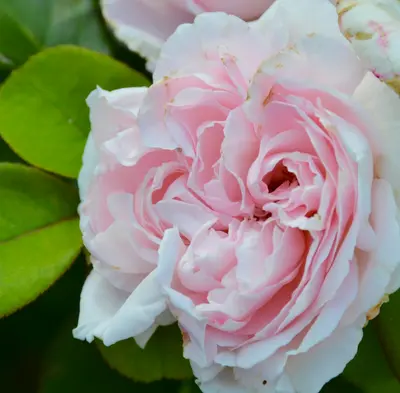
This towering grandiflora rose creates a spectacular backdrop in any garden with its impressive height and continuous display of elegant pink blooms. Known for exceptional disease resistance and vigorous growth, it's perfect for gardeners who want maximum impact with minimal fuss. The long stems make it outstanding for cut flower arrangements.
Harvest
65-75d
Days to harvest
Sun
Full sun
Zones
5–11
USDA hardiness
Height
1-8 feet
Planting Timeline
Showing dates for Queen Elizabeth in USDA Zone 7
All Zone 7 rose →Zone Map
Click a state to update dates
Queen Elizabeth · Zones 5–11
Growing Details
Complete Growing Guide
Queen Elizabeth roses are best started from bare-root canes or container plants rather than seeds, as they are a hybrid and won't come true from seed. Plant bare-root canes in early spring, roughly two weeks before your last expected frost date, as soon as the ground is workable. If you're using container-grown plants, they can go in the ground anytime during the growing season, though spring establishment allows the strongest root development before summer heat arrives. For those in mild climates, fall planting four to six weeks before the first frost also works well.
Space Queen Elizabeth plants at least four feet apart to accommodate their vigorous growth habit and towering stature, which can reach eight feet in favorable conditions. Dig a planting hole slightly wider than the root ball and amend your soil generously with compost or aged manure, as this variety thrives in rich, well-draining soil with a pH between 6.0 and 6.5. The deep root system will appreciate soil that's been worked to at least twelve inches deep. Plant the bud union (the knuckle-like graft point) just at or slightly below soil level, depending on your climate zone.
Water deeply at the base once or twice weekly during the growing season, providing about one inch of water per week through rain or irrigation. Consistent moisture is crucial for continuous blooming, but avoid wetting the foliage, which can invite fungal issues. Feed monthly from spring through late summer with a balanced rose fertilizer, or use a slow-release formula applied in early spring for season-long nutrition. Reduce feeding in late summer to discourage tender new growth before dormancy.
While Queen Elizabeth demonstrates exceptional disease resistance compared to many roses, watch for aphids and spider mites, which can appear on the succulent new growth this vigorous variety produces. A strong spray from the hose often dislodges aphids without chemicals, while miticides may be needed for spider mites during hot, dry spells. Scale insects occasionally colonize the canes; prune out affected stems and apply horticultural oil in late winter. The good news is that this cultivar rarely suffers from black spot, powdery mildew, or rose rosette virus that plague less resilient varieties.
Pruning is essential for Queen Elizabeth, as its natural exuberance can create a leggy, ungainly shrub without guidance. In early spring, cut back by about one-third, removing all dead or damaged wood, then selectively prune throughout the season to maintain shape and encourage branching. Many gardeners make the critical mistake of underestimating this rose's vigor; they plant it too close to other plants or fail to prune adequately, resulting in a monster that shades neighbors and becomes difficult to manage. Be bold with your pruning shears—Queen Elizabeth can handle it and will reward you with denser growth and more blooms at eye level rather than just at the top.
Harvesting
Harvest Queen Elizabeth roses when the petals have deepened to their signature rich pink hue and the bloom has opened to approximately three-quarters full, as the flowers continue opening after cutting. Gently squeeze the stem just below the flower head—it should feel firm but slightly flexible, never mushy or brittle. Unlike single-flush roses, Queen Elizabeth produces continuous blooms throughout the growing season, so deadhead spent flowers regularly to encourage additional flushes rather than waiting for a complete crop. For maximum vase life, cut stems in early morning when hydration levels peak, selecting blooms from vigorous new canes that display the most vibrant color.
The accessory fruit is called a hip and forms after the flowers finish blooming. The hip will appear under the sepals of where the flower was after the flower dies. They will turn from green to red. They are filled with many achenes surrounded by irritating hairs.
Color: Green, Red/Burgundy. Type: Achene. Length: < 1 inch. Width: < 1 inch.
Garden value: Showy
Harvest time: Fall
Edibility: The fruit (called the hip) is edible.
Storage & Preservation
For fresh cut arrangements, store Queen Elizabeth rose stems in a cool location (65-70°F) away from direct sunlight, or refrigerate at 35-40°F with 80-90% humidity to extend vase life to 7-10 days. Keep stems in clean water with flower food. Preservation methods: Hang-dry blooms in a cool, dark, well-ventilated space for 2-3 weeks to create dried roses; press individual petals between paper in heavy books for 3-4 weeks for potpourri or crafts; or freeze fresh petals in ice cube trays with water for decorative uses.
History & Origin
Introduced in 1954 by the German rose breeder Wilhelm Kordes, 'Queen Elizabeth' emerged from a carefully planned breeding program that sought to combine the vigor and continuous blooming of floribunda roses with the larger flowers and longer stems of hybrid teas. The parentage includes 'Charlotte Armstrong' and 'Floradora', resulting in a grandiflora class rose that became an instant classic. Kordes' selection prioritized disease resistance and hardy growth habits, qualities that have made 'Queen Elizabeth' one of the most widely planted roses worldwide for over six decades. Its naming honored the newly crowned British monarch, cementing its place in horticultural history.
Origin: Temp. & Subtropical Northern Hemisphere (such as Europe & Asia)
Advantages
- +Exceptional disease resistance makes it ideal for low-maintenance gardens
- +Impressive height creates dramatic garden backdrops and focal points
- +Continuous pink blooms provide reliable color throughout the growing season
- +Long stems perfect for cutting and professional floral arrangements
- +Vigorous growth habit delivers maximum garden impact with minimal effort
Considerations
- -Tall stature requires staking or support in windy locations
- -Susceptible to aphids and spider mites requiring regular monitoring
- -Light fragrance may disappoint gardeners seeking heavily scented roses
- -Needs adequate spacing to prevent crowding and air circulation issues
Companion Plants
Lavender, catmint, and rosemary are the most useful neighbors for Queen Elizabeth roses — all three push back on aphids and spider mites through aromatic oils, and none of them compete aggressively for water or root space at the 4-5 foot spacing roses need. Garlic and other alliums work on a similar principle and have a practical upside here in zone 7 Georgia: planted at the drip line in fall, they're already established and doing their job by the time rose aphid pressure picks up in April. Marigolds (Tagetes erecta specifically, not the little signet types) also pull beneficial predatory insects into the bed — that's a real effect, not just garden folklore.
Steer clear of Black Walnut (Juglans nigra). It produces juglone, a compound that causes wilting and slow decline in roses — the kind that looks like a disease problem and will have you chasing a diagnosis for weeks before you trace it back to that tree's root zone. Large overstory trees create a different problem: direct competition for water and enough canopy shade to drop Queen Elizabeth below the 6 hours of full sun she needs to set blooms reliably. Impatiens are a softer concern — they want shade and consistently wet soil, which means one of the two plants will be compromised wherever you try to pair them.
Plant Together
Lavender
Repels aphids, spider mites, and other pests while attracting beneficial pollinators
Marigolds
Deters nematodes, aphids, and whiteflies with their strong scent
Garlic
Natural fungicide properties help prevent black spot and powdery mildew
Catmint
Repels aphids, ants, and rodents while attracting beneficial insects
Alliums
Strong sulfur compounds deter aphids, thrips, and other rose pests
Parsley
Attracts beneficial insects like hoverflies that prey on aphids
Clematis
Complementary root systems and climbing habit maximizes garden space
Rosemary
Aromatic oils repel various insects and may help deter deer
Keep Apart
Black Walnut
Produces juglone toxin that causes wilting and stunted growth in roses
Large Trees
Compete for nutrients and water while creating excessive shade
Impatiens
Susceptible to similar fungal diseases that can spread to roses
Pests & Disease Resistance
Resistance
Excellent disease resistance, very hardy
Common Pests
Aphids, spider mites, scale insects
Diseases
Rarely affected by common rose diseases
Troubleshooting Queen Elizabeth
What you'll see, why it happens, and what to do about it.
Dark spots with irregular, feathered edges on leaves; leaves yellowing and dropping, sometimes starting as early as late spring
Likely Causes
- Black spot (Diplocarpon rosae) — a fungal disease that splashes up from soil or infected fallen leaves during rain
- Overhead watering that keeps foliage wet into evening hours
- Poor air circulation from crowded planting
What to Do
- 1.Rake and bag every fallen leaf — do not compost them; the fungus overwinters in debris
- 2.Water at the base only, early in the morning so foliage stays dry by nightfall
- 3.Mulch around the base in late winter to reduce splash transmission, and prune for open airflow — aim for 4-5 feet between plants
- 4.In winter, prune out any cane infections you can identify; cut back to clean wood
New shoots are excessively thorny, show abnormal elongation, and mature leaves hold a juvenile red coloration instead of greening up normally
Likely Causes
- Rose Rosette Disease (RRD), caused by Rose rosette virus and transmitted by the microscopic eriophyid mite (Phyllocoptes fructiphylus)
- Shoot proliferation (witches'-broom) is a secondary indicator, though it can also result from low-dose glyphosate drift nearby
What to Do
- 1.Dig out and bag the entire plant — roots included — and dispose of it in the trash; there is no cure for RRD
- 2.Do not compost any infected material
- 3.Watch surrounding roses closely for the next full season; the eriophyid mite spreads plant-to-plant, especially where plants are touching or within a few feet of each other
Clusters of soft, pear-shaped insects on new buds and shoot tips; buds distorted or failing to open
Likely Causes
- Rose aphid (Macrosiphum rosae) — populations build fast in warm weather on tender new growth
- Absence of natural predators like lady beetles or lacewings, often after a broad-spectrum insecticide application wiped them out
What to Do
- 1.Knock aphids off with a firm stream of water from a hose — repeat for 3 days running to break the cycle before populations rebound
- 2.If they persist, apply insecticidal soap directly to the colonies, coating the undersides of leaves where they cluster
- 3.Cut back on high-nitrogen fertilizer; it pushes the soft, sappy new growth that rose aphids prefer
Fine webbing on leaf undersides; leaves look stippled, bronzed, or gritty, and may drop during hot dry stretches in July–August
Likely Causes
- Two-spotted spider mite (Tetranychus urticae) — thrives above 85°F and often flares after pesticide applications that eliminate predatory mite populations
- Drought stress, which weakens the plant's tolerance of mite feeding
What to Do
- 1.Hit leaf undersides with a strong water spray every 2-3 days — mites dry out fast and don't recover well from physical disruption
- 2.Keep plants at 1 to 1.5 inches of water per week; a drought-stressed Queen Elizabeth gets hit noticeably harder
- 3.For heavy infestations, apply horticultural oil or insecticidal soap; skip broad-spectrum miticides that take out the predatory mites doing free pest control