Peace Rose
Rosa 'Madame A. Meilland'
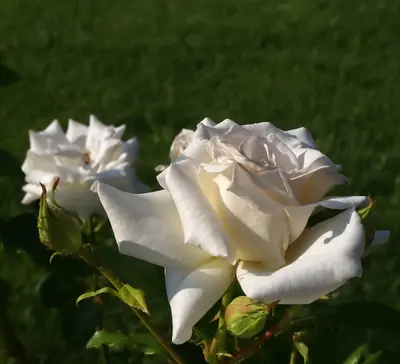
The world's most famous rose, developed during WWII and symbolizing hope and peace with its stunning yellow petals edged in pink. This vigorous hybrid tea produces large, fragrant blooms that change color as they mature, creating a living masterpiece that has inspired gardeners for generations.
Sun
Full sun
Zones
5–11
USDA hardiness
Height
1-8 feet
Planting Timeline
Showing dates for Peace Rose in USDA Zone 7
All Zone 7 rose →Zone Map
Click a state to update dates
Peace Rose · Zones 5–11
Growing Details
Complete Growing Guide
Peace roses demand consistent moisture and excellent air circulation to prevent the powdery mildew and black spot they're particularly susceptible to—ensure 6-8 hours of direct sunlight and space plants widely apart. Unlike many hybrid teas, Peace roses benefit from lighter pruning in early spring rather than severe cutting, which encourages more blooms and maintains their characteristic tall, vigorous growth habit. These roses perform best in slightly acidic, well-draining soil enriched with organic matter, and they respond well to regular feeding during the growing season. Watch for spider mites during hot, dry periods, as Peace roses are especially vulnerable when stressed. A practical tip: deadhead spent blooms regularly to extend flowering throughout the season, and always cut above an outward-facing five-leaflet leaf to promote an open, attractive plant structure that maximizes air circulation and bloom production.
Light: Full sun (6 or more hours of direct sunlight a day). Soil: Clay, Loam (Silt). Soil pH: Acid (<6.0), Neutral (6.0-8.0). Height: 1 ft. 0 in. - 8 ft. 0 in.. Spread: 1 ft. 0 in. - 6 ft. 0 in.. Spacing: Less than 12 inches, 12 inches-3 feet, 3 feet-6 feet, 6-feet-12 feet. Growth rate: Medium. Maintenance: High. Propagation: Grafting.
Harvesting
Peace roses reach peak harvest readiness when the outer petals display their characteristic pink-edged appearance while the inner petals retain creamy yellow, and the bloom feels gently firm rather than papery or overly soft. Cut stems in early morning when stems are fully hydrated, selecting blooms that have just begun to open rather than those in full maturity, as they'll continue developing indoors. This cultivar supports continuous harvesting throughout the growing season when deadheaded regularly, promoting new flushes of blooms rather than a single heavy crop. For longest vase life, cut just above an outward-facing five-leaflet leaf, and ensure each stem is at least twelve inches long to maximize water absorption and display potential.
The accessory fruit is called a hip and forms after the flowers finish blooming. The hip will appear under the sepals of where the flower was after the flower dies. They will turn from green to red. They are filled with many achenes surrounded by irritating hairs.
Color: Green, Red/Burgundy. Type: Achene. Length: < 1 inch. Width: < 1 inch.
Garden value: Showy
Harvest time: Fall
Edibility: The fruit (called the hip) is edible.
Storage & Preservation
Fresh-cut Peace roses last 7-10 days in a clean vase with flower preservative or a homemade solution of 1 teaspoon bleach, 1 teaspoon sugar, and 2 teaspoons lemon juice per quart of water. Recut stems underwater every 2-3 days and change water completely to prevent bacterial buildup.
For drying, harvest blooms at peak color and hang them upside down in small bundles in a dark, well-ventilated area for 2-3 weeks. Dried Peace roses retain their distinctive coloring better than many varieties. You can also preserve petals by air-drying them on screens for potpourri or pressing individual blooms between heavy books for 4-6 weeks. Store dried materials in airtight containers away from light to maintain color and fragrance for up to two years.
History & Origin
Developed by French rose breeder Francis Meilland during World War II, the Peace Rose (Rosa 'Madame A. Meilland') was introduced to the world in 1945, symbolizing hope as the war ended. Meilland created this hybrid tea rose through careful cross-breeding work at his nursery in Antibes, France, combining the vigor and disease resistance of modern hybrids with classic fragrance and beauty. The variety was renamed "Peace" when it arrived in America, honoring the end of global conflict. Its yellow petals edged in pink became iconic, and the rose quickly gained international recognition, winning the prestigious All-America Rose Selection award in 1946 and becoming the most planted rose variety worldwide.
Origin: Temp. & Subtropical Northern Hemisphere (such as Europe & Asia)
Advantages
- +Iconic symbolism and historical significance make Peace Rose emotionally meaningful to gardeners
- +Large, fragrant hybrid tea blooms with stunning yellow-pink color transformation throughout maturity
- +Vigorous growth habit produces abundant flowers reliably across many growing seasons
- +Color-changing petals create dynamic visual interest and memorable garden displays
Considerations
- -Highly susceptible to black spot and powdery mildew in humid climates
- -Requires consistent deadheading and pruning to maintain vigorous blooming and plant shape
- -Demands rich, well-draining soil and regular feeding for peak performance
- -Vulnerable to multiple pest infestations including aphids, thrips, and Japanese beetles
Companion Plants
Garlic and chives are the practical choices close to the cane base. Both release sulfur compounds that appear to deter aphids — which will find your Peace Rose by June regardless — and there's evidence they slow Diplocarpon rosae spread when planted within the drip line. Chives stay shallow enough that they're not pulling from the same moisture the rose needs at depth. Plant them about 12 inches out from the base and let them flower; the bees don't mind, and you get to harvest a handful before they bolt.
Lavender and catmint pull different weight. In zone 7 Georgia, both hit their bloom peak right as Peace Rose sets its first flush, and that overlap draws parasitic wasps and predatory flies that knock back aphid and thrips colonies before they establish. Neither plant will fight the rose for the 1–1.5 inches of weekly water it needs. French marigolds (Tagetes patula specifically, not the big African types) add a root-level benefit: they suppress root-knot nematode populations in the surrounding soil, which matters more in southeast clay than most people expect.
Black walnut is a hard no. Juglone — the allelopathic compound in the roots and decomposing hulls — causes gradual wilting and decline in roses that reads like a disease problem until you trace it back to the tree. Fifty feet of clearance is the minimum. Large shade trees are a subtler issue: Peace Rose needs 6 or more hours of direct sun, and anything that shades it below that threshold suppresses flowering and makes the plant markedly more susceptible to powdery mildew.
Plant Together
Lavender
Repels aphids, spider mites, and other rose pests while attracting beneficial pollinators
Marigold
Deters nematodes, aphids, and whiteflies while adding vibrant color contrast
Garlic
Repels aphids, Japanese beetles, and fungal diseases when planted nearby
Chives
Prevents aphids and black spot disease while improving rose fragrance
Catmint
Repels ants, aphids, and rodents while attracting beneficial insects
Allium
Deters aphids, thrips, and Japanese beetles with strong sulfur compounds
Clematis
Provides vertical interest and shares similar water and nutrient requirements
Parsley
Attracts beneficial insects like hoverflies that prey on aphids
Keep Apart
Black Walnut
Produces juglone toxin that inhibits rose growth and can cause wilting
Large trees
Compete heavily for water, nutrients, and create excessive shade for roses
Brassicas
Attract pests like cabbage worms and compete for similar soil nutrients
Pests & Disease Resistance
Resistance
Moderate resistance, requires regular care program
Common Pests
Aphids, thrips, spider mites, Japanese beetles, scale insects
Diseases
Black spot, powdery mildew, downy mildew, canker
Troubleshooting Peace Rose
What you'll see, why it happens, and what to do about it.
Dark spots with irregular, feathered or fringed edges on leaves, followed by yellowing and leaf drop — often starting by mid-summer
Likely Causes
- Black spot (Diplocarpon rosae) — a fungal disease that spreads via water splash and thrives when leaves stay wet overnight
- Overhead irrigation or rain that extends leaf wetness into morning hours
What to Do
- 1.Strip and bag all affected leaves — don't compost them; the fungus overwinters in fallen debris
- 2.Water at the base of the plant only, early in the day, so foliage dries before evening
- 3.Prune out any cane infections in late winter, then lay 2–3 inches of straw mulch around the base to reduce splash transmission
- 4.If you're replacing this plant or adding nearby roses, NC State Extension's IPM for Shrubs notes that cultivars like 'Knock Out' and 'Carefree Beauty' carry meaningfully better resistance
New shoots with exaggerated thorniness, shoots that stay red and elongated well past the juvenile stage, or odd broom-like shoot proliferation
Likely Causes
- Rose Rosette Disease (Rose rosette virus), transmitted by the microscopic eriophyid mite Phyllocoptes fructiphylus
- Glyphosate drift can mimic the witches'-broom symptom — rule that out first if you've sprayed nearby
What to Do
- 1.There is no cure — if you confirm excessive thorniness plus red elongated shoots together, dig and bag the entire plant (roots and all) and dispose of it in the trash, not the compost
- 2.Do not propagate cuttings from a suspect plant; the virus moves with the tissue
- 3.Control wild multiflora rose (Rosa multiflora) near your garden — it's the primary mite reservoir in the southeast
White powdery coating on young leaves and buds, leaves curling or distorting, most noticeable in spring and again in early fall
Likely Causes
- Powdery mildew (Podosphaera pannosa) — unlike most fungal diseases, this one actually prefers dry conditions with high humidity, common in Georgia's shoulder seasons
- Dense canopy with poor airflow; Peace Rose's large shrub habit (up to 8 feet) can get crowded fast
What to Do
- 1.Prune to open up the center of the bush — aim for a vase shape so air moves through
- 2.Back off high-nitrogen fertilizer in late summer; the soft new growth it pushes is the tissue Podosphaera pannosa hits hardest
- 3.Spray affected tissue with a potassium bicarbonate solution or neem oil, applied early morning so it dries fully before nightfall