New Dawn
Rosa 'New Dawn'
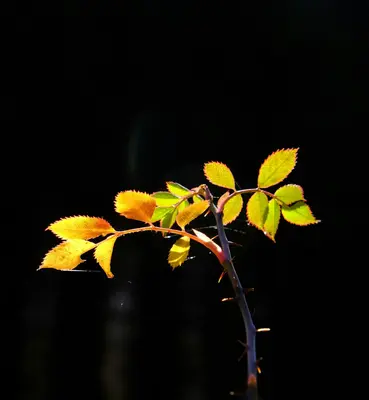
Often called the world's most popular climbing rose, this vigorous climber produces soft pink blooms continuously from spring until frost with remarkable reliability. The first plant ever to receive a patent in the United States, it combines old-fashioned charm with modern repeat-blooming performance. Its disease resistance and cold hardiness make it perfect for covering arbors, fences, and walls in almost any climate.
Harvest
70-80d
Days to harvest
Sun
Full sun
Zones
5–9
USDA hardiness
Height
10-15 feet
Planting Timeline
Showing dates for New Dawn in USDA Zone 7
All Zone 7 rose →Zone Map
Click a state to update dates
New Dawn · Zones 5–9
Growing Details
Complete Growing Guide
Light: Full sun (6 or more hours of direct sunlight a day). Soil: High Organic Matter, Loam (Silt). Soil pH: Acid (<6.0), Neutral (6.0-8.0). Drainage: Good Drainage, Moist. Height: 10 ft. 0 in. - 15 ft. 0 in.. Spread: 6 ft. 0 in. - 8 ft. 0 in.. Spacing: 6-feet-12 feet. Growth rate: Medium. Maintenance: Medium. Regions: Coastal, Mountains, Piedmont.
Harvesting
Large numbers of rose hips produced in fall
Color: Red/Burgundy. Type: Drupe. Length: < 1 inch. Width: < 1 inch.
Storage & Preservation
New Dawn roses are ornamental flowers best enjoyed fresh in cut arrangements. Store cut stems in a cool location (50-65°F) away from direct sunlight, in a vase with fresh water changed every 2-3 days. Cut flowers typically last 7-14 days. For preservation: air-dry stems in bundles hung upside-down in a dark, well-ventilated space for 1-2 weeks to create dried flowers lasting months; press individual blooms between parchment paper under heavy books for 2-3 weeks for botanical keepsakes; or freeze small buds in ice cubes with water for decorative purposes.
History & Origin
Rosa 'New Dawn' is a light pink modern climbing rose cultivar, discovered by Somerset Rose Nursery in New Jersey in 1930. The cultivar is a sport of Rosa 'Dr. W. Van Fleet'. 'New Dawn' was the first plant to be patented. It was patented by H.F. Bosenberg in 1931. 'New Dawn' was voted the most popular rose in the world at the 11th World Convention of Rose Societies in 1997. It is also recognized worldwide as one of the best of the repeating climbing roses. 'New Dawn' is an Earth-Kind rose.
Advantages
- +Attracts: Bees
Companion Plants
Lavender, catmint, and ornamental alliums are the most useful neighbors here. Lavender and catmint both interfere with aphid host-finding through volatile scent compounds, and their low mounding habit keeps air moving around New Dawn's base — a real benefit for a climber that can get dense enough to trap humidity. Alliums reinforce that same deterrent effect and their narrow upright form fits cleanly between canes without shading them out. Marigolds add a layer of nematode suppression at the soil level. Black walnut is the one plant to keep off the property entirely if you're serious about this rose — juglone leaches roughly 50–80 feet from the trunk and is toxic enough to kill established woody plants, not just stress them.
Plant Together
Lavender
Repels aphids, spider mites, and other rose pests while attracting beneficial pollinators
Marigold
Deters nematodes, aphids, and whiteflies while adding bright color contrast
Catmint
Repels ants, aphids, and rodents while attracting beneficial insects
Allium
Natural fungicide properties help prevent black spot and powdery mildew
Clematis
Shares similar growing conditions and creates beautiful vertical layering
Parsley
Attracts beneficial insects like hoverflies that prey on aphids
Geranium
Repels Japanese beetles and other rose pests with strong scent
Thyme
Natural antifungal properties help prevent rose diseases
Keep Apart
Black Walnut
Produces juglone toxin that inhibits rose growth and can cause wilting
Large Trees
Compete for nutrients and water while creating excessive shade for sun-loving roses
Impatiens
Susceptible to same fungal diseases and creates humid conditions promoting black spot
Pests & Disease Resistance
Resistance
Excellent disease resistance and cold hardiness
Common Pests
Generally pest resistant, occasional aphids
Diseases
Highly resistant to all common rose diseases
Troubleshooting New Dawn
What you'll see, why it happens, and what to do about it.
Dark spots with irregular, 'feathered' edges on leaves, followed by yellowing and heavy leaf drop mid-season
Likely Causes
- Black spot (Diplocarpon rosae) — a fungal disease that spreads via water splash and thrives when leaves stay wet overnight
- Overhead evening watering that extends leaf wetness into the next morning
What to Do
- 1.Strip and bag (don't compost) all fallen infected leaves; prune out any cane infections in late winter
- 2.Switch to drip or base watering so foliage stays dry — if overhead irrigation is unavoidable, water in the morning
- 3.Mulch around the base in late winter to cut down on soil splash, and open up the canopy with a hard prune to improve airflow
New canes staying red and elongated well past the juvenile stage, or a sudden increase in thorniness on established canes
Likely Causes
- Rose rosette disease (Rose rosette virus), transmitted by the microscopic eriophyid mite Phyllocoptes fructiphylus
- Witches'-broom proliferation — also an RRD symptom, though low-dose glyphosate drift can produce a nearly identical look
What to Do
- 1.Check for the full cluster: abnormal red retention, hyper-thorniness, and shoot proliferation together point strongly to RRD; a bright yellow oak-leaf mosaic without deformation is the separate, less serious rose mosaic virus and is not cause for removal
- 2.RRD has no cure — dig out and destroy the entire plant promptly, roots included, to limit mite spread to adjacent roses
- 3.If you're unsure, NC State's Plant Disease and Insect Clinic (PDIC) can confirm from a submitted sample before you pull a plant
Frequently Asked Questions
How long does a New Dawn rose plant live?▼
Is New Dawn rose good for beginners?▼
Can you grow New Dawn roses in containers?▼
When should I plant New Dawn roses?▼
What does New Dawn rose fragrance smell like?▼
How do I control aphids on New Dawn roses?▼
Zone-by-Zone Planting Calendar
Growing Guides from Wind River Greens
Sources & References
External authority sources used in compiling this guide.
- ExtensionNC State Extension
See the Methodology page for how this data is sourced, what's AI-assisted, and known limitations.