Ingrid Bergman Rose
Rosa 'Poulman'
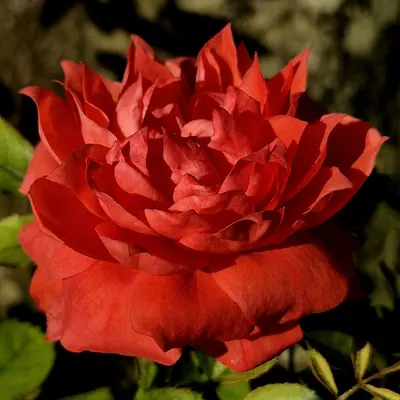
A stunning hybrid tea rose with velvety deep red blooms that maintain their color without fading, named after the legendary actress. This award-winning variety produces perfectly formed flowers on long stems, making it exceptional for cut flowers and formal gardens. The rich, dark red color is considered one of the finest in the rose world.
Sun
Full sun
Zones
5–11
USDA hardiness
Height
1-8 feet
Planting Timeline
Showing dates for Ingrid Bergman Rose in USDA Zone 7
All Zone 7 rose →Zone Map
Click a state to update dates
Ingrid Bergman Rose · Zones 5–11
Growing Details
Complete Growing Guide
The Ingrid Bergman Rose is best started from bare-root canes in early spring, ideally 4-6 weeks before your last frost date. You can also purchase container-grown specimens from nurseries and plant them after the danger of hard frost has passed. Unlike many roses that can be direct sown from seed, this hybrid tea rose is almost always propagated vegetatively, so focus on acquiring quality bare-root or potted plants rather than attempting seed propagation.
Prepare your planting site with rich, well-draining soil amended with organic compost or aged manure. Space plants 24-30 inches apart to ensure good air circulation, which becomes crucial for this variety given its susceptibility to fungal issues. Plant at a depth where the graft union sits about an inch below soil level in cold climates, or at soil level in warmer zones. The deep red blooms that make Ingrid Bergman so prized depend on consistent soil conditions, so incorporate sulfur if your soil tends toward alkalinity.
Water deeply and consistently, providing about one inch per week through rainfall and irrigation. During hot spells, increase frequency but avoid overhead watering, which promotes the black spot fungal disease that particularly troubles this variety in humid regions. Feed with a balanced rose fertilizer every 4-6 weeks once growth begins, switching to lower nitrogen formulas in late summer to encourage hardening off before winter.
Ingrid Bergman's susceptibility to aphids, thrips, spider mites, and Japanese beetles demands vigilant monitoring from bud break onward. Inspect new growth frequently for tiny aphids clustering on stems, and use insecticidal soap at the first sign. Japanese beetles appearing in mid-summer should be hand-picked in early morning hours before they become widespread. The velvety texture of the dark red petals can make thrip damage particularly noticeable, so consider preventive applications of neem oil in early season.
Black spot fungal disease poses the greatest challenge for this variety, especially in humid climates. Space plants well, water at the soil line only, and remove infected foliage immediately. Powdery mildew also appears when air circulation is poor, so prune to open the plant's center each spring. Apply fungicides preventively rather than waiting for visible symptoms.
Pruning is essential for maintaining the long, strong stems that make Ingrid Bergman exceptional for cutting. In spring, cut back to 12-18 inches, removing all dead wood and crossing canes. Remove spent blooms regularly throughout the season to encourage continuous flowering. Many gardeners make the mistake of leaving this rose unpruned, expecting it to flourish, but Ingrid Bergman specifically requires firm annual pruning to produce those perfect, exhibition-quality stems that justify its legendary status.
Harvesting
Harvest Ingrid Bergman roses when the outer petals have unfurled to reveal the deep crimson interior, typically when the bloom reaches two-thirds of its full size with a firm, slightly yielding feel at the base. The velvety petals should display their signature rich red without any browning or papery texture on the outer guard petals. This variety supports continuous harvesting throughout the growing season rather than single-flush picking, encouraging repeat blooming and prolonging productivity. For optimal longevity in arrangements, cut stems early in the morning when hydration is highest, selecting flowers that are fully colored but not yet fully open, as they will continue developing in the vase while maintaining that prized deep red pigmentation.
The accessory fruit is called a hip and forms after the flowers finish blooming. The hip will appear under the sepals of where the flower was after the flower dies. They will turn from green to red. They are filled with many achenes surrounded by irritating hairs.
Color: Green, Red/Burgundy. Type: Achene. Length: < 1 inch. Width: < 1 inch.
Garden value: Showy
Harvest time: Fall
Edibility: The fruit (called the hip) is edible.
Storage & Preservation
For cut Ingrid Bergman roses, store stems in cool water at 3-5°C in a refrigerator rather than at room temperature to extend vase life to 7-10 days. Keep humidity moderate (50-65%) and away from ripening fruit. Preservation methods: (1) Use floral preservative packets containing sugars and biocides to feed blooms and prevent bacterial growth. (2) Mist petals daily with distilled water to maintain velvety texture and color vibrancy. (3) Re-cut stem ends at 45-degree angles every 2-3 days under running water to improve water absorption. Change water every 3-4 days for optimal longevity.
History & Origin
This hybrid tea rose was introduced by the Danish rose breeder Poulsen in 1984, named in tribute to the Swedish-American actress Ingrid Bergman. The variety, officially registered as Rosa 'Poulman', emerged from Poulsen's extensive breeding program, which had long focused on developing roses with exceptional velvety coloration and disease resistance. While detailed parentage records remain limited in public documentation, the cultivar reflects decades of European hybrid tea rose breeding traditions emphasizing deep red pigmentation and formal flower structure. The rose quickly gained international recognition, earning multiple horticultural awards and becoming a standard in both commercial floristry and formal garden design.
Origin: Temp. & Subtropical Northern Hemisphere (such as Europe & Asia)
Advantages
- +Stunning deep red blooms that retain color without fading over time
- +Exceptional for cut flowers with long stems and perfect form
- +Strong fragrance makes it ideal for perfume lovers and gardens
- +Award-winning variety with excellent reputation among rose enthusiasts
- +Named after legendary actress Ingrid Bergman adds romantic appeal
Considerations
- -Susceptible to black spot in humid climates requiring preventive care
- -Requires moderate skill to grow well and maintain plant health
- -Vulnerable to multiple pests including aphids thrips and Japanese beetles
Companion Plants
Garlic and chives pull real weight here. Both contain sulfur compounds that appear to deter aphids, and in our zone 7 Georgia gardens aphid pressure on roses arrives hard by late April — having alliums tucked at the drip line costs almost nothing and doesn't compete for root space with a grafted plant that's already working at depth. Lavender and catmint serve a different function: they attract predatory wasps and lacewings that move through and clean up whatever aphid colonies do establish. Marigolds (Tagetes species specifically, not just any ornamental) have documented nematode-suppressing root exudates — worth planting if your bed has a vegetable history.
Black walnut (Juglans nigra) is the one to keep well away from — the juglone it releases through the soil causes a slow, unexplained decline in roses that's easy to misread as a nutrient problem or root disease for an entire season before you figure it out. Large trees shade out a repeat bloomer that needs 6+ hours of direct sun, and their surface roots will out-compete a rose for water in any dry stretch. Brassicas aren't chemically antagonistic, but they're heavy nitrogen feeders that will quietly drain the same 12–18 inch root zone Ingrid Bergman depends on.
Plant Together
Lavender
Repels aphids, spider mites, and other rose pests while attracting beneficial pollinators
Garlic
Natural fungicide that helps prevent black spot and powdery mildew on roses
Marigolds
Repel nematodes and aphids while adding vibrant color contrast to rose beds
Chives
Deter aphids and Japanese beetles while improving soil health around roses
Clematis
Provides vertical interest and shares similar growing conditions without competing for nutrients
Catmint
Repels ants, aphids, and rodents while attracting beneficial insects
Alliums
Strong scent deters aphids, thrips, and other rose pests naturally
Rosemary
Repels carrot flies and cabbage moths that may damage nearby plantings
Keep Apart
Black Walnut
Releases juglone toxin that inhibits rose growth and can cause wilting
Large Trees
Compete for water, nutrients, and sunlight that roses need for optimal blooming
Brassicas
May attract pests like cabbage worms that can spread to roses and compete for nutrients
Pests & Disease Resistance
Resistance
Good resistance to black spot and powdery mildew
Common Pests
Aphids, thrips, spider mites, Japanese beetles
Diseases
Black spot in humid conditions, powdery mildew, rust
Troubleshooting Ingrid Bergman Rose
What you'll see, why it happens, and what to do about it.
Dark spots with feathered or irregular edges on leaves, followed by yellowing and leaf drop — often showing up by mid-summer
Likely Causes
- Black spot (Diplocarpon rosae) — a fungal disease that thrives in humid conditions and spreads via water splash
- Overhead irrigation or rain that keeps foliage wet into the evening
What to Do
- 1.Strip and bag all affected leaves — don't compost them, the spores survive
- 2.Water at the base of the plant only, early in the morning, so foliage dries before nightfall
- 3.Mulch around the base in late winter to reduce splash-up from infected soil; prune out any cane infections while you're at it
- 4.If black spot keeps winning on this plant, NC State Extension's IPM guidance names 'Carefree Beauty' and the Knock Out series as less-susceptible replacements worth considering
White powdery coating on new growth, buds, and young leaves — usually worst on the most vigorous new shoots
Likely Causes
- Powdery mildew (Podosphaera pannosa) — favored by warm days, cool nights, and poor air circulation
- Planting too close to walls or dense shrubs that block airflow around the canes
What to Do
- 1.Cut out the worst-affected shoots and dispose of them — don't leave them on the ground
- 2.Open up the canopy with a light pruning pass; Ingrid Bergman holds its shape well at 3–4 feet and handles a hard cut
- 3.Space new plants at least 2–3 feet apart and avoid solid walls or wood fences on the south side that trap warm, humid air
New canes growing excessively long with a bright red tint that doesn't fade, abnormal thorniness, or a tight cluster of distorted shoots (witches'-broom)
Likely Causes
- Rose rosette disease (Rose rosette virus), transmitted by the eriophyid mite Phyllocoptes fructiphilus
- NC State Extension identifies excessive thorniness as a near-certain indicator of RRD, though not every infected plant shows it — abnormal red shoot retention is the earlier, subtler sign
What to Do
- 1.There is no cure — remove and destroy the entire plant, roots included, as soon as you're confident
- 2.Bag the material and put it in the trash; do not chip or compost it
- 3.Scout any roses within 10–15 feet, and check for wild multiflora rose (Rosa multiflora) along fence lines nearby — it's the primary reservoir that keeps the mite population going
Leaves look stippled or bronze, with fine webbing on the undersides; buds streaked or browned at the petal edges; open flowers skeletonized from late June onward
Likely Causes
- Two-spotted spider mites (Tetranychus urticae) — populations explode in dry stretches above 85°F
- Thrips (Frankliniella occidentalis) feeding inside buds before they open
- Japanese beetles working the flowers and upper leaves, typically late June through August
What to Do
- 1.For spider mites: hit the undersides of leaves with a hard jet of water every 2–3 days for a week — physical disruption works faster than most sprays at early stages
- 2.For thrips: remove and bag damaged buds; insecticidal soap applied directly at dusk can reduce populations, though thrips tucked inside closed buds are hard to reach
- 3.For Japanese beetles: hand-pick in the early morning when they're sluggish and drop them into soapy water — skip the bag traps, which draw in more beetles from neighboring yards than they capture