Hybrid Tea Rose - Olympiad
Rosa 'Olympiad'
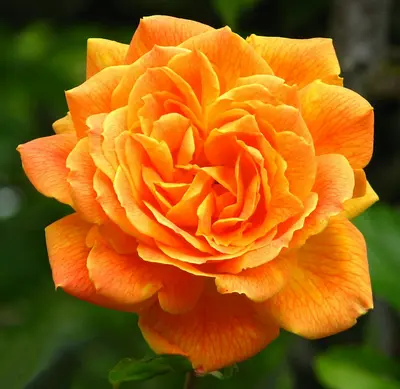
A stunning award-winning hybrid tea rose that produces brilliant red blooms with exceptional form and substance. Named to honor the 1984 Olympics, this variety combines classic hybrid tea elegance with outstanding disease resistance and vigorous growth. The long-stemmed flowers are perfect for cutting and maintain their vibrant color without fading in heat.
Sun
Full sun
Zones
5–11
USDA hardiness
Height
1-8 feet
Planting Timeline
Showing dates for Hybrid Tea Rose - Olympiad in USDA Zone 7
All Zone 7 rose →Zone Map
Click a state to update dates
Hybrid Tea Rose - Olympiad · Zones 5–11
Growing Details
Complete Growing Guide
Olympiad roses are best started from bare-root canes in early spring, roughly two to three weeks before your last frost date, or in fall during dormancy. Unlike starting from seed, which takes years to produce flowering plants, purchasing certified bare-root stock ensures you get the superior genetics and immediate blooming potential this award-winning variety offers. Container-grown plants can be planted year-round, but spring and fall planting gives roots time to establish before extreme temperatures arrive.
Prepare planting sites with generous spacing of three to four feet apart, allowing Olympiad's vigorous growth habit and naturally spreading form room to develop without crowding. Dig holes slightly wider than the root system and amend native soil with two to three inches of compost mixed throughout. Olympiad thrives in well-draining soil with a pH between 6.0 and 6.5; if your soil leans alkaline, incorporate sulfur to lower pH. Position the bud union at or slightly above ground level in cold climates and one to two inches below in hot regions where extra protection helps prevent sunscald.
Water deeply and consistently, providing one to one and a half inches per week through drip irrigation or soaker hoses rather than overhead watering, which promotes fungal issues on the foliage. During heat waves, check moisture daily since Olympiad's vigorous growth demands consistent hydration. Begin feeding in early spring once new growth emerges, applying a balanced rose fertilizer every four to six weeks through August, then cease feeding to allow hardening before frost. Reduce watering frequency in fall and winter when the plant enters dormancy.
Olympiad's exceptional disease resistance means downy mildew rarely occurs except in consistently humid conditions; should it appear as white fuzz on leaf undersides, improve air circulation and reduce overhead moisture immediately. However, this variety remains susceptible to typical rose pests, particularly aphids clustering on new growth and thrips hiding in closed buds during hot weather. Spider mites thrive in hot, dusty conditions and can decimate foliage rapidly. Scout weekly and spray infested plants with horticultural oil or insecticidal soap at the first sign of damage. Japanese beetles may appear in mid-to-late summer; handpick during cool morning hours when beetles move slowly, dropping them into soapy water.
Pruning represents the most critical technique for maintaining Olympiad's performance. In spring, remove all dead wood and weak canes, then cut remaining canes back by one-third, favoring outward-facing buds. Remove crossing branches and open the center for light penetration. Deadhead spent blooms regularly throughout the season, cutting back to an outward-facing five-leaflet leaf, which stimulates continuous flowering on this prolific bloomer.
Many gardeners overwater established Olympiad roses, leading to root rot and fungal diseases. This variety evolved for heat tolerance and actually prefers drier periods between waterings, so resist the urge to keep soil constantly moist.
Harvesting
Harvest Olympiad roses when the outer petals have just begun to unfurl but the bloom remains firm to the touch, typically when the bud reaches two-thirds of its full size with that characteristic brilliant red fully developed. The petals should feel slightly papery rather than soft, indicating the flower has adequate substance for vase life. Unlike single-flush varieties, Olympiad produces continuous blooms throughout the season, so deadhead spent flowers promptly to encourage repeat flowering. For optimal results, cut stems in early morning when water content is highest, selecting canes with at least two sets of leaves remaining to support future growth and ensure the rose maintains its vibrant color without fading even after several days indoors.
The accessory fruit is called a hip and forms after the flowers finish blooming. The hip will appear under the sepals of where the flower was after the flower dies. They will turn from green to red. They are filled with many achenes surrounded by irritating hairs.
Color: Green, Red/Burgundy. Type: Achene. Length: < 1 inch. Width: < 1 inch.
Garden value: Showy
Harvest time: Fall
Edibility: The fruit (called the hip) is edible.
Storage & Preservation
For cut Olympiad roses, place stems in clean water immediately after cutting. Store in a cool location (65-72°F) away from direct sunlight and ripening fruit. Mist foliage lightly to maintain humidity. Fresh blooms typically last 7-14 days with regular water changes. To preserve longer: (1) Use floral preservative in vase water to extend vase life; (2) Air-dry flowers by hanging upside-down in a dark, ventilated space for dried arrangements; (3) Press blooms between parchment paper for botanical keepsakes and crafts.
History & Origin
The Olympiad rose was bred by Sam McGredy IV in New Zealand and introduced in 1984 to commemorate the Los Angeles Olympics, reflecting the rose's association with athletic excellence and international celebration. McGredy, a renowned hybridizer from a distinguished rose-breeding family, developed this variety during the height of his career when he was actively creating award-winning cultivars combining disease resistance with ornamental quality. The parentage traces to McGredy's established breeding lines focused on vigor and disease tolerance, though specific parent varieties remain less documented in widely available sources. The cultivar quickly gained recognition within the rose-showing community and received prestigious awards, cementing its status as a landmark hybrid tea rose of the 1980s.
Origin: Temp. & Subtropical Northern Hemisphere (such as Europe & Asia)
Advantages
- +Brilliant red blooms maintain vibrant color even in intense heat
- +Award-winning variety with exceptional flower form ideal for cut arrangements
- +Outstanding disease resistance combined with vigorous, reliable growth habit
- +Long stems perfect for floral arrangements and professional-quality bouquets
- +Light, sweet fragrance adds delicate appeal to garden displays
Considerations
- -Susceptible to multiple common pests including aphids, thrips, and beetles
- -Moderate difficulty level requires consistent care and proper pruning technique
- -Occasional downy mildew problems emerge in humid or wet conditions
- -Light fragrance intensity may disappoint gardeners seeking strongly scented roses
Companion Plants
Lavender and catmint are the workhorses here — both deter aphids and thrips through volatile oils, and their low, spreading habit shades the soil around the rose's root zone without sending deep competing roots after the same water. Garlic and other alliums do similar duty against Japanese beetles, which hit hard in zone 7 Georgia from late May through July; plant them 6–8 inches out from the cane drip line so they don't crowd the crown. Marigolds (Tagetes spp.) fill gaps attractively and add another layer of pest disruption. Keep brassicas well away — they're heavy feeders that can drag soil pH below 6.0, and Olympiad already wants consistent fertility to push its long-stemmed blooms.
Plant Together
Lavender
Repels aphids, spider mites, and other rose pests while attracting beneficial pollinators
Marigold
Deters nematodes, aphids, and whiteflies while adding vibrant color contrast
Garlic
Natural fungicide properties help prevent black spot and powdery mildew on roses
Catmint
Repels aphids, ants, and rodents while attracting beneficial insects
Alliums
Strong scent deters aphids, thrips, and Japanese beetles from roses
Parsley
Attracts beneficial insects like hoverflies that prey on rose aphids
Clematis
Provides vertical interest and shares similar soil and sun requirements
Rosemary
Aromatic oils repel various rose pests including spider mites and aphids
Keep Apart
Black Walnut
Releases juglone toxin that inhibits rose growth and can cause wilting
Large Trees
Compete for nutrients and water while creating excessive shade for sun-loving roses
Brassicas
Heavy feeders that compete for nutrients and may harbor pests harmful to roses
Pests & Disease Resistance
Resistance
Excellent resistance to black spot, powdery mildew, and rust
Common Pests
Aphids, thrips, spider mites, Japanese beetles
Diseases
Generally disease resistant, occasional downy mildew in humid conditions
Troubleshooting Hybrid Tea Rose - Olympiad
What you'll see, why it happens, and what to do about it.
Dark spots with irregular, feathered edges on leaves; leaves yellowing and dropping, sometimes mid-season
Likely Causes
- Black spot (Diplocarpon rosae) — a fungal disease that splashes up from soil and thrives when leaves stay wet overnight
- Overhead watering in the evening, extending leaf wetness into the morning hours
What to Do
- 1.Strip and trash (don't compost) all infected leaves, then clean up any fallen debris from the soil surface
- 2.Switch to drip irrigation or water at the base only, early in the morning so foliage dries before nightfall
- 3.Mulch around the base in late winter to reduce soil splash; prune to open the center of the plant so air moves through freely
New shoots excessively thorny, elongated, and holding red coloration well past the juvenile stage; canes look distorted or produce tight, bushy clusters
Likely Causes
- Rose Rosette Disease (RRD), caused by Rose rosette virus and spread by the eriophyid mite Phyllocoptes fructiphilus
- Glyphosate drift can mimic the witches'-broom symptom — but NC State Extension notes that extreme thorniness specifically points to RRD, not herbicide damage
What to Do
- 1.Dig out and bag the entire plant — roots and all — and send it to the landfill; do not compost it
- 2.Wait at least one full season before replanting a rose in that spot, and check plants within 10–15 feet for matching symptoms
- 3.There is no cure for RRD; early removal is the only way to keep it from spreading to neighboring plants
Leaves stippled silver or bronze, with fine webbing visible on the undersides; plant looks dull and washed-out during hot, dry stretches
Likely Causes
- Two-spotted spider mites (Tetranychus urticae) — populations spike fast in dry conditions above 85°F
- Drought stress or inconsistent watering that leaves the plant weakened and more susceptible
What to Do
- 1.Knock mites off with a hard spray of water aimed at leaf undersides — do this in the morning so leaves dry before evening
- 2.Hold soil moisture steady at 1–2 inches of water per week; plants under drought stress attract mite pressure much faster
- 3.For heavy infestations, apply insecticidal soap or neem oil to leaf undersides on a 5–7 day interval for 2–3 rounds