Hybrid Tea Rose - Mister Lincoln
Rosa 'Mister Lincoln'
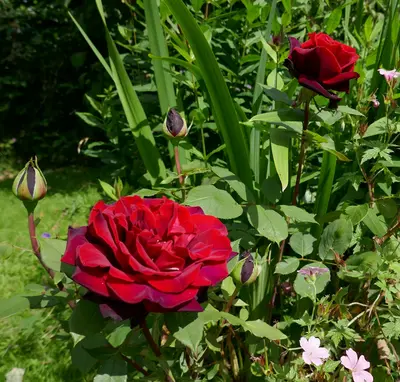
A legendary deep red hybrid tea rose that has captivated gardeners since 1964 with its velvety crimson blooms and intense fragrance. This classic American rose produces large, perfectly formed flowers on long stems, making it ideal for cutting and garden display. Winner of the All-America Rose Selection award, it remains one of the most sought-after red roses for its reliable performance and timeless beauty.
Harvest
60-70d
Days to harvest
Sun
Full sun
Zones
5–9
USDA hardiness
Height
3-6 feet
Planting Timeline
Showing dates for Hybrid Tea Rose - Mister Lincoln in USDA Zone 7
All Zone 7 rose →Zone Map
Click a state to update dates
Hybrid Tea Rose - Mister Lincoln · Zones 5–9
Growing Details
Complete Growing Guide
Mister Lincoln demands excellent air circulation to prevent powdery mildew, a persistent problem with this variety in humid conditions, so space plants at least three feet apart and avoid overhead watering. This cultivar thrives in full sun—minimum six hours daily—which intensifies its signature deep crimson color and fragrance; insufficient light produces weak growth and fewer blooms. Unlike many hybrid teas, Mister Lincoln shows moderate disease resistance but requires consistent deadheading to maintain continuous flowering throughout the season. The variety benefits from heavy pruning in early spring, cutting canes back to 12-18 inches to encourage bushier growth and larger exhibition-quality flowers on longer stems. Apply a thick mulch layer while avoiding direct contact with the base to reduce fungal issues. One practical advantage: this established cultivar responds exceptionally well to regular feeding schedules every 4-6 weeks during growing season, rewarding attentive gardeners with prolific blooms ideal for cutting.
Light: Full sun (6 or more hours of direct sunlight a day). Soil: Clay, High Organic Matter, Loam (Silt), Sand. Soil pH: Acid (<6.0), Neutral (6.0-8.0). Drainage: Good Drainage, Moist. Height: 3 ft. 0 in. - 6 ft. 0 in.. Spread: 2 ft. 0 in. - 3 ft. 0 in.. Spacing: 3 feet-6 feet. Growth rate: Rapid. Maintenance: Medium. Propagation: Stem Cutting. Regions: Coastal, Mountains, Piedmont.
Harvesting
For Mister Lincoln roses, harvest when the outer petals just begin to unfurl and the bloom reaches its full diameter, revealing the deep crimson color without browning at the petal edges. The flower should feel firm but slightly yielding when gently squeezed. Cut stems in early morning when moisture content is highest, using sharp shears to sever just above a five-leaflet leaf node. Mister Lincoln produces continuously throughout the growing season rather than in a single flush, so deadheading spent blooms encourages additional flowering. For longest vase life, harvest at the tight-to-loose bud stage rather than fully open blooms, as mature flowers will fade more quickly indoors.
Insignificant
Storage & Preservation
Fresh cut Mister Lincoln blooms last 7-10 days in a clean vase with commercial rose preservative or homemade solution (1 quart water, 1 tablespoon sugar, 2 tablespoons lemon juice, few drops bleach). Change water every 2-3 days and recut stems. Keep in a cool room (60-65°F) away from fruit and direct sun.
For preservation, dry petals for potpourri by hanging stems upside-down in a dark, airy space for 2-3 weeks, or spread individual petals on paper to dry for 5-7 days. Store dried petals in an airtight container away from light. Fresh petals can be frozen in ice cubes with water for decorative use or infused into simple syrup for culinary garnish. Make rose water by steaming pesticide-free petals and collecting the condensate, or by macerating dried petals in distilled water for 24-48 hours then straining.
History & Origin
Mister Lincoln was introduced in 1964 by Swim and Weeks, prominent American rose breeders, and subsequently became an All-America Rose Selection award winner. The hybrid tea represents the American breeding tradition of developing large-flowered, fragrant roses optimized for cutting gardens and exhibition. While detailed parentage records are not widely documented in standard horticultural references, the variety emerged during the golden age of hybrid tea development in California, where Swim and Weeks were renowned for cultivating deep red roses with exceptional form and fragrance. Mister Lincoln's enduring popularity reflects its successful combination of desirable traits: vigorous growth, reliable blooming, and the classic hybrid tea structure that defined mid-twentieth-century rose breeding objectives.
Origin: United States
Advantages
- +Legendary deep red blooms with intense fragrance attract experienced rose gardeners
- +Large perfectly formed flowers on long stems ideal for cutting arrangements
- +Award-winning All-America Rose Selection winner with proven reliable performance since 1964
- +Velvety crimson petals provide timeless beauty for garden display and exhibitions
Considerations
- -Highly susceptible to black spot and powdery mildew in humid climates
- -Requires consistent pest management for aphids, thrips, spider mites, and beetles
- -Moderate difficulty level demands experienced care and regular pruning maintenance
Companion Plants
Lavender, catmint, and alliums — garlic in particular — are the companions most worth planting near Mister Lincoln. Lavender and catmint pull in predatory wasps and put off aphids through volatile compounds in their foliage, while garlic planted densely at the base has a long track record of suppressing aphid pressure and may slow fungal spread. Marigolds add another layer of pest disruption. Avoid black walnut at any distance within root range — juglone accumulates in the soil and will stunt or kill a rose before you figure out what's wrong — and keep large shade trees far enough back that you're not also fighting the low-airflow conditions that invite powdery mildew.
Plant Together
Lavender
Repels aphids, spider mites, and other rose pests while attracting beneficial pollinators
Marigolds
Deters nematodes, aphids, and whiteflies while adding vibrant color contrast
Catmint
Repels aphids, ants, and rodents while attracting beneficial insects
Alliums
Natural fungicide properties help prevent black spot and powdery mildew
Clematis
Shares similar soil and water requirements while maximizing vertical garden space
Parsley
Attracts beneficial insects like hoverflies and parasitic wasps that control aphids
Garlic
Natural pest deterrent against aphids, spider mites, and Japanese beetles
Rosemary
Repels pest insects and may help improve rose fragrance and health
Keep Apart
Black Walnut
Produces juglone toxin that causes stunted growth and yellowing in roses
Large Trees
Creates excessive shade and competes for nutrients, reducing bloom production
Brassicas
Heavy feeders that compete for nutrients and may inhibit rose growth
Pests & Disease Resistance
Resistance
Moderate resistance to black spot and powdery mildew, requires preventive care
Common Pests
Aphids, thrips, spider mites, Japanese beetles
Diseases
Black spot, powdery mildew, rust, canker
Troubleshooting Hybrid Tea Rose - Mister Lincoln
What you'll see, why it happens, and what to do about it.
Dark spots with irregular, feathered edges appearing on leaves, which then yellow and drop — often starting mid-season after a wet stretch
Likely Causes
- Black spot (Diplocarpon rosae) — a fungal disease that spreads via water splash and thrives when leaves stay wet overnight
- Susceptible cultivar: Mister Lincoln is a hybrid tea, and hybrid teas as a class run higher risk for black spot than shrub roses like Knock Out or Bonica
What to Do
- 1.Water at the base only — never overhead — and water in the morning so the soil surface dries before evening (NC State Extension specifically flags nighttime leaf wetness as a driver)
- 2.Strip and bag infected leaves; do not compost them
- 3.Prune out any cane infections in late winter, then lay 2–3 inches of mulch around the base to cut down on soil splash onto foliage
New shoots elongating fast with leaves that stay red or bronze instead of greening up, sometimes paired with a sudden spike in thorn density or tight, bunched growth at the shoot tips
Likely Causes
- Rose Rosette Disease (Rose rosette virus), carried by the eriophyid mite Phyllocoptes fructiphilus
- Per NC State Extension, excessive thorniness alone is a near-certain indicator; red shoot retention plus witches'-broom together make the diagnosis very confident
What to Do
- 1.No cure exists — dig out the entire plant, roots and all, bag it in plastic, and put it in the trash the same day
- 2.Check any roses growing within 10–15 feet, since Phyllocoptes fructiphilus moves between plants readily on the wind
- 3.Wait at least one full season before replanting a rose in that spot
Frequently Asked Questions
How long does it take Mister Lincoln rose to bloom?▼
Can you grow Mister Lincoln roses in containers?▼
Is Mister Lincoln a good rose for beginners?▼
What is the difference between Mister Lincoln and other red hybrid tea roses?▼
When should I prune Mister Lincoln roses?▼
How often should I spray Mister Lincoln for disease and pests?▼
Zone-by-Zone Planting Calendar
Growing Guides from Wind River Greens
Sources & References
External authority sources used in compiling this guide.
- ExtensionNC State Extension
See the Methodology page for how this data is sourced, what's AI-assisted, and known limitations.