Hybrid Tea Rose - Double Delight
Rosa 'Double Delight'
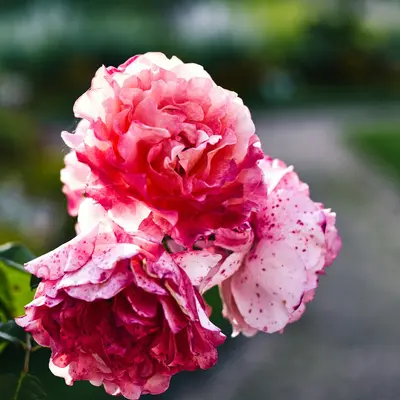
A stunning two-toned rose that captures hearts with its creamy white petals beautifully edged in cherry red. The classic hybrid tea form produces large, fragrant blooms that intensify their red edges as they mature in sunlight. Winner of multiple awards including the All-America Rose Selection, this variety combines exceptional beauty with reliable garden performance.
Sun
Full sun
Zones
5–11
USDA hardiness
Height
1-8 feet
Planting Timeline
Showing dates for Hybrid Tea Rose - Double Delight in USDA Zone 7
All Zone 7 rose →Zone Map
Click a state to update dates
Hybrid Tea Rose - Double Delight · Zones 5–11
Growing Details
Complete Growing Guide
Double Delight roses are best started from bare-root canes or container-grown plants purchased from specialty nurseries rather than from seed, as they are grafted cultivars that won't reproduce true to type. Plant bare-root canes in early spring, about 4-6 weeks before your last frost date, while they're still dormant. If you're planting container roses, you can install them anytime during the growing season, but spring and fall are ideal for establishing strong root systems before summer heat arrives.
Space Double Delight plants 24-36 inches apart to allow excellent air circulation, which is especially important for this variety's susceptibility to fungal diseases. Prepare soil by amending with compost or well-rotted manure, aiming for slightly acidic, well-draining loam with a pH between 6.0 and 6.5. Plant the grafted union about 1-2 inches below soil level in colder climates to protect it from winter damage. The planting hole should be deep enough that roots spread naturally without crowding, typically 12-18 inches deep and equally wide.
Water deeply and consistently, providing about 1-2 inches per week through drip irrigation or soaker hoses rather than overhead watering, which encourages black spot and powdery mildew. During hot summers, Double Delight may need water twice weekly. Feed monthly with a balanced rose fertilizer from spring growth until late summer, following package directions carefully, as over-fertilizing can stress the plant and increase pest pressure.
Black spot and powdery mildew are persistent threats to Double Delight due to its susceptibility, so monitor foliage closely starting in early summer and remove affected leaves immediately. Thrips are particularly problematic for this variety because they hide inside the exquisite double blooms, making thorough weekly inspections essential during flowering season. Spider mites thrive in hot, dry conditions, so maintaining adequate humidity through proper watering helps suppress populations. Japanese beetles may skeletonize leaves in early summer; handpick them into soapy water early morning when they're sluggish.
Prune Double Delight in early spring when forsythia blooms, removing dead or damaged canes and crossing growth to an open vase shape. Cut back by about one-third of the plant's height to encourage vigorous new shoots. During the growing season, deadhead spent flowers just above the first five-leaflet leaf to promote continuous blooming through fall.
The most common mistake gardeners make with Double Delight is neglecting pruning discipline. These hybrid teas demand annual spring pruning and consistent deadheading to produce those signature large, fragrant blooms. Skipping this maintenance results in leggy plants with smaller, less spectacular flowers and reduced red edge coloration that makes this variety special.
Harvesting
Harvest Double Delight roses when the outer petals have fully developed their signature cherry-red edging and the bloom feels firm yet slightly yielding at the base of the stem. The flowers reach peak readiness at the tight-to-loose bloom stage, typically three to five days after the bud begins opening, when the cream-colored interior petals are visible but not fully reflexed. This variety produces continuously throughout the growing season, allowing for regular harvesting rather than single annual cuts. For optimal fragrance intensity and color depth, cut stems in early morning after dew dries, as the red pigmentation strengthens in response to sunlight exposure during the previous day.
The accessory fruit is called a hip and forms after the flowers finish blooming. The hip will appear under the sepals of where the flower was after the flower dies. They will turn from green to red. They are filled with many achenes surrounded by irritating hairs.
Color: Green, Red/Burgundy. Type: Achene. Length: < 1 inch. Width: < 1 inch.
Garden value: Showy
Harvest time: Fall
Edibility: The fruit (called the hip) is edible.
Storage & Preservation
Fresh Double Delight roses should be stored in a cool environment at 35-45°F with 80-90% humidity to extend vase life to 7-10 days. Keep stems in fresh, clean water and remove lower leaves to prevent bacterial growth. For preservation, try air-drying by hanging bundles upside-down in a dark, well-ventilated space for 2-3 weeks to create lasting dried arrangements. Alternatively, pressing blooms between parchment paper in a heavy book preserves their distinctive two-toned appearance for crafts and keepsakes. Glycerin treatment is another option, where stems absorb a glycerin-water solution to maintain suppleness and color intensity.
History & Origin
Double Delight was introduced in 1977 by the renowned American hybridizer Herbert C. Swim and O.L. Weeks Roses in California. This award-winning cultivar emerged from the deliberate crossing of two hybrid tea roses, 'Fragrant Cloud' and 'Garden Party,' combining the former's vibrant coloring and intense fragrance with the latter's elegant form. The variety quickly gained international recognition, earning the All-America Rose Selection award in 1985 and numerous other prestigious honors. Its distinctive two-toned petals—creamy white centers dramatically edged in cherry red—represented a significant achievement in rose breeding, successfully marrying aesthetic appeal with the strong, complex fragrance that serious rose enthusiasts sought.
Origin: Temp. & Subtropical Northern Hemisphere (such as Europe & Asia)
Advantages
- +Distinctive two-toned coloring with cream petals and cherry-red edges appeals universally.
- +Strong sweet fragrance with spicy undertones provides exceptional sensory garden experience.
- +Award-winning variety with proven reliability demonstrates consistent garden performance and recognition.
- +Large classic hybrid tea blooms perfect for cutting and floral arrangements.
Considerations
- -Highly susceptible to black spot fungus requiring regular preventative fungicide applications.
- -Moderate difficulty demands consistent care including pruning, feeding, and pest management.
- -Prone to powdery mildew and rust in humid or poorly ventilated conditions.
- -Attracts multiple pests including aphids, thrips, spider mites, and Japanese beetles.
Companion Plants
Lavender and catmint planted 18–24 inches out from the drip line do double duty — their volatile oils confuse aphids and thrips trying to locate the rose, and their low, open growth doesn't compete for the 6+ hours of sun Double Delight needs to bloom well. Garlic and chives work on a similar principle; the sulfur compounds they release have a mild repellent effect on aphids and Japanese beetles, which show up hard in zone 7 Georgia gardens from late May through July. French marigolds (Tagetes patula) are worth tucking into any open gaps — their root secretions suppress soil nematodes, and they stay short enough not to shade the lower canes.
Keep mint out entirely. It travels by underground runners and becomes impossible to extract once it's woven under a plant you're trying to prune every season. Black walnut (Juglans nigra) is a slower problem — the juglone it leaches into the soil will weaken a grafted rose over a couple of seasons, and you need at least 50–60 feet of separation from the canopy edge to stay clear of it. Large trees generally are a problem for shade and root competition as much as chemistry; Double Delight won't forgive either.
Plant Together
Lavender
Repels aphids, moths, and other rose pests while attracting beneficial pollinators
Marigolds
Deters nematodes, aphids, and whiteflies that commonly attack roses
Garlic
Natural fungicide properties help prevent black spot and powdery mildew on roses
Catmint
Repels aphids and ants while providing ground cover that retains soil moisture
Alliums
Strong scent deters aphids, thrips, and other soft-bodied insects
Clematis
Provides vertical interest and shares similar soil and watering requirements
Parsley
Attracts beneficial insects like hoverflies that prey on aphids
Chives
Helps prevent black spot disease and repels aphids with sulfur compounds
Keep Apart
Black Walnut Tree
Produces juglone toxin that inhibits rose growth and can cause wilting
Large Trees
Creates excessive shade and competes for nutrients, reducing rose blooming
Mint
Aggressive spreading nature competes for nutrients and can overwhelm rose root system
Pests & Disease Resistance
Resistance
Moderate resistance to black spot and powdery mildew
Common Pests
Aphids, thrips, spider mites, Japanese beetles
Diseases
Black spot, powdery mildew, rust, canker
Troubleshooting Hybrid Tea Rose - Double Delight
What you'll see, why it happens, and what to do about it.
Dark spots with ragged, feathered edges on leaves; leaves yellowing and dropping, sometimes starting as early as late spring
Likely Causes
- Black spot (Diplocarpon rosae) — a fungal disease that splashes up from infected soil or fallen leaves during rain
- Overhead watering that keeps foliage wet into the evening hours
What to Do
- 1.Strip and trash (don't compost) all affected leaves, then clean up any fallen debris around the base
- 2.Mulch around the plant in late winter to reduce splash transmission, and water only at the soil level — never overhead
- 3.Prune out any infected canes in winter; thin the interior of the bush so it dries out faster after rain — NC State Extension's IPM guidance specifically calls this out for susceptible cultivars like Double Delight
New canes with far more thorns than usual, or elongated shoots that stay red instead of greening up as they mature
Likely Causes
- Rose rosette disease (Rose rosette virus), transmitted by the microscopic eriophyid mite Phyllocoptes fructiphilus
- Shoot proliferation (witches'-broom) can accompany it — though NC State Extension notes this symptom can also follow low-dose glyphosate drift, so check for herbicide exposure nearby
What to Do
- 1.Excessive thorniness on new growth is the clearest diagnostic sign per NC State Extension — if you see it alongside red shoot retention, assume RRD
- 2.There is no cure; dig out and bag the entire plant (roots included) immediately to prevent mite spread to neighboring roses
- 3.Do not replant a rose in that spot for at least one full season, and control any nearby wild multiflora rose (Rosa multiflora), which acts as a reservoir for the virus
Stippled or bronzed foliage with tiny moving specks on leaf undersides, or petals with silver streaking and brown-edged tissue
Likely Causes
- Spider mites (Tetranychus urticae) — populations explode in hot, dry conditions above 85°F
- Thrips (Frankliniella occidentalis) — feed inside buds and on petals, worst during warm dry spells in early summer
What to Do
- 1.For spider mites, blast the undersides of leaves with a hard jet of water every 2–3 days for a week; if populations don't drop, apply insecticidal soap or neem oil in the evening to avoid leaf burn
- 2.For thrips, remove and trash heavily infested buds; deadhead consistently so spent blooms don't become harborage
- 3.Both pests accelerate under drought stress — stick to 1–2 inches of water per week, deep and at the base, through the hottest months