Grandiflora Rose - Queen Elizabeth
Rosa 'Queen Elizabeth'
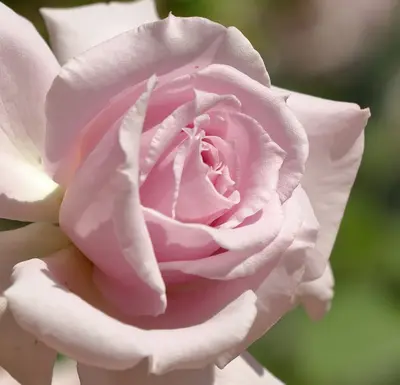
This majestic grandiflora rose combines the best traits of hybrid teas and floribundas, producing elegant pink blooms on exceptionally long stems perfect for cutting. Named after Queen Elizabeth II, this rose has earned its royal status through decades of reliable performance, outstanding disease resistance, and impressive height that creates dramatic garden presence. Its vigorous upright growth and continuous blooming cycle make it a cornerstone variety for serious rose gardeners.
Harvest
65-75d
Days to harvest
Sun
Full sun
Zones
5–11
USDA hardiness
Height
1-8 feet
Planting Timeline
Showing dates for Grandiflora Rose - Queen Elizabeth in USDA Zone 7
All Zone 7 rose →Zone Map
Click a state to update dates
Grandiflora Rose - Queen Elizabeth · Zones 5–11
Growing Details
Complete Growing Guide
The Queen Elizabeth rose thrives when you begin with bare-root canes in early spring, approximately two weeks before your region's last frost date. If you're starting from potted nursery stock, you can plant throughout the growing season, though spring establishment gives the best results. For bare-root canes, soak them in lukewarm water for twelve hours before planting to rehydrate the canes after dormancy. This grandiflora should be planted in a location receiving at least six hours of direct sunlight daily—ideally eight or more—to achieve the vigorous growth and abundant blooming this variety is famous for.
Space plants three to four feet apart to allow air circulation around the tall canes, which typically grow four to eight feet depending on your climate. Plant in well-draining soil enriched with compost or aged manure worked two feet deep, since Queen Elizabeth develops an extensive root system. The planting hole should position the graft union (the knuckle where the rose was grafted onto rootstock) approximately one inch below soil level in cold climates or at soil level in warmer regions. This variety performs best with slightly acidic soil, ideally between 6.0 and 6.5 pH.
Water deeply and regularly throughout the growing season, providing approximately one to two inches weekly depending on rainfall and temperature. Consistent moisture is critical during the first season to establish strong roots. Once established, water at the base rather than overhead to minimize fungal issues, though Queen Elizabeth's exceptional disease resistance means it's far more forgiving than many cultivars. Feed with a balanced rose fertilizer every four to six weeks beginning when new growth emerges in spring and continuing until eight weeks before the first expected frost. This feeding schedule fuels the continuous blooming cycle Queen Elizabeth is prized for.
Monitor regularly for aphids, spider mites, and thrips, which cluster on new growth and flower buds of this variety more readily than on some competitors. Inspect weekly and treat infestations promptly with insecticidal soap or neem oil to protect the exceptional cut flowers. While rust occasionally appears during extended humid periods, Queen Elizabeth rarely suffers from serious disease pressure—a major reason gardeners favor it.
Pruning is essential to maintain this rose's shape and vigor. In early spring, remove all dead canes and cut remaining canes back by one-third their height. Throughout the season, deadhead spent flowers just above an outward-facing five-leaflet leaf to encourage continuous blooming. Hard pruning in late winter rejuvenates older plants. One critical mistake many gardeners make is allowing Queen Elizabeth to become crowded and leggy. This variety needs space and air movement to perform at its best, and crowding invites pest issues. Proper spacing and annual pruning maintain the dramatic upright form that makes this rose such a commanding garden presence.
Harvesting
Queen Elizabeth roses reach peak harvest readiness when the outer petals just begin to unfurl from the tight bud stage, revealing the characteristic pink color while maintaining firmness to the touch. Unlike single-harvest roses, this cultivar's continuous blooming cycle means you can harvest regularly throughout the season by cutting stems in early morning when stems are fully hydrated and turgid. The ideal stem length for cutting is 12-18 inches, selecting only those with at least three sets of leaves below the cut to encourage vigorous regrowth. A critical timing tip: harvest when the outer petals show slight color but before the bloom fully opens, as Queen Elizabeth blooms develop rapidly and will continue opening in the vase, extending your arrangement's lifespan.
The accessory fruit is called a hip and forms after the flowers finish blooming. The hip will appear under the sepals of where the flower was after the flower dies. They will turn from green to red. They are filled with many achenes surrounded by irritating hairs.
Color: Green, Red/Burgundy. Type: Achene. Length: < 1 inch. Width: < 1 inch.
Garden value: Showy
Harvest time: Fall
Edibility: The fruit (called the hip) is edible.
Storage & Preservation
For fresh Queen Elizabeth roses, cut stems in early morning and immediately place in room-temperature water with floral preservative. Store in a cool location (65-70°F) away from direct sunlight, maintaining 50-60% humidity. Shelf life is 10-14 days with daily water changes. Preservation methods: (1) Glycerin treatment—submerge stems in 1:1 glycerin-water solution for 2-3 weeks to create long-lasting dried flowers; (2) Air drying—hang upside-down in dark, well-ventilated spaces for 2-3 weeks; (3) Silica gel drying—bury blooms in silica gel for 5-7 days for shape retention.
History & Origin
The Queen Elizabeth rose was introduced in 1954 by the renowned American rose breeder Walter Lammerts, marking the first official grandiflora classification in rose breeding. Lammerts created this variety by crossing the hybrid tea 'Charlotte Armstrong' with the floribunda 'Floradora', deliberately combining the elegant form and stem length of hybrid teas with the prolific flowering habit of floribundas. Named to honor the coronation of Queen Elizabeth II, the variety gained international recognition and the prestigious All-America Rose Selection award in 1955. Its immediate success established the grandiflora class as a distinct horticultural category, fundamentally reshaping modern rose breeding programs and garden design preferences for decades to come.
Origin: Temp. & Subtropical Northern Hemisphere (such as Europe & Asia)
Advantages
- +Elegant pink blooms on exceptionally long stems ideal for cutting arrangements
- +Combines best traits of hybrid teas and floribundas in one plant
- +Vigorous upright growth creates dramatic, majestic garden presence and structure
- +Outstanding disease resistance with only occasional rust in humid conditions
- +Continuous blooming cycle provides reliable flowers throughout growing season
Considerations
- -Susceptible to common rose pests including aphids, spider mites, and thrips
- -Requires moderate care and expertise for optimal growth and blooming
- -Tall upright habit may require staking or support in windy locations
Companion Plants
Lavender, catmint, and alliums — garlic, chives, and ornamental Allium — are the most useful companions here. Lavender and catmint attract predatory wasps and confuse aphids through scent, and both stay short enough that they don't shade out the lower canes. Neither one needs the heavy watering Queen Elizabeth does, so they coexist without competing for resources. Garlic and chives sit at 6–8 inches and pull double duty against aphids and Japanese beetles; the evidence is mixed, but they take up almost no space and don't draw the same pests, so there's nothing to lose. Marigolds (Tagetes spp.) work in the same niche — low, non-competitive, and useful as a lure crop that draws aphids away from the roses.
Black walnut is the one to keep well off the property: its roots release juglone, a compound that interferes with cellular respiration in roses — and the damage radius runs wider than most people expect. Large trees shade out the 6+ hours of direct sun Queen Elizabeth needs to set buds reliably. Brassicas are a subtler problem: they're nutrient-hungry enough to strip the topsoil around shallow feeder roots, and they attract the same aphid species already gunning for your roses. Keep them in a completely separate bed.
Plant Together
Lavender
Repels aphids, spider mites, and other rose pests while attracting beneficial pollinators
Marigold
Deters nematodes, aphids, and whiteflies while adding vibrant color contrast
Garlic
Natural fungicide properties help prevent black spot and powdery mildew on roses
Catmint
Repels aphids and ants while attracting beneficial insects and complementing rose blooms
Allium
Strong scent deters aphids, thrips, and other soft-bodied insects that damage roses
Clematis
Provides vertical interest and blooms at different times, maximizing garden color
Parsley
Attracts beneficial insects like hoverflies that prey on aphids and other rose pests
Chives
Natural aphid deterrent and may help improve rose fragrance and disease resistance
Keep Apart
Black Walnut
Releases juglone toxin that inhibits rose growth and can cause wilting or death
Large Trees
Compete for nutrients and water while creating too much shade for optimal rose growth
Brassicas
Heavy feeders that compete for nutrients and may stunt rose growth and flowering
Pests & Disease Resistance
Resistance
Excellent disease resistance, particularly to black spot and mildew
Common Pests
Aphids, spider mites, thrips, Japanese beetles
Diseases
Very disease resistant, occasional rust in humid conditions
Troubleshooting Grandiflora Rose - Queen Elizabeth
What you'll see, why it happens, and what to do about it.
Dark spots on leaves with irregular, feathered edges — leaves yellowing and dropping, sometimes starting mid-summer
Likely Causes
- Black spot (Diplocarpon rosae) — fungal, spreads via water splash and prolonged leaf wetness
- Watering overhead in the evening, leaving foliage wet overnight
What to Do
- 1.Strip and trash (don't compost) all affected leaves; clean up any fallen leaves around the base
- 2.Mulch heavily around the root zone in late winter to reduce splash transmission from soil
- 3.Switch to drip or base watering only — NC State Extension's IPM guidance specifically flags nighttime leaf wetness as a driver of this disease
New shoots are unusually elongated, leaves stay red instead of greening up, or canes develop excessive thorniness
Likely Causes
- Rose Rosette Disease (Rose rosette virus), transmitted by the eriophyid mite Phyllocoptes fructiphylus
- Witches'-broom (shoot proliferation) can also appear — NC State Extension notes this symptom overlaps with low-dose glyphosate drift, so rule that out before pulling the plant
What to Do
- 1.If red juvenile coloration persists on mature leaves alongside excess thorns, remove and bag the entire plant — there is no cure
- 2.Dispose of removed canes and roots in the trash, not the compost
- 3.Monitor neighboring roses within 10–15 feet for a full season; the mite vector moves between plants readily
Leaves stippled, bronzed, or webbed — worst in hot dry spells, typically July through August
Likely Causes
- Two-spotted spider mite (Tetranychus urticae) — populations explode when temperatures stay above 85°F and humidity is low
- Thrips (Frankliniella occidentalis) can cause similar silvery stippling, especially on petals and young foliage
What to Do
- 1.Knock mites off with a firm spray of water — repeat every 3 days for two weeks; that alone breaks the cycle in mild infestations
- 2.For heavier pressure, apply insecticidal soap or neem oil in the evening so it doesn't burn foliage in full sun
- 3.Avoid broad-spectrum pesticides that wipe out predatory mites, which keep Tetranychus populations in check naturally