Gertrude Jekyll English Rose
Rosa 'Gertrude Jekyll'
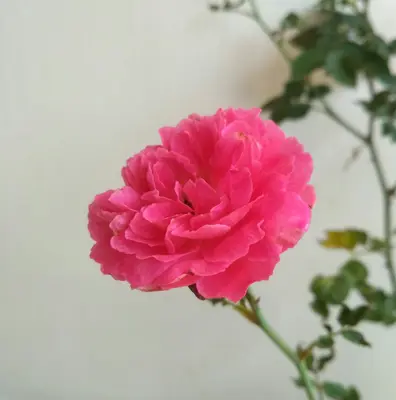
Named after the famous English garden designer, this David Austin English rose combines the romantic, deeply cupped form of old garden roses with modern repeat blooming and vigor. The rich pink blooms exhale one of the strongest and most delicious fragrances of any rose, making it perfect for cutting gardens and perfuming outdoor seating areas. This variety represents everything gardeners love about English roses in one spectacular package.
Sun
Full sun
Zones
5–11
USDA hardiness
Height
1-8 feet
Planting Timeline
Showing dates for Gertrude Jekyll English Rose in USDA Zone 7
All Zone 7 rose →Zone Map
Click a state to update dates
Gertrude Jekyll English Rose · Zones 5–11
Growing Details
Complete Growing Guide
Gertrude Jekyll roses are best started from bare-root canes in late fall through early spring, or from container-grown plants available year-round at nurseries. If you're planting bare-root specimens, aim for a window of 4–6 weeks before your last spring frost, allowing roots to establish before active growth begins. Container plants can go in the ground any time the soil isn't frozen, though spring and fall planting reduce transplant stress during the vigorous growing season.
Prepare planting holes generously since Gertrude Jekyll can reach 4–5 feet tall and equally wide in ideal conditions. Space plants at least 3 feet apart to ensure good air circulation, which is crucial given this variety's susceptibility to black spot in humid climates. Work in aged compost or well-rotted manure to a depth of 12 inches, creating rich, well-draining soil. The deeply cupped blooms this rose is famous for develop best in fertile soil, so don't skimp on organic matter at planting time.
Water deeply twice weekly during the growing season, providing about 1–2 inches per week depending on rainfall and heat. Morning watering directed at the soil rather than the foliage helps prevent the black spot fungus from taking hold on wet leaves. Once established, Gertrude Jekyll is moderately drought-tolerant, but consistent moisture produces the most abundant flowering and strongest fragrance. Feed with a balanced rose fertilizer every 4–6 weeks from spring growth until late summer, tapering off in fall to avoid encouraging tender new growth.
Monitor closely for the specific pests that target this cultivar. Aphids congregate on new shoots in spring, requiring early intervention with insecticidal soap. Japanese beetles can skeletonize foliage throughout summer; hand-pick them in early morning or use traps set away from the rose. Thrips are harder to spot but damage the inner petals of blooms; inspect newly opening flowers and use neem oil if damage appears.
Black spot is the primary disease threat, especially in areas with high humidity or overhead watering. Gertrude Jekyll's dense growth habit can trap moisture, so aggressive pruning to open up the center of the plant improves air movement. Remove any spotted leaves immediately and clean up fallen debris. Powdery mildew occasionally strikes in cool, dry conditions; ensure adequate spacing and avoid late-day watering.
Prune Gertrude Jekyll in early spring once forsythia blooms, cutting out deadwood and reducing canes by one-third. This variety responds beautifully to hard pruning and will rebound with vigorous, flowering growth. Many gardeners underestimate how much Gertrude Jekyll needs consistent deadheading to maintain repeat blooming through summer. Remove spent blooms religiously, cutting just above an outward-facing bud, and you'll be rewarded with continuous cycles of those intoxicating, richly fragrant pink flowers throughout the season.
Harvesting
Harvest Gertrude Jekyll roses when the outer petals have loosened but remain firmly attached, and the bloom has deepened to a rich, saturated pink with a slightly soft feel when gently squeezed. Unlike single-flush roses, this repeat bloomer rewards regular cutting throughout the growing season, encouraging more flowering cycles rather than depleting the plant. Cut stems in early morning when moisture content peaks, selecting stems with at least two or three sets of leaves below the cut to promote vigorous regrowth. The deeply cupped form fully develops within one to two days of opening, so harvesting at the looser bud stage allows the bloom to mature beautifully in the vase while retaining maximum fragrance potency and vase life.
The accessory fruit is called a hip and forms after the flowers finish blooming. The hip will appear under the sepals of where the flower was after the flower dies. They will turn from green to red. They are filled with many achenes surrounded by irritating hairs.
Color: Green, Red/Burgundy. Type: Achene. Length: < 1 inch. Width: < 1 inch.
Garden value: Showy
Harvest time: Fall
Edibility: The fruit (called the hip) is edible.
Storage & Preservation
For cut blooms, place stems in fresh water immediately after cutting early morning. Store in a cool location (60-65°F) away from direct heat and ripening fruit. Maintain humidity between 50-60%. Cut flowers last 5-7 days. Preservation methods: Dry petals by air-drying in a dark, well-ventilated space for potpourri or crafts; press blooms between parchment paper under heavy weight for 2-3 weeks to preserve for decoration; freeze petals in ice cube trays with water for long-term storage and craft projects.
History & Origin
This David Austin rose was introduced in 2000 by English breeder David Austin, the renowned hybridizer credited with reviving the English rose category. Austin developed 'Gertrude Jekyll' by crossing modern roses with old garden rose genetics to achieve his signature style: historical charm combined with contemporary garden performance. The variety was named after the celebrated English garden designer and horticulturist whose influential work in the early twentieth century shaped modern garden design philosophy. Austin's breeding program, based in Shropshire, England, has been instrumental in creating roses that balance old-fashioned appearance with reliable repeat flowering and disease resistance, making 'Gertrude Jekyll' emblematic of his horticultural vision.
Origin: Temp. & Subtropical Northern Hemisphere (such as Europe & Asia)
Advantages
- +Exceptionally strong, delicious fragrance perfect for cutting gardens and outdoor seating
- +Deeply cupped romantic form combines old garden rose beauty with modern repeat blooming
- +Excellent vigor and repeat flowering provide continuous blooms throughout growing season
- +David Austin breeding ensures disease resistance superior to many heritage rose varieties
- +Ideal for perfuming spaces and creating memorable sensory garden experiences
Considerations
- -Susceptible to black spot fungus in humid or wet climate conditions
- -Requires moderate care and attention compared to shrub roses
- -Prone to aphid and thrips infestations during peak growing seasons
- -Powdery mildew can develop in poor air circulation situations
Companion Plants
Lavender and catmint planted 18-24 inches out from the drip line pull real weight here — their volatile oils genuinely disrupt the host-finding behavior of aphids and thrips, two pests that find Gertrude Jekyll's dense, fragrant blooms early. Alliums and chives work a similar angle and stay shallow-rooted enough that they don't compete with rose roots sitting down at 12-18 inches. A border of Tagetes marigolds takes a full season of dense planting to show up in soil nematode counts, but it's a cheap insurance row. Keep boxwood on the far side of the garden — it carries its own fungal spore load, and parking it 2 feet from a black-spot-prone rose is asking for trouble.
Plant Together
Lavender
Repels aphids, spider mites, and other rose pests while attracting beneficial pollinators
Marigolds
Deters nematodes, aphids, and whiteflies while adding vibrant color contrast
Catmint
Repels aphids, ants, and rodents while attracting beneficial insects
Clematis
Provides vertical interest and shares similar growing conditions without competing for nutrients
Alliums
Natural fungicide properties help prevent black spot and powdery mildew
Rosemary
Deters aphids, cabbage moths, and carrot flies with strong aromatic oils
Geums
Attracts beneficial insects and provides complementary colors without competing for space
Chives
Improves rose fragrance and helps prevent aphid infestations
Keep Apart
Black Walnut
Releases juglone toxin that inhibits rose growth and can cause yellowing and death
Large Trees
Compete for nutrients and water while creating excessive shade that promotes fungal diseases
Boxwood
Dense root system competes heavily for water and nutrients in the same soil layer
Pests & Disease Resistance
Resistance
Good resistance to most diseases with proper care
Common Pests
Aphids, thrips, Japanese beetles
Diseases
Black spot in humid conditions, powdery mildew
Troubleshooting Gertrude Jekyll English Rose
What you'll see, why it happens, and what to do about it.
Black spots on leaves (often with yellow halos), leaves dropping prematurely — can start as early as 2-3 weeks after wet weather sets in
Likely Causes
- Black spot fungal disease (Diplocarpon rosae) — spores splash up from soil or infected debris during rain or overhead watering
- Poor air circulation from crowded planting within the 3-4 foot spacing minimum
What to Do
- 1.Strip and bag all infected leaves — don't compost them, the spores survive
- 2.Water at the base only, early in the day, so foliage dries before nightfall
- 3.Apply a sulfur- or copper-based fungicide on a 7-10 day schedule during humid stretches; NC State Extension notes that less susceptible alternatives like 'Knock Out' or 'Carefree Beauty' are worth considering if black spot keeps coming back on your site
New shoots growing in dense, distorted clusters; canes covered in far more thorns than usual; new growth staying deep red instead of greening up after 2-3 weeks
Likely Causes
- Rose Rosette Disease (Rose rosette virus), vectored by the eriophyid mite Phyllocoptes fructiphilus — NC State Extension flags wildly excessive thorn production as a near-foolproof indicator, though not every infected plant shows it
- Proximity to infected roses within roughly 100 feet, since the mite disperses on wind
What to Do
- 1.Dig out and bag the entire plant — roots included — and put it in the trash, not the compost pile; there is no cure
- 2.Hold off replanting a rose in the same spot for at least one full season; check nearby roses for the same witches'-broom or red-retention symptoms
- 3.Apply horticultural oil to healthy plants before the spring growth flush to knock back eriophyid mite populations before they move