Fragrant Cloud
Rosa 'Fragrant Cloud'
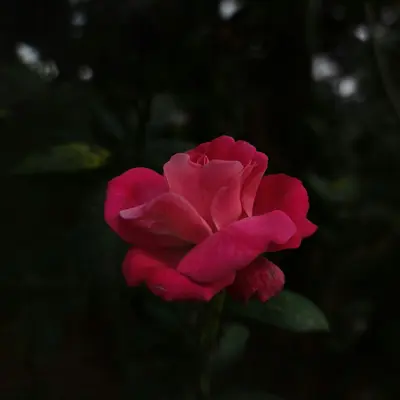
A legendary hybrid tea rose that lives up to its name with an intensely powerful fragrance that can perfume an entire garden. The brilliant orange-red blooms are large, perfectly formed, and produced continuously throughout the growing season. Winner of numerous international awards, this rose combines stunning visual appeal with one of the strongest fragrances in the rose world.
Harvest
60-70d
Days to harvest
Sun
Full sun
Zones
5–11
USDA hardiness
Height
1-8 feet
Planting Timeline
Showing dates for Fragrant Cloud in USDA Zone 7
All Zone 7 rose →Zone Map
Click a state to update dates
Fragrant Cloud · Zones 5–11
Growing Details
Complete Growing Guide
Fragrant Cloud roses are best started from bare-root canes or container-grown plants rather than from seed, as this hybrid tea variety doesn't breed true from seed and requires the vigor of established rootstock. If you're purchasing plants, order bare-root specimens in late winter for early spring planting, timing your installation about two weeks before your last spring frost. This allows the plant to establish roots before the heat of summer arrives. Container-grown plants can go in the ground anytime during the growing season, though spring and early fall are ideal for successful establishment.
Prepare your planting site with generous soil amendments, as Fragrant Cloud thrives in deeply cultivated beds enriched with compost or well-rotted manure. Space plants at least three feet apart to ensure excellent air circulation, which is crucial for preventing the fungal issues this variety is prone to developing. Plant at the graft union level, ensuring that the swollen knot where the variety is grafted onto rootstock sits just at or slightly below soil surface in cold climates. The soil should drain exceptionally well, as poor drainage invites root diseases and canker problems that can quickly kill this otherwise vigorous variety.
Water deeply and consistently, providing about one inch per week through drip irrigation or soaking at the base rather than overhead watering, which wets foliage and encourages black spot and powdery mildew. During the 60 to 70 days before first blooms appear, maintain even moisture as the plant establishes. Once flowering begins, feed every four to six weeks with a balanced rose fertilizer or organic fish emulsion to sustain the continuous bloom production Fragrant Cloud is famous for, continuing until six weeks before your first fall frost.
Fragrant Cloud's susceptibility to aphids, thrips, and spider mites makes early detection critical. Scout regularly for curled leaves and stippled foliage, addressing infestations with insecticidal soap before populations explode. Japanese beetles require hand-picking in early morning or use of pheromone traps placed away from the plant. Black spot manifests as circular lesions with yellow halos on lower leaves and demands immediate removal of infected foliage and improved air circulation. Powdery mildew appears as white coating and requires preventive fungicide applications in humid conditions.
Pruning is essential for maintaining Fragrant Cloud's shape and encouraging dense flowering. In spring, remove all dead or diseased canes, then cut back remaining stems by one-third, making cuts just above outward-facing buds. Deadhead spent blooms regularly throughout summer to fuel continuous flowering. Many gardeners mistake this variety's vigor for cold hardiness and fail to provide adequate winter protection in zones below 6. Even though Fragrant Cloud grows vigorously, mulch the base heavily in fall and consider rose cones in severe climates to protect the graft union from freezing temperatures that will kill the variety.
Harvesting
Harvest Fragrant Cloud blooms when the outer petals have fully unfurled but still maintain a slight firmness, revealing the brilliant orange-red color at their peak intensity. The blooms should feel velvety but not papery, and reach their full large size characteristic of this hybrid tea. Since this variety produces flowers continuously throughout the growing season rather than in a single flush, deadhead spent blooms regularly to encourage additional flowering. Cut stems in early morning when fragrance is strongest, selecting flowers that have just reached maturity but before any petals begin to soften or curl backward, ensuring maximum vase life and preserving the legendary damask scent for which this rose is renowned.
The accessory fruit is called a hip and forms after the flowers finish blooming. The hip will appear under the sepals of where the flower was after the flower dies. They will turn from green to red. They are filled with many achenes surrounded by irritating hairs.
Color: Green, Red/Burgundy. Type: Achene. Length: < 1 inch. Width: < 1 inch.
Garden value: Showy
Harvest time: Fall
Edibility: The fruit (called the hip) is edible.
Storage & Preservation
Fragrant Cloud roses are best stored in a cool environment at 32-35°F with 90-95% humidity to maximize vase life. Keep stems in fresh, cool water in the refrigerator to extend longevity to 7-10 days. For preservation, air-dry blooms by hanging upside-down in a dark, well-ventilated space for 2-3 weeks to create dried flowers ideal for arrangements. Alternatively, press petals between parchment paper under weight for 1-2 weeks to preserve them flat for crafts or potpourri. Freeze petals in ice cube trays with water for decorative floral ice cubes lasting several months.
History & Origin
Fragrant Cloud was bred by Mathias Tantau Jr. in Germany and introduced in 1963, emerging from the Tantau rose breeding program that had already established itself as a leader in creating modern hybrid teas with exceptional fragrance. The variety represents a significant achievement in post-war German horticulture, combining intense damask scent with vibrant color and disease resistance—qualities that made it an immediate success in European and international rose competitions. While its exact parentage lineage remains less documented in readily available sources, the rose's development reflects the deliberate breeding focus of mid-twentieth century programs on marrying ornamental beauty with powerful fragrance, a hallmark of Tantau's philosophy during this era.
Origin: Temp. & Subtropical Northern Hemisphere (such as Europe & Asia)
Advantages
- +Intensely powerful fragrance can perfume an entire garden effortlessly
- +Brilliant orange-red blooms are large and perfectly formed consistently
- +Continuous flowering throughout the growing season provides reliable blooms
- +Multiple international awards confirm exceptional quality and performance
- +Classic damask scent is one of the strongest available
Considerations
- -Moderate difficulty requires experienced care and regular maintenance
- -Highly susceptible to black spot, powdery mildew, and rust
- -Vulnerable to multiple pests including aphids, thrips, and beetles
- -Demands frequent monitoring and preventive disease management protocols
Companion Plants
Lavender, catmint, and the allium family — garlic, chives — are the companions worth planting closest to Fragrant Cloud. Lavender and catmint both deter aphids and thrips through volatile oils, and they share similar drainage preferences, so neither will compete aggressively for the 1–1.5 inches of weekly water roses need. Garlic and chives bring sulfur compounds that are thought to suppress aphid colonies and may have some suppressive effect on black spot (Diplocarpon rosae), though a few chive plants aren't a substitute for sanitation and airflow. Marigolds along the bed edge add a physical and scent barrier that confuses thrips. Parsley fills low space and pulls in parasitic wasps that work through aphid populations from underneath.
Black walnut is a hard no — juglone from the roots and decomposing leaf litter causes gradual phytotoxic decline in roses, the kind that looks like a mystery disease until you notice the tree overhead. Large trees are a problem for a different reason: they compete for water at the root zone and shade out the 6+ hours of direct sun Fragrant Cloud needs to flower well and to keep foliage dry enough to slow black spot. Brassicas are lower-stakes, but in a tight bed they're not earning their square footage next to a rose that's already a demanding neighbor.
Plant Together
Lavender
Repels aphids, moths, and other pests while attracting beneficial pollinators
Marigolds
Deter aphids, whiteflies, and nematodes while attracting beneficial insects
Garlic
Natural fungicide properties help prevent black spot and powdery mildew
Chives
Repel aphids and Japanese beetles while improving soil health
Catmint
Deters ants, aphids, and rodents while attracting beneficial predatory insects
Alliums
Strong scent repels aphids, thrips, and other rose pests
Clematis
Provides complementary blooming periods and shares similar soil preferences
Parsley
Attracts beneficial insects like hoverflies that prey on aphids
Keep Apart
Black Walnut
Produces juglone toxin that inhibits rose growth and can cause wilting
Large Trees
Compete for nutrients and water while creating excessive shade
Brassicas
Heavy feeders that compete for nutrients and may attract pests harmful to roses
Pests & Disease Resistance
Resistance
Good resistance to black spot and powdery mildew
Common Pests
Aphids, thrips, spider mites, Japanese beetles
Diseases
Black spot, powdery mildew, rust, canker
Troubleshooting Fragrant Cloud
What you'll see, why it happens, and what to do about it.
Dark spots with irregular, feathered edges on leaves; leaves yellowing and dropping by midsummer
Likely Causes
- Black spot (Diplocarpon rosae) — a fungal disease that splashes up from infected soil or fallen leaves during rain
- Overhead watering that keeps foliage wet into evening, extending the leaf wetness period
What to Do
- 1.Strip and bag affected leaves — don't compost them; the fungus overwinters in leaf debris
- 2.Water at soil level only, early in the morning, so foliage dries before nightfall
- 3.Mulch the root zone in late winter to reduce splash transmission from the soil
- 4.Prune out infected canes in winter and open up the plant's center in early spring for airflow — NC State Extension's IPM guidance specifically calls out air circulation as a cultural control for black spot
New shoots growing abnormally long with mature leaves holding red coloration instead of greening out, or a sudden spike in thorn density on one cane
Likely Causes
- Rose rosette disease (Rose rosette virus), transmitted by the microscopic eriophyid mite Phyllocoptes fructiphilus
- Hyper-thorniness is a near-certain indicator per NC State Extension; red retention in mature leaves is a strong secondary sign, though witches'-broom can also show up
What to Do
- 1.Remove and bag the entire affected plant immediately — there is no cure, and the mite vector moves to neighboring roses fast
- 2.Check nearby wild multiflora rose (Rosa multiflora), which is the primary reservoir host in most areas; clearing it within a few hundred feet reduces pressure significantly
- 3.If the diagnosis is uncertain, NC State's Plant Disease and Insect Clinic (PDIC) confirms RRD by looking at an array of symptoms together with mite presence — worth the submission fee before you pull an established plant
White powdery coating on young leaves and buds, often worst in late spring or early fall
Likely Causes
- Powdery mildew (Podosphaera pannosa) — thrives in warm days and cool nights, unlike most fungal diseases that need wet foliage
- Dense planting or a sheltered spot with poor air movement
What to Do
- 1.Prune to open up the canopy — 18 inches of clearance around the plant does more work than any spray
- 2.Apply a potassium bicarbonate or neem oil spray at first sign; repeat every 7–10 days while warm-day/cool-night conditions hold
- 3.Cut back on nitrogen in late summer — soft, fast-pushed new growth is exactly what Podosphaera pannosa colonizes first
Flower petals and buds chewed or skeletonized; shiny bronze-green beetles visible on the plant in June and July
Likely Causes
- Japanese beetles (Popillia japonica) — they home in on fragrant, light-colored blooms and can strip a Fragrant Cloud plant in a few days at peak emergence
What to Do
- 1.Hand-pick beetles into a bucket of soapy water in the early morning when they're sluggish — at small scale this genuinely outperforms most sprays
- 2.Skip the Japanese beetle pheromone traps near the rose bed; research consistently shows they draw more beetles from surrounding areas than they catch
- 3.Apply a neem-based soil drench in late June to target grubs before next year's adults hatch; for a heavy active infestation, a pyrethrin contact spray gives faster knockdown