Floribunda Rose - Loving Memory
Rosa 'Loving Memory'
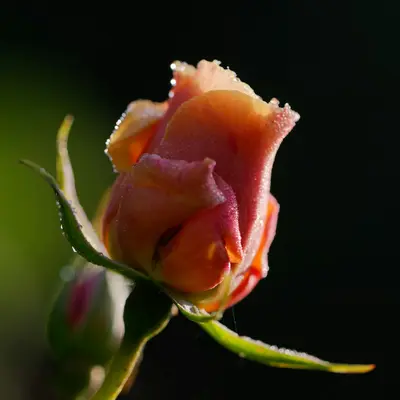
A remarkable red floribunda that produces clusters of brilliant crimson blooms with exceptional staying power and weather resistance. The flowers maintain their vivid color without fading and appear in abundant flushes throughout the season on a compact, well-branched bush. Perfect for mass plantings, borders, or as a stunning specimen plant that delivers consistent color impact.
Sun
Full sun
Zones
5–11
USDA hardiness
Height
1-8 feet
Planting Timeline
Showing dates for Floribunda Rose - Loving Memory in USDA Zone 7
All Zone 7 rose →Zone Map
Click a state to update dates
Floribunda Rose - Loving Memory · Zones 5–11
Growing Details
Complete Growing Guide
Loving Memory roses are best established as bare-root plants in early spring or as container-grown specimens planted in spring through fall, though spring planting gives them the full season to establish strong root systems before winter. If you're starting from bare-root stock, soak the roots in water for several hours before planting, and time your planting for 2-3 weeks after your region's last frost date when soil temperatures have warmed to at least 50°F. This compact floribunda's success depends heavily on proper spacing and soil preparation; space plants 2-3 feet apart to allow air circulation that helps prevent the occasional rust issues this variety may encounter. Prepare planting holes with generous amendments of well-draining compost or aged manure mixed into existing soil, as Loving Memory performs best in rich, slightly acidic soil with a pH between 6.0 and 6.5. Dig holes wide enough for the roots to spread naturally, and position container plants so the top of the root ball is level with the soil surface.
Water consistently throughout the growing season, providing approximately one inch weekly through rainfall or irrigation, keeping soil evenly moist but never waterlogged. During peak bloom periods, increase watering frequency, especially in hot weather, as dry stress can reduce flower production on this prolific bloomer. Feed Loving Memory monthly from spring through early fall using a balanced rose fertilizer or one formulated specifically for floribundas, which encourages the abundant flowering this variety is known for. Stop fertilizing in late summer to allow the plant to harden off before winter dormancy.
Watch particularly for aphids clustering on new growth, which appears frequently on vigorous roses like Loving Memory, and spider mites during hot, dry spells that stress the plant. While this cultivar shows excellent resistance to rose chafer damage compared to many varieties, inspect undersides of leaves regularly and remove affected foliage if infestations develop. The occasional rust may appear in humid conditions; improve air circulation through judicious pruning and remove any affected leaves promptly.
Prune Loving Memory in early spring to maintain its compact, well-branched form, removing dead wood and crossing canes, then deadhead spent blooms throughout the season to encourage continuous flowering waves. Light rejuvenation pruning after the first major flush of bloom often triggers spectacular reblooming in this free-flowering variety.
The most common mistake gardeners make with Loving Memory is underwatering during its heavy blooming periods. This variety's exceptional flower production demands consistent moisture; inadequate water directly reduces bloom count and can trigger powdery mildew stress. Maintain steady soil moisture through the entire season to keep this stunning crimson performer producing its characteristic abundant clusters.
Harvesting
Harvest 'Loving Memory' roses when the outer petals just begin to unfurl and the blooms reach full size, typically indicated by their characteristic vivid crimson color deepening slightly at the base. The petals should feel firm yet slightly yielding when gently squeezed, signaling optimal hydration and vase life. This floribunda produces continuous flushes throughout the season rather than a single bloom period, allowing for regular harvesting every few days as new clusters mature. For best results, cut stems in early morning when the plant is fully hydrated, using sharp bypass pruners to make clean cuts just above an outward-facing leaf node, which encourages fuller branching and sustained blooming.
The accessory fruit is called a hip and forms after the flowers finish blooming. The hip will appear under the sepals of where the flower was after the flower dies. They will turn from green to red. They are filled with many achenes surrounded by irritating hairs.
Color: Green, Red/Burgundy. Type: Achene. Length: < 1 inch. Width: < 1 inch.
Garden value: Showy
Harvest time: Fall
Edibility: The fruit (called the hip) is edible.
Storage & Preservation
For cut Loving Memory roses, keep stems in cool water (65-72°F) in a shaded location away from direct sunlight and ripening fruit. Change water every 2-3 days and trim stems at an angle. Vase life typically lasts 7-14 days. Preservation methods: (1) Air-dry by hanging stems upside down in a dark, well-ventilated space for 2-3 weeks for dried arrangements; (2) Press flowers between heavy books or in a flower press for 2-4 weeks to create pressed specimens; (3) Freeze flowers in water by placing blooms in ice cube trays, ideal for floral crafts and later use.
History & Origin
Loving Memory is a red floribunda rose bred by Werner Noack in Germany and introduced in 1984, representing a significant achievement in modern floribunda breeding. Noack, renowned for developing hardy, disease-resistant roses with exceptional garden performance, created this variety during an era when German breeders were systematically improving floribunda roses for landscape reliability and continuous blooming. The cultivar's crimson coloring and robust vigor reflect Noack's breeding philosophy of combining ornamental appeal with practical durability. As a floribunda descendant of 20th-century breeding lines that emphasized cluster flowering and compact growth habits, Loving Memory established itself as a standard in commercial horticulture and remains widely cultivated for its consistent performance in garden settings.
Origin: Temp. & Subtropical Northern Hemisphere (such as Europe & Asia)
Advantages
- +Produces abundant clusters of brilliant crimson blooms throughout the growing season
- +Exceptional weather resistance keeps vivid color without fading or deterioration
- +Compact, well-branched growth habit makes it ideal for mass plantings
- +Easy to grow with minimal care requirements for most gardeners
- +Stunning specimen plant delivering consistent, reliable color impact
Considerations
- -Susceptible to aphids and spider mites requiring regular pest monitoring
- -Light fragrance may disappoint gardeners seeking strongly scented rose varieties
- -Rose chafers can damage flowers during peak bloom periods
Companion Plants
Lavender and catmint are worth planting closest to 'Loving Memory.' Both repel aphids through volatile oils, and their dense, low growth covers bare soil around the rose's base — useful since roses don't shade their own root zone well. A mature catmint plant spreads 30–36 inches and slows moisture loss in a way that a layer of straw mulch can't quite replicate on its own. Neither competes hard for nutrients at the 6.0–7.0 pH range this rose prefers.
Garlic, chives, and alliums work through a different mechanism: their sulfur compounds are thought to deter aphids and possibly Japanese beetles when planted within 12–18 inches of the canes. The evidence is anecdotal rather than controlled-trial solid, but they're useful plants regardless and won't cause any problems. Tagetes marigolds pull double duty by drawing in hoverflies that prey on aphids, and they're shallow-rooted enough not to compete for water.
Black walnut is the one companion to avoid unconditionally — juglone from its roots and decomposing leaf litter is toxic to roses, and you can see wilting and dieback that mimics a soil disease in plants growing within 50–60 feet of a mature tree. Large trees more broadly are a problem for a different reason: root competition and canopy shade. 'Loving Memory' needs 6 or more hours of direct sun daily and consistent moisture, and an established tree overhead will undercut both.
Plant Together
Lavender
Repels aphids, spider mites, and other rose pests while attracting beneficial pollinators
Marigolds
Deters nematodes, aphids, and whiteflies while adding vibrant color contrast
Garlic
Natural fungicide properties help prevent black spot and powdery mildew on roses
Catmint
Repels aphids, ants, and rodents while attracting beneficial insects
Alliums
Strong scent deters aphids, thrips, and other rose pests
Clematis
Provides vertical interest and shares similar soil preferences without competing for nutrients
Parsley
Attracts beneficial insects like hoverflies that prey on aphids
Chives
Natural antifungal properties help prevent rose diseases and repel aphids
Keep Apart
Black Walnut
Produces juglone toxin that causes wilting and stunted growth in roses
Large Trees
Compete heavily for nutrients and water while creating excessive shade roses need full sun
Brassicas
Heavy feeders that compete for nutrients and can harbor pests that also attack roses
Pests & Disease Resistance
Resistance
Excellent disease resistance to black spot and mildew
Common Pests
Aphids, spider mites, rose chafer
Diseases
Rust (occasional), black spot (rare), powdery mildew (rare)
Troubleshooting Floribunda Rose - Loving Memory
What you'll see, why it happens, and what to do about it.
Dark, irregular spots on leaves with feathered or ragged edges, leaves yellowing and dropping — can defoliate a whole cane by midsummer
Likely Causes
- Black spot (Diplocarpon rosae) — a fungal disease that spreads via water splash and thrives when leaves stay wet overnight
- Watering overhead in the evening, extending leaf wetness into morning
What to Do
- 1.Strip and bag all affected leaves — don't compost them; the fungus overwinters in debris
- 2.Switch to drip or base watering only, and water in the morning so foliage dries before nightfall
- 3.Mulch around the base in late winter to reduce soil splash; prune cane infections out during dormancy
- 4.NC State Extension's IPM notes that improving air circulation through proper pruning is one of the most reliable cultural controls
New shoots are unnaturally elongated, leaves hold a deep red or burgundy color instead of greening up, or canes suddenly produce a dense cluster of tiny shoots (witches'-broom); may also see excessive thorniness unlike the rest of the plant
Likely Causes
- Rose Rosette Disease (RRD), caused by Rose rosette virus and transmitted by the eriophyid mite Phyllocoptes fructiphilus
- Symptoms can look like glyphosate drift damage at first — rule that out before assuming RRD
What to Do
- 1.NC State Extension is clear that excessive thorniness on a cane is a reliable indicator of RRD — if you see it alongside red shoot retention, treat it as confirmed
- 2.There is no cure; dig out and bag the entire plant, roots included, and dispose of it — do not compost
- 3.Apply miticides labeled for eriophyid mites to neighboring roses to slow spread
Leaves stippled, bronzed, or showing fine webbing on undersides — most visible on upper leaf surfaces as a dull, washed-out look in hot, dry weather
Likely Causes
- Two-spotted spider mite (Tetranychus urticae) — populations explode in dry spells above 85°F
- Aphid colonies on new growth, often clustered at bud tips, can cause similar distortion and a sticky residue
What to Do
- 1.For spider mites, blast the undersides of leaves with a strong stream of water every 2–3 days — it knocks them off and they rarely climb back
- 2.For aphids, squish colonies by hand or apply insecticidal soap directly to the cluster; repeat every 5–7 days
- 3.Avoid broad-spectrum insecticides that wipe out predatory mites and beneficial insects, which naturally keep both pests in check