English Rose - Abraham Darby
Rosa 'Abraham Darby'
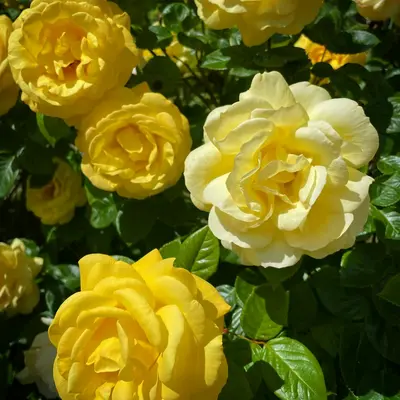
One of David Austin's most beloved English roses, combining the romantic form of old roses with modern repeat-flowering performance. The large, cupped blooms display gorgeous peachy-pink petals with apricot centers and deliver an intense fruity fragrance reminiscent of fresh peaches. This vigorous shrub rose creates a spectacular display in any garden setting.
Sun
Full sun
Zones
5–11
USDA hardiness
Height
1-8 feet
Planting Timeline
Showing dates for English Rose - Abraham Darby in USDA Zone 7
All Zone 7 rose →Zone Map
Click a state to update dates
English Rose - Abraham Darby · Zones 5–11
Growing Details
Complete Growing Guide
Abraham Darby is best started in early spring from bare-root canes or container-grown specimens rather than from seed, as propagation requires specialized techniques. Plant bare-root roses in early spring, approximately two weeks before your last spring frost, when the soil is workable but still cool. Container roses can go in the ground anytime during the growing season, though spring and early fall are ideal. Prepare the planting site by amending soil with compost and aged manure, working organic matter into the top 12 inches to create a loose, well-draining environment. This vigorous shrub needs substantial root space, so plant it at least 4 to 5 feet away from other plants, allowing room for its potential 1 to 8-foot spread depending on your climate and growing conditions.
Water Abraham Darby deeply and regularly during the first growing season to establish a strong root system, aiming for 1 to 2 inches per week. Once established, water when the top inch of soil feels dry, typically every 5 to 7 days in average conditions. Avoid overhead watering, which promotes the fungal diseases this variety is susceptible to, particularly black spot and powdery mildew. Feed in early spring with a balanced rose fertilizer, then monthly through mid-summer to support continuous blooming. Stop feeding in late summer to allow the plant to harden off before winter.
The peachy-pink blooms of Abraham Darby attract aphids and spider mites with particular enthusiasm, especially during warm, dry spells. Monitor the undersides of leaves regularly and spray with insecticidal soap at the first sign of infestation. Thrips can deform the spectacular cupped flowers, so watch for discolored petals and stippled foliage. Japanese beetles will feed on the blooms directly; hand-pick in early morning or use targeted traps away from the plant. While generally resistant, this cultivar can succumb to black spot if air circulation is poor or foliage remains wet, so space appropriately and prune to open up the canopy.
Prune Abraham Darby in early spring, removing dead or weak canes and crossing branches, then cut back remaining growth by about one-third. This rose blooms on new wood, so don't fear aggressive pruning. Summer deadheading encourages repeat flowering throughout the season. The most common mistake gardeners make with Abraham Darby is planting it in insufficient light. While the variety shows some tolerance to partial shade, it performs best with at least 6 hours of direct sun daily. Less light leads to weak growth, fewer blooms, and increased disease susceptibility. Given this rose's vigorous nature and potential height, consider training it as a small climber on a pillar or sturdy support if you have vertical space.
Harvesting
Harvest Abraham Darby blooms when the outer petals begin unfurling from their cupped form and the peachy-pink coloring deepens slightly toward apricot, indicating peak fragrance development. The blooms should feel gently firm rather than papery, and typically reach optimal size at four to five inches across. This repeat-flowering cultivar benefits from deadheading spent blooms to encourage continuous production throughout the season, though you can allow some flowers to remain for hips if desired. Time your harvest for early morning after dew dries, when the fruity fragrance is most pronounced and stem hydration is highest, ensuring longer vase life and fuller fragrance expression in cut arrangements.
The accessory fruit is called a hip and forms after the flowers finish blooming. The hip will appear under the sepals of where the flower was after the flower dies. They will turn from green to red. They are filled with many achenes surrounded by irritating hairs.
Color: Green, Red/Burgundy. Type: Achene. Length: < 1 inch. Width: < 1 inch.
Garden value: Showy
Harvest time: Fall
Edibility: The fruit (called the hip) is edible.
Storage & Preservation
For cut blooms, display in a clean vase with fresh water at room temperature (65-75°F) away from direct sunlight and ripening fruit. Change water every 2-3 days and re-cut stems at a 45-degree angle. Vase life typically lasts 7-10 days. Preservation methods include: (1) Air-drying blooms upside-down in a cool, dark space for 2-3 weeks to create long-lasting dried arrangements; (2) Pressing petals between parchment paper under weight for 4-6 weeks to preserve for potpourri or craft projects; (3) Freezing individual petals in ice cubes with water for decorative use in beverages.
History & Origin
Developed by David Austin in 1985, Abraham Darby represents a landmark achievement in the English Rose breeding program, which revolutionized modern rose gardening by crossing traditional old garden roses with contemporary hybrid teas. Named after the 18th-century English industrialist, this variety exemplifies Austin's vision of combining the romantic, quartered form and fragrance of heritage roses with the repeat-flowering vigor and disease resistance of modern cultivars. While detailed parentage records for this specific cross are not extensively documented in readily available sources, Abraham Darby emerged from Austin's extensive hybridization work during the 1970s and 1980s, establishing itself as one of the most celebrated and commercially successful introductions within the English Rose collection.
Origin: Temp. & Subtropical Northern Hemisphere (such as Europe & Asia)
Advantages
- +Stunning peachy-pink blooms with romantic cupped form appeal to traditional gardeners.
- +Exceptional fruity fragrance with peach and raspberry notes rivals high-end perfumes.
- +Repeat-flowering performance ensures continuous blooms throughout the growing season reliably.
- +Vigorous growth habit creates impressive garden displays with minimal pruning needed.
- +Combines old-fashioned aesthetics with modern disease resistance and garden performance standards.
Considerations
- -Susceptible to black spot and powdery mildew in humid or poorly-ventilated conditions.
- -Moderate difficulty level requires consistent care, proper spacing, and disease monitoring attention.
- -Attracts multiple pest species including aphids, thrips, and Japanese beetles regularly.
- -Large blooms may require deadheading support in heavy rain or strong winds.
Companion Plants
Lavender, catmint, and chives are the companions worth planting within a few feet of Abraham Darby. Lavender and catmint both pull in predatory and parasitic wasps that feed on aphids — a persistent nuisance on roses — and their volatile oils appear to disrupt the host-finding behavior of aphids and thrips. Chives and garlic have a solid practical track record as aphid deterrents near roses, even if the mechanism isn't perfectly nailed down. Tagetes marigolds add another layer: they attract hoverflies and have documented nematicidal properties in the surrounding soil, which matters in beds that have been planted continuously for several seasons.
Clematis is worth mentioning because it's one of the few ornamental climbers that won't fight Abraham Darby for root space — it roots shallowly compared to the rose, fills vertical space, and as long as you're giving the rose 6+ hours of direct sun, there's no real conflict. Parsley does quiet work along the front edge, drawing in small beneficial insects without competing for water or light.
Black walnut is the genuine problem here. It produces juglone — a compound that accumulates in the soil around the root zone and is acutely toxic to many woody plants, roses included. That's a chemistry problem, not just a shade or root-competition issue, and it doesn't go away when the tree does. Impatiens are a softer concern: they tend to carry similar fungal pressure to what already threatens roses and, planted at the base, they cut the airflow that keeps Diplocarpon rosae from getting established in the first place.
Plant Together
Lavender
Repels aphids, spider mites, and other pests while attracting beneficial pollinators
Marigolds
Deters nematodes, aphids, and whiteflies with natural pest-repelling compounds
Garlic
Repels aphids, spider mites, and Japanese beetles with sulfur compounds
Catmint
Deters ants, aphids, and rodents while attracting beneficial insects
Chives
Prevents black spot and aphid infestations, improves rose health
Clematis
Provides vertical interest and shade for rose roots without competing for nutrients
Alliums
Repel aphids, thrips, and other rose pests with strong sulfur scent
Parsley
Attracts beneficial insects like hoverflies that prey on aphids
Keep Apart
Black Walnut
Produces juglone toxin that inhibits rose growth and can cause wilting
Large Trees
Compete for water, nutrients, and sunlight, reducing rose vigor and blooming
Impatiens
Attract spider mites and thrips that can spread to roses
Pests & Disease Resistance
Resistance
Good resistance to most diseases, may need protection from black spot in humid climates
Common Pests
Aphids, thrips, Japanese beetles, spider mites
Diseases
Black spot, powdery mildew, rust (generally resistant but can occur)
Troubleshooting English Rose - Abraham Darby
What you'll see, why it happens, and what to do about it.
Dark spots with irregular, 'feathered' or jagged edges on leaves, followed by yellowing and leaf drop — often starting in late spring or after rain
Likely Causes
- Black spot (Diplocarpon rosae) — a fungal disease that spreads via water splash and thrives when leaves stay wet overnight
- Overhead watering or dense canopy trapping humidity around the foliage
What to Do
- 1.Water at the base only — drip irrigation or a soaker hose keeps the leaves dry and cuts the nighttime wetness window
- 2.Strip and bag (don't compost) fallen infected leaves; the fungus overwinters in leaf litter and reinfects next season
- 3.Prune out any cane infections in late winter, then lay 2-3 inches of mulch around the base before new growth starts to reduce soil splash
New canes with an unusual number of thorns, shoots that stay red and don't mature to green, or a witches'-broom of stunted proliferating growth
Likely Causes
- Rose Rosette Disease (Rose rosette virus), transmitted by the microscopic eriophyid mite Phyllocoptes fructiphilus
- Glyphosate drift at low doses can mimic the witches'-broom symptom — rule this out before assuming RRD
What to Do
- 1.There is no cure for RRD — dig out and dispose of the entire plant (roots included) in the trash, not the compost; leaving roots behind risks spreading the mite vector
- 2.Check neighboring roses, especially wild multiflora rose (Rosa multiflora) nearby, which is a primary reservoir for the virus
- 3.NC State Extension notes that less susceptible replacements include Knock Out roses and the Easy Elegance series if you're replanting the spot
Leaves stippled, bronzed, or showing fine webbing on the undersides, usually during hot, dry stretches in summer
Likely Causes
- Two-spotted spider mite (Tetranychus urticae) — populations explode in dry weather above 85°F
- Dusty conditions or water stress, which weaken the plant's natural defenses
What to Do
- 1.Knock mites off with a strong jet of water aimed at leaf undersides — do this in the morning so foliage dries before evening
- 2.If the infestation is heavy, apply insecticidal soap or neem oil, covering the undersides of leaves thoroughly; repeat every 5-7 days for 2-3 applications
- 3.Keep the plant well-watered at 1-1.5 inches per week — stressed plants get hit harder and recover slower