Double Delight
Rosa 'Double Delight'
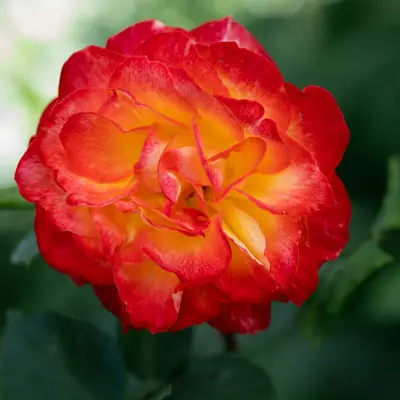
A stunning hybrid tea rose that captivates with its unique bicolor blooms featuring creamy white petals edged in cherry red. The dramatic color contrast intensifies with sun exposure, creating flowers that are never quite the same twice. Winner of multiple awards including the All-America Rose Selection, this fragrant beauty is a showstopper in any garden.
Harvest
60-70d
Days to harvest
Sun
Full sun
Zones
5–11
USDA hardiness
Height
1-8 feet
Planting Timeline
Showing dates for Double Delight in USDA Zone 7
All Zone 7 rose →Zone Map
Click a state to update dates
Double Delight · Zones 5–11
Growing Details
Complete Growing Guide
Double Delight demands consistent warmth and morning sun exposure to develop its signature red edging—without adequate light, the bicolor contrast fades to pale pink. This cultivar flowers reliably within 60–70 days but requires diligent deadheading to maintain continuous blooms throughout the season. It's notably susceptible to black spot and powdery mildew in humid conditions, so ensure excellent air circulation and water only at the soil level, never wetting foliage. The plant tends toward leggy growth if not pruned back hard in early spring, which encourages bushier branching and more abundant flowering. Feed monthly during the growing season with a balanced rose fertilizer to sustain its vigorous habit and intensify fragrance production. One practical tip: plant Double Delight where morning sun quickly dries dew, minimizing fungal pressure while maximizing the dramatic color intensity that makes this variety truly exceptional.
Light: Full sun (6 or more hours of direct sunlight a day). Soil: Clay, Loam (Silt). Soil pH: Acid (<6.0), Neutral (6.0-8.0). Height: 1 ft. 0 in. - 8 ft. 0 in.. Spread: 1 ft. 0 in. - 6 ft. 0 in.. Spacing: Less than 12 inches, 12 inches-3 feet, 3 feet-6 feet, 6-feet-12 feet. Growth rate: Medium. Maintenance: High. Propagation: Grafting.
Harvesting
Peak readiness for Double Delight roses arrives when the bicolor petals display their signature contrast most vividly, with the cherry-red edges fully developed and the creamy white centers still firm to gentle touch. The bloom should feel substantial but yield slightly when squeezed, indicating optimal hydration without overripeness. Harvest these roses in early morning when stems are fully turgid, cutting at a 45-degree angle just above an outward-facing leaf node. This variety supports continuous harvesting throughout the growing season rather than a single flush, encouraging repeat blooming as long as spent flowers are promptly removed. For maximum fragrance intensity and color saturation, wait until the outer petals have fully unfurled but before the innermost petals begin loosening, typically occurring 65-70 days from initial bloom emergence.
The accessory fruit is called a hip and forms after the flowers finish blooming. The hip will appear under the sepals of where the flower was after the flower dies. They will turn from green to red. They are filled with many achenes surrounded by irritating hairs.
Color: Green, Red/Burgundy. Type: Achene. Length: < 1 inch. Width: < 1 inch.
Garden value: Showy
Harvest time: Fall
Edibility: The fruit (called the hip) is edible.
Storage & Preservation
Double Delight roses are best stored in a cool environment to extend vase life. Keep cut flowers in the refrigerator at 34-40°F (1-4°C) with 80-90% humidity, away from ripening fruit and ethylene-producing items. Vase life typically ranges from 7-12 days. For preservation: air-dry blooms in a warm, dark, well-ventilated space by hanging stems upside down for 2-3 weeks to retain color and form. Alternatively, press flowers between parchment paper under books for 2-4 weeks for floral crafts. Freeze whole blooms in ice cubes by layering water and flowers in trays for decorative uses in beverages.
History & Origin
Developed by the renowned rose breeder Ard Vroomen and introduced by Jackson & Perkins in 1977, Double Delight emerged from meticulous hybridization work aimed at combining exceptional fragrance with striking visual appeal. The cultivar represents a significant achievement in hybrid tea rose breeding, successfully marrying the spicy-sweet scent profile of its lineage with the dramatic bicolor characteristics that distinguish it from earlier varieties. Its rapid rise to prominence culminated in the All-America Rose Selection award, cementing its status as a landmark cultivar that influenced subsequent bicolor rose breeding programs throughout the late twentieth century.
Origin: Temp. & Subtropical Northern Hemisphere (such as Europe & Asia)
Advantages
- +Stunning bicolor blooms with cherry red edges intensify beautifully in sunlight
- +Strong sweet fragrance with spicy undertones makes it exceptionally aromatic
- +Award-winning hybrid tea rose recognized by All-America Rose Selection
- +Unique color variation creates visually striking garden displays throughout seasons
- +Moderate difficulty level makes it accessible for experienced home gardeners
Considerations
- -Highly susceptible to black spot and powdery mildew in humid climates
- -Frequently attacked by aphids thrips and spider mites requiring vigilant monitoring
- -Requires consistent deadheading and pruning to maintain prolific blooming performance
- -Sensitive to watering inconsistencies and demanding about soil drainage conditions
Companion Plants
Lavender and catmint are the most practical companions here — both stay under 18–24 inches, won't crowd the 3–4 feet of root space Double Delight needs, and their volatile oils are thought to disrupt the host-finding behavior of aphids and thrips before they settle in. Marigolds (particularly Tagetes patula) do similar work at ground level. Garlic or other alliums planted about 6 inches from the drip line have a long-standing reputation for aphid suppression, and parsley makes a tidy low border that pulls in predatory wasps without competing for space.
The harmful companions are mostly a matter of chemistry and light. Black walnut (Juglans nigra) releases juglone through its roots — a compound that disrupts respiration in susceptible plants, roses included — so any Double Delight planted within the root spread of a walnut is likely to decline slowly and mysteriously. Large trees nearby cause a different problem: straight-up resource competition for water and the 6+ hours of direct sun this variety needs to set buds reliably. Brassicas are heavy nitrogen feeders that tend to carry their own aphid populations, which is the last thing you want adjacent to a rose already prone to infestation.
Plant Together
Lavender
Repels aphids, spider mites, and other pests while attracting beneficial pollinators
Marigolds
Deters nematodes, aphids, and whiteflies with natural compounds
Garlic
Repels aphids, Japanese beetles, and fungal diseases like black spot
Catmint
Repels ants, aphids, and rodents while attracting beneficial insects
Alliums
Strong scent deters aphids, thrips, and rose chafers
Parsley
Attracts beneficial insects and may help improve soil nutrients
Clematis
Compatible root systems and provides vertical interest without competition
Geraniums
Repels Japanese beetles, aphids, and cabbage worms
Keep Apart
Black Walnut
Produces juglone which is toxic to roses and inhibits their growth
Large Trees
Compete for nutrients and water while creating excessive shade
Brassicas
May attract pests that also damage roses and compete for similar nutrients
Pests & Disease Resistance
Resistance
Moderate resistance to black spot and powdery mildew
Common Pests
Aphids, thrips, Japanese beetles, spider mites
Diseases
Black spot, powdery mildew, rust, canker
Troubleshooting Double Delight
What you'll see, why it happens, and what to do about it.
Dark spots with feathered, irregular edges on leaves; leaves yellowing and dropping, sometimes starting as early as late spring
Likely Causes
- Black spot (Diplocarpon rosae) — a fungal disease that splashes up from soil and infected fallen leaves, and thrives when leaves stay wet overnight
- Susceptible cultivar — Double Delight is not on NC State Extension's list of resistant varieties, making it more vulnerable than Knock Out or 'Bonica'
What to Do
- 1.Strip and trash (don't compost) any infected leaves, and clean up fallen debris around the base weekly
- 2.Water at the base only — drip or soaker hose keeps foliage dry and doesn't extend nighttime leaf wetness into morning
- 3.Mulch around the shrub in late winter to reduce soil splash, and prune out any cane infections during dormancy
New shoots are excessively thorny, or you notice abnormal shoot elongation with mature leaves holding a juvenile red color that doesn't fade
Likely Causes
- Rose Rosette Disease (RRD), caused by Rose rosette virus and spread by the microscopic eriophyid mite (Phyllocoptes fructiphilus)
- Witches'-broom shoot proliferation can also appear — though NC State Extension notes this symptom can occasionally be caused by low-dose glyphosate drift, so rule that out first
What to Do
- 1.Hyperthorniness on new growth is the most reliable indicator — if you see it alongside red leaf retention, treat it as RRD until proven otherwise
- 2.There is no cure; remove and bag the entire plant immediately to prevent mite spread to neighboring roses
- 3.For a definitive diagnosis, submit a sample to NC State's Plant Disease and Insect Clinic (PDIC), which looks for an array of symptoms plus mite presence
Leaves and buds covered in a white or gray powdery coating, most common on young growth in late spring or early fall
Likely Causes
- Powdery mildew (Podosphaera pannosa) — a fungal disease that, unlike black spot, actually prefers dry foliage with high ambient humidity rather than wet leaves
- Poor air circulation from crowded planting or a dense, unpruned shrub interior
What to Do
- 1.Prune the interior of the shrub to open it up — canes spaced a few inches apart let air move through instead of trapping humidity
- 2.New plantings should sit 3–4 feet apart at minimum
- 3.Apply a sulfur-based or potassium bicarbonate fungicide at first sign; repeat every 7–10 days if humid conditions hold