David Austin English Rose - Graham Thomas
Rosa 'Ausmas'
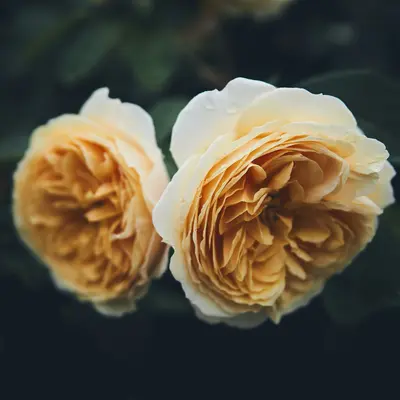
Named after the renowned rosarian, this exceptional English rose combines the best of old and new with cupped, fully double blooms in rich golden yellow. The strong tea rose fragrance and repeat flowering habit make this climbing rose a standout performer that brings cottage garden charm to any landscape.
Sun
Full sun
Zones
5–11
USDA hardiness
Height
1-8 feet
Planting Timeline
Showing dates for David Austin English Rose - Graham Thomas in USDA Zone 7
All Zone 7 rose →Zone Map
Click a state to update dates
David Austin English Rose - Graham Thomas · Zones 5–11
Growing Details
Complete Growing Guide
Graham Thomas thrives best when planted in early spring or fall to establish strong roots before extreme temperatures. This cultivar demands at least six hours of direct sunlight daily and well-draining soil rich in organic matter, as it's prone to powdery mildew and black spot in humid conditions without adequate air circulation. Unlike shrub roses, Graham Thomas as a climber requires consistent moisture during the growing season but resents waterlogged roots. Watch for spider mites in hot, dry weather and Japanese beetles in midsummer—both can significantly reduce flowering. The variety exhibits vigorous, sometimes leggy growth, so hard pruning in late winter encourages basal branching and denser coverage on supports. A practical tip: prune out diseased canes immediately and thin crossing branches to maximize airflow, which dramatically reduces fungal pressure and improves the reliability of its repeat blooming cycles throughout the season.
Light: Full sun (6 or more hours of direct sunlight a day). Soil: Clay, Loam (Silt). Soil pH: Acid (<6.0), Neutral (6.0-8.0). Height: 1 ft. 0 in. - 8 ft. 0 in.. Spread: 1 ft. 0 in. - 6 ft. 0 in.. Spacing: Less than 12 inches, 12 inches-3 feet, 3 feet-6 feet, 6-feet-12 feet. Growth rate: Medium. Maintenance: High. Propagation: Grafting.
Harvesting
The Graham Thomas rose reaches peak readiness when its fully double blooms display a rich, deep golden yellow rather than pale cream, and the petals feel silky yet still possess slight firmness rather than papery texture. Since this variety exhibits repeat flowering throughout the season, plan for continuous harvesting rather than a single flush—cut blooms in early morning when stems are fully hydrated and petals have just begun to unfurl from the cup formation. A specific timing advantage: harvest just as the outer petals begin to reflexively curl outward, which signals the bloom has achieved optimal fragrance intensity and will open beautifully in the vase while maximizing the prized tea rose scent that defines this cultivar.
The accessory fruit is called a hip and forms after the flowers finish blooming. The hip will appear under the sepals of where the flower was after the flower dies. They will turn from green to red. They are filled with many achenes surrounded by irritating hairs.
Color: Green, Red/Burgundy. Type: Achene. Length: < 1 inch. Width: < 1 inch.
Garden value: Showy
Harvest time: Fall
Edibility: The fruit (called the hip) is edible.
Storage & Preservation
Fresh cut Graham Thomas roses last 7-10 days when properly conditioned. Immediately after cutting, recut stems under running water and place in lukewarm water mixed with flower food. Store in a cool location away from direct sunlight and heat sources. Change water every 2-3 days and trim stems by half an inch each time.
For preservation, harvest fully open blooms in late morning. Air-dry by bundling 5-6 stems with rubber bands and hanging upside down in a dark, well-ventilated area for 2-3 weeks. The golden petals retain much of their color when dried. Alternatively, preserve petals in silica gel for 3-5 days to maintain shape and vibrant color for potpourri or crafts. The petals can also be used fresh in rose water or frozen in ice cubes for special occasions, though this variety is grown primarily for ornamental rather than culinary purposes.
History & Origin
The Graham Thomas rose was developed by David Austin Roses, the renowned English rose breeder, and released in 1983. Named in honor of the celebrated rosarian and garden writer Graham Stuart Thomas, this variety represents a cornerstone of Austin's breeding philosophy to create modern roses with the form and fragrance of heritage varieties. The cultivar emerged from Austin's systematic crossing program that blended old garden rose genetics with repeat-flowering modern roses, establishing it as one of the most successful yellow English roses. While specific parentage details remain proprietary within Austin's extensive breeding records, the Graham Thomas exemplifies the breeder's signature approach of combining disease resistance, garden performance, and classic aesthetic appeal.
Origin: Temp. & Subtropical Northern Hemisphere (such as Europe & Asia)
Advantages
- +Rich golden yellow cupped blooms provide stunning cottage garden aesthetics year-round
- +Strong tea rose fragrance delivers classic old garden rose scent experience
- +Repeat flowering habit ensures continuous blooms throughout growing season reliably
- +Less susceptible to rust than many other rose varieties makes maintenance easier
- +Climbing growth habit suits trellises, walls, and vertical garden design solutions
Considerations
- -Moderate difficulty level requires consistent care and gardening knowledge to thrive
- -Susceptible to black spot and powdery mildew in humid climates
- -Multiple pest vulnerabilities including aphids, spider mites, and Japanese beetles require monitoring
Companion Plants
Lavender and catmint are the strongest neighbors for Graham Thomas — both tolerate the same 6.0–7.0 pH range, stay shallow-rooted so they don't compete for water at the 1–1.5 inch weekly budget, and their volatile oils genuinely confuse aphids and spider mites, which are the two most consistent pests on this variety in our zone 7 Georgia gardens. Alliums planted at the drip line do similar work against aphids without taking up much real estate. Marigolds along the front edge suppress soil nematodes. Black Walnut is a hard no — its juglone toxin leaches through the soil and will kill a rose planted anywhere inside the tree's root zone, which typically extends well past the canopy edge.
Plant Together
Lavender
Repels aphids, moths, and other pests while attracting beneficial pollinators
Catmint
Deters aphids, ants, and rodents while complementing rose blooms aesthetically
Alliums
Repel aphids, thrips, and other rose pests through strong sulfur compounds
Marigolds
Deter nematodes and aphids while attracting beneficial insects
Clematis
Provides vertical interest and shares similar soil and sun requirements
Rosemary
Repels various pests and thrives in similar Mediterranean-style conditions
Geraniums
Repel Japanese beetles and other rose pests while providing color contrast
Foxglove
Improves growth and disease resistance of nearby roses through root interactions
Keep Apart
Black Walnut Tree
Produces juglone toxin that inhibits rose growth and can cause yellowing and death
Large Trees
Compete for nutrients and water while creating excessive shade that reduces flowering
Brassicas
Heavy feeders that compete for nutrients and may harbor pests harmful to roses
Pests & Disease Resistance
Resistance
Good disease resistance, better than many English roses
Common Pests
Aphids, spider mites, Japanese beetles, rose sawfly
Diseases
Black spot, powdery mildew, rust (less susceptible than many varieties)
Troubleshooting David Austin English Rose - Graham Thomas
What you'll see, why it happens, and what to do about it.
Dark spots on leaves with irregular, feathered edges — leaves yellowing and dropping, sometimes starting as early as May in wet springs
Likely Causes
- Black spot (Diplocarpon rosae) — a fungal disease that splashes up from infected soil or leaf litter and requires at least 6 hours of leaf wetness to establish
- Overhead irrigation extending nighttime leaf wetness into morning hours
- Poor air circulation from crowded planting or unpruned canes
What to Do
- 1.Strip and bag (don't compost) all affected leaves; rake up and remove fallen leaves from around the base
- 2.Switch to drip irrigation or water at the base only — NC State Extension's IPM notes specifically flag nighttime leaf wetness as a major driver
- 3.Mulch heavily around the crown in late winter to reduce spore splash, and prune out any cane infections during dormancy
New shoots with retained juvenile red coloration that won't green up, excessive thorniness on a single cane, or a broom-like cluster of distorted shoots
Likely Causes
- Rose Rosette Disease (RRD), caused by Rose rosette virus and transmitted by the eriophyid mite Phyllocoptes fructiphilus
- Note: witches'-broom symptoms can also result from low-dose glyphosate drift — rule that out before assuming RRD
What to Do
- 1.If hyper-thorniness and abnormal red shoot retention appear together, assume RRD — there is no cure; remove and destroy the entire plant, roots included
- 2.Do not replant a rose in the same spot for at least one season; monitor neighboring roses closely for the same symptoms
- 3.Clear weedy Rosa multiflora from fence lines within 100 feet — it's the primary mite reservoir in the Southeast and the most common source of new infections in Georgia gardens
White-gray powdery coating on leaf surfaces and young shoots, worst on new growth in late spring or again in September
Likely Causes
- Powdery mildew (Podosphaera pannosa) — thrives on warm days with cool nights, conditions Georgia sees reliably in April–May and early fall
- Soft, lush new growth triggered by late-season high-nitrogen fertilizer applications
What to Do
- 1.Prune to open the center of the plant — the 6- to 8-foot spacing recommendation exists partly for this reason
- 2.Stop nitrogen feeding by late July so the plant isn't pushing tender new growth when September conditions arrive
- 3.Apply a sulfur-based fungicide or neem oil at first sign; repeat every 7–10 days while conditions persist