Climbing Rose - Lady of Shalott
Rosa 'Ausnyson'
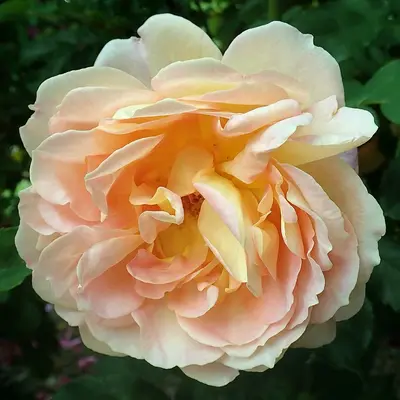
A stunning English climbing rose from David Austin that combines old-world charm with modern performance. Features exquisite chalice-shaped blooms in warm salmon-orange that fade to soft pink, with an intense fruity fragrance reminiscent of tea and spices. This vigorous climber produces continuous flushes of blooms throughout the season and shows excellent disease resistance.
Sun
Full sun
Zones
5–11
USDA hardiness
Height
1-8 feet
Planting Timeline
Showing dates for Climbing Rose - Lady of Shalott in USDA Zone 7
All Zone 7 rose →Zone Map
Click a state to update dates
Climbing Rose - Lady of Shalott · Zones 5–11
Growing Details
Complete Growing Guide
Lady of Shalott roses are typically propagated through grafted canes rather than seed, making them easier for home gardeners to establish. If you purchase a bare-root specimen, plan your planting for late fall through early spring, ideally four to six weeks before your last spring frost. Potted roses can be planted anytime during the growing season, though spring and fall plantings give the plant optimal conditions to establish before summer heat or winter dormancy. Avoid planting during extreme temperature fluctuations or drought stress.
This vigorous climber thrives with proper spacing—plant at least three to four feet from walls, fences, or trellises to allow air circulation around the base, which helps prevent fungal issues. Prepare soil by amending with aged compost or well-rotted manure to a depth of twelve to eighteen inches, ensuring excellent drainage since Lady of Shalott, despite its vigor, dislikes waterlogged roots. Add bone meal to the planting hole to encourage strong root development and future flowering.
Water deeply and consistently during the first growing season, aiming for one to two inches per week depending on rainfall and temperature. Once established, this variety is moderately drought-tolerant, but performs best with regular moisture during bloom cycles. Feed monthly from spring through early fall with a balanced rose fertilizer or one slightly higher in phosphorus to encourage continuous flowering throughout the season. Reduce feeding by late summer to harden off growth before winter.
Lady of Shalott shows excellent disease resistance overall, but keep watch for downy mildew during periods of high humidity and cool nights—improve air circulation and avoid overhead watering to minimize risk. Aphids frequently target the tender new growth on vigorous climbing roses like this one, so monitor regularly and spray with horticultural oil or insecticidal soap at first sight. Spider mites thrive in hot, dry conditions, while Japanese beetles may skeletonize foliage in mid to late summer; handpick beetles in early morning and consider pheromone traps if populations become problematic.
Pruning is essential for training this rose into an effective climber and maintaining health. After the first year, tie lateral canes nearly horizontally to encourage flowering shoots along their length rather than only at the top. Remove dead or diseased wood in early spring, and trim back side shoots by two-thirds after each bloom flush to stimulate repeat flowering. This cultivar will produce multiple waves of flowers if spent blooms are deadheaded promptly.
One critical mistake gardeners make with Lady of Shalott is planting it too close to structures or in locations with poor air movement. This vigorous rose demands space to sprawl and breathe, and crowding it against a wall invites fungal diseases despite its strong resistance. Give it room to reach its full potential, and this David Austin treasure will reward you with its signature salmon-orange chalice blooms and spiced-tea fragrance for years.
Harvesting
The Lady of Shalott reaches peak harvest readiness when the outer petals have unfurled to reveal the full chalice form and the blooms display their characteristic salmon-orange hue transitioning toward soft pink at the petal edges. Gently squeeze the bloom near the base—it should yield slightly to pressure but still feel firm, indicating optimal ripeness. Unlike single-flush roses, this David Austin cultivar produces continuous blooms throughout the growing season, allowing repeated harvests every few days during peak flowering. For best results, cut stems in early morning when the flowers are fully hydrated, selecting blooms that have just completed their opening stage to maximize vase life while capturing the rose's intense fruity fragrance at its strongest.
The accessory fruit is called a hip and forms after the flowers finish blooming. The hip will appear under the sepals of where the flower was after the flower dies. They will turn from green to red. They are filled with many achenes surrounded by irritating hairs.
Color: Green, Red/Burgundy. Type: Achene. Length: < 1 inch. Width: < 1 inch.
Garden value: Showy
Harvest time: Fall
Edibility: The fruit (called the hip) is edible.
Storage & Preservation
For cut blooms, store in a cool room (65-72°F) away from direct sunlight and ripening fruit. Keep stems in fresh, clean water with flower food, changing water every 2-3 days. Optimal humidity is 50-60%. Cut roses typically last 7-10 days indoors. Preservation methods: (1) Air-dry by hanging stems upside-down in a dark, well-ventilated space for 2-3 weeks to create dried roses for arrangements; (2) Press petals between parchment paper under heavy books for 1-2 weeks to preserve for potpourri or crafts; (3) Freeze petals in ice cubes with water for decorative use in beverages.
History & Origin
Created by renowned English rose breeder David Austin, the Lady of Shalott was introduced as part of his modern English roses line, which blends heritage rose characteristics with contemporary vigor and disease resistance. Austin's breeding philosophy emphasized combining the romantic aesthetics and fragrance of old garden roses with the repeat-flowering capability and hardiness of modern varieties. While specific parentage documentation for this particular cultivar remains limited in public sources, it exemplifies Austin's signature approach of selecting for chalice-form blooms, intense fragrance, and climbing or shrubby growth habits. The variety's name references Alfred, Lord Tennyson's poem, reflecting Austin's practice of literary references for his rose introductions, cementing the Lady of Shalott within the broader narrative of contemporary English rose breeding.
Origin: Temp. & Subtropical Northern Hemisphere (such as Europe & Asia)
Advantages
- +Stunning salmon-orange blooms fade beautifully to soft pink tones
- +Intense fruity fragrance with tea and spice notes
- +Continuous flowering throughout the season with vigorous growth
- +Excellent disease resistance with David Austin's modern breeding
- +Easy to moderate difficulty makes it accessible for most gardeners
Considerations
- -Susceptible to aphids, thrips, spider mites, and Japanese beetles
- -Downy mildew can develop in consistently humid conditions
- -Requires regular deadheading to maintain continuous blooming performance
- -Salmon-orange color may fade quickly in intense afternoon sun
Companion Plants
Lavender and catmint are the most practical companions here. Both are comfortable in the same well-drained soil at pH 6.0–7.0, so there's no real resource conflict, and their volatile oils tend to confuse aphids and thrips before those pests even land. Marigolds pull a different trick — French marigolds (Tagetes patula) release thiophenes from their roots that suppress soil nematodes — and garlic's sulfur compounds have a mild deterrent effect on Japanese beetles, which will absolutely find this rose if you give them the chance.
Black walnut is the companion to exclude without debate. Its roots produce juglone, a compound that interferes with cellular respiration in many plants, and the affected zone in the soil extends well past what you'd guess from the canopy edge. Large trees generally cause trouble for a different reason: root competition and shade. Lady of Shalott needs 6 or more hours of direct sun to bloom well, and even a partial canopy overhead traps the humidity that invites downy mildew during wet stretches.
Plant Together
Lavender
Repels aphids, spider mites, and other rose pests while attracting beneficial pollinators
Marigolds
Deters nematodes, aphids, and whiteflies while adding vibrant color contrast
Garlic
Natural fungicide properties help prevent black spot and powdery mildew on roses
Catmint
Repels aphids, ants, and rodents while attracting beneficial insects
Alliums
Strong scent deters aphids, thrips, and other soft-bodied insects
Clematis
Shares similar growing conditions and provides complementary vertical interest
Parsley
Attracts beneficial insects like hoverflies that prey on aphids
Geraniums
Natural pest deterrent and helps mask rose scent from harmful insects
Keep Apart
Black Walnut Tree
Releases juglone toxin that inhibits rose growth and can cause yellowing and death
Large Trees
Compete for nutrients and water while creating excessive shade that reduces blooming
Brassicas
Heavy feeders that compete for nutrients and may attract pests that also damage roses
Pests & Disease Resistance
Resistance
Excellent resistance to black spot, powdery mildew, and rust
Common Pests
Aphids, thrips, spider mites, Japanese beetles
Diseases
Generally disease resistant, occasional downy mildew in humid conditions
Troubleshooting Climbing Rose - Lady of Shalott
What you'll see, why it happens, and what to do about it.
Dark circular spots on leaves with irregular, feathered edges; leaves yellowing and dropping — can appear as early as mid-spring in wet years
Likely Causes
- Black spot (Diplocarpon rosae) — a fungal disease that thrives when leaves stay wet overnight
- Watering overhead in the evening, extending leaf wetness into the morning
What to Do
- 1.Strip and trash (don't compost) all affected leaves, and clean up any fallen leaves around the base
- 2.Water at the base of the plant only, and do it in the morning so foliage stays dry through the day
- 3.Mulch around the canes in late winter to cut down on spore splash from soil; prune out any cane infections at the same time — NC State Extension lists both as front-line cultural controls for black spot
New canes covered in dense, abnormal thorns; elongated shoots that hold their red juvenile color weeks past normal; or tight clusters of stunted, broom-like growth
Likely Causes
- Rose Rosette Disease (Rose rosette virus), vectored by the eriophyid mite Phyllocoptes fructiphilus
- Excessive thorniness is the most reliable single indicator — NC State Extension flags it as a sure sign of RRD, even when other symptoms haven't developed yet
What to Do
- 1.There is no cure — dig out the entire plant, roots included, and bag it for the trash
- 2.Don't leave infected canes or root pieces on-site; the mite vector moves easily to nearby roses
- 3.Inspect any replacement plants carefully before purchase and hold off replanting a rose in that spot for at least one full season