Climbing Rose - Fourth of July
Rosa 'Fourth of July'
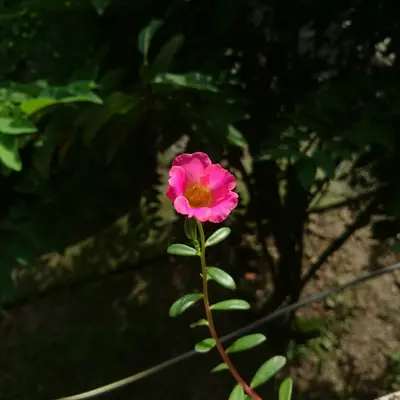
A spectacular climbing rose that creates a patriotic display with its unique red and white striped blooms that appear throughout the growing season. This All-America Rose Selection winner combines eye-catching bi-color flowers with excellent disease resistance and vigorous climbing habit. Each bloom is different, with varying patterns of red stripes and splashes on white petals, making every flower a delightful surprise.
Sun
Full sun
Zones
5–11
USDA hardiness
Height
1-8 feet
Planting Timeline
Showing dates for Climbing Rose - Fourth of July in USDA Zone 7
All Zone 7 rose →Zone Map
Click a state to update dates
Climbing Rose - Fourth of July · Zones 5–11
Growing Details
Complete Growing Guide
Climbing Rose 'Fourth of July' begins its journey best through bare-root canes planted in early spring, roughly two to three weeks before your area's last frost date. This timing allows the plant to establish roots during cool, moist conditions before summer heat arrives. If purchasing container-grown specimens, you can plant them anytime during the growing season, though spring and fall are ideal. Avoid starting from seed, as this cultivar is a hybrid that won't reproduce true to type.
Space your 'Fourth of July' climber at least three feet away from walls, fences, or support structures to ensure adequate air circulation—critical for this striped beauty's disease resistance. Plant in well-draining soil enriched with aged compost or rose-specific fertilizer worked into a generous planting hole. Set the plant so the graft union (where the variety was budded onto rootstock) sits just above soil level in cold climates, or slightly below in warmer zones. The striped blooms perform best in full sun, requiring at least six hours of direct light daily to develop their brilliant red-and-white coloration.
Water deeply and regularly throughout the growing season, aiming for consistent moisture without waterlogging. In hot summers, this vigorous climber may need water twice weekly. Begin feeding in early spring with a balanced rose fertilizer, then switch to a bloom-boosting formula (higher phosphorus) once flowering begins. Continue feeding every four to six weeks through mid-summer, stopping by late August to allow the plant to harden off for winter.
This particular cultivar attracts Japanese beetles and aphids with notable vigor—scout weekly during peak beetle season and remove by hand if populations are light, or use targeted insecticide if infestations become severe. Spider mites love the warm, dry conditions around vigorous climbing roses, so maintain that generous spacing and avoid overhead watering, which can stress the plant and encourage mites. While 'Fourth of July' boasts excellent disease resistance, gardeners in humid climates should watch for rust, especially on lower foliage; improve air flow and remove affected leaves promptly.
Pruning requires a light touch with climbers. In late winter, remove only dead or diseased canes, then tie new growth horizontally along your support structure—this encourages more lateral blooming shoots and fuller coverage. Deadhead spent flowers throughout summer to fuel continuous blooming, a hallmark of this All-America Rose Selection winner.
The mistake most gardeners make with 'Fourth of July' is planting it too close to structures or other plants, thinking the climber's vigor demands dense support. This cultivar's exceptional disease resistance only works if air moves freely around the canes. Give it breathing room, and it rewards you with months of surprising, uniquely striped red-and-white blooms that live up to its patriotic name.
Harvesting
Peak readiness for Fourth of July roses occurs when the outer petals begin unfurling and reveal the distinctive red striping pattern on white petals, typically when blooms reach two to three inches in diameter. Gently squeeze the base of each flower—a slight give indicates optimal firmness for cutting. This cultivar produces continuous blooms throughout the growing season, so harvest frequently to encourage more flowering rather than waiting for a single peak moment. The best timing tip: cut roses in early morning when stems are fully hydrated, selecting blooms where the inner petals still show some tightness to extend vase life, as Fourth of July roses continue opening after cutting and display their striped beauty more dramatically over several days indoors.
The accessory fruit is called a hip and forms after the flowers finish blooming. The hip will appear under the sepals of where the flower was after the flower dies. They will turn from green to red. They are filled with many achenes surrounded by irritating hairs.
Color: Green, Red/Burgundy. Type: Achene. Length: < 1 inch. Width: < 1 inch.
Garden value: Showy
Harvest time: Fall
Edibility: The fruit (called the hip) is edible.
Storage & Preservation
Cut blooms last 5-7 days in a cool location away from direct sunlight. Store in a vase with fresh, cool water (65-72°F) and replace water every 2-3 days. Keep away from ripening fruit and direct heat sources. For extended enjoyment, preserve stems by air-drying in bundles hung upside-down in a dark, well-ventilated space for 2-3 weeks to create dried arrangements. Alternatively, press individual petals between parchment paper weighted with books for 1-2 weeks to create decorative keepsakes or potpourri.
History & Origin
This climbing rose was bred by Tom Carruth at Weeks Roses in California and introduced in 1999, earning All-America Rose Selection recognition in 2000. Carruth, known for developing innovative bicolor and striped roses, created 'Fourth of July' to commemorate American independence through its striking red-and-white striped blooms. The variety represents a significant achievement in climbing rose breeding, combining the vigorous growth habit necessary for vertical gardening with reliable disease resistance and continuous flowering. While specific parentage details are not widely documented in public sources, the rose exemplifies the late-twentieth-century trend toward breeding ornamental climbers with improved health and ornamental characteristics beyond traditional climbing varieties.
Origin: Temp. & Subtropical Northern Hemisphere (such as Europe & Asia)
Advantages
- +Stunning red and white striped blooms create patriotic visual interest all season
- +Each flower's unique pattern variation makes every bloom a delightful surprise
- +All-America Rose Selection winner with excellent disease resistance and vigor
- +Light apple fragrance adds pleasant sensory appeal to climbing displays
- +Vigorous climbing habit quickly covers structures and creates dramatic garden statements
Considerations
- -Japanese beetles and aphids frequently pest this variety requiring active management
- -Rust fungus can develop in humid climates despite generally disease-resistant nature
- -Moderate difficulty level requires experience and consistent care for optimal performance
- -Striping pattern unpredictability means some blooms may disappoint compared to others
Companion Plants
Lavender and catmint planted at the base of a Fourth of July trellis pull their weight — both emit volatile oils that confuse and deter aphids, and their bloom timing overlaps with the rose's repeat flushes through summer. Garlic and other alliums add sulfur compounds to the mix, which discourage both aphids and Japanese beetles during that damaging 4-to-6-week adult window in June and July. They stay compact at 12–18 inches, so they don't shade out the 6+ hours of sun this climber depends on. Marigolds (Tagetes spp.) nearby draw in parasitic wasps and lacewings that keep aphid populations from getting ahead of you.
The harmful companions are a different kind of problem. Around here in the southeast, old black walnuts (Juglans nigra) are a fixture at property lines and field edges — the issue is juglone, a root-zone toxin that leaches through the soil and causes wilting and dieback in roses planted anywhere near the drip line. Large trees don't poison the rose outright, but they compete aggressively for water and cut available light fast enough that you'll see it in thin cane growth and a bloom count that never quite hits what the tag promised.
Plant Together
Lavender
Repels aphids, moths, and other rose pests while attracting beneficial pollinators
Marigolds
Deters nematodes and aphids, natural pest control for roses
Garlic
Repels aphids, Japanese beetles, and helps prevent fungal diseases
Catmint
Repels aphids and ants while attracting beneficial insects
Alliums
Strong scent deters aphids, thrips, and other common rose pests
Clematis
Complementary climbing partner that shares similar growing conditions
Parsley
Attracts beneficial insects like hoverflies that prey on aphids
Rosemary
Repels beetles and other pests, drought-tolerant companion
Keep Apart
Black Walnut
Produces juglone toxin that inhibits rose growth and can cause wilting
Large Trees
Compete for nutrients and water, create excessive shade reducing flowering
Brassicas
Heavy feeders that compete for nutrients, may stunt rose growth
Pests & Disease Resistance
Resistance
Excellent resistance to black spot, powdery mildew, and downy mildew
Common Pests
Japanese beetles, aphids, spider mites
Diseases
Generally disease resistant, rare issues with rust in humid climates
Troubleshooting Climbing Rose - Fourth of July
What you'll see, why it happens, and what to do about it.
Dark spots on leaves with irregular, feathered edges; leaves yellowing and dropping, sometimes starting mid-summer
Likely Causes
- Black spot (Diplocarpon rosae) — overwinters on fallen leaves and infected canes, splashes up during rain or overhead watering
- Poor air circulation from dense planting or unpruned canes
What to Do
- 1.Rake up and trash all fallen leaves — do not compost them, per NC State Extension's guidance on infected plant material
- 2.Water at the base of the plant only, and water in the morning so leaves dry before nightfall
- 3.In late winter, prune out cane infections going 4 to 6 inches into clean wood and sanitize your shears between every cut
New shoots with excessive thorniness, or young canes staying red and elongated well past the juvenile stage, sometimes with a witches'-broom cluster of distorted growth
Likely Causes
- Rose rosette disease (RRD), caused by Rose rosette virus and vectored by the eriophyid mite Phyllocoptes fructiphilus
- Witches'-broom alone can also result from accidental low-dose glyphosate drift — look for the other RRD symptoms before pulling the plant
What to Do
- 1.If hyper-thorniness, red shoot retention, and distorted growth appear together, dig and remove the entire plant including roots — there is no cure
- 2.Bag the plant before carrying it out of the garden to avoid mite transfer to neighboring roses
- 3.Scout nearby wild multiflora rose (Rosa multiflora), which is a known RRD reservoir, and remove it if you can
Leaves skeletonized or chewed between the veins, with clusters of metallic-green beetles on the blooms and foliage in June and July
Likely Causes
- Japanese beetles (Popillia japonica) — adults feed for 4 to 6 weeks in summer, and Fourth of July's open blooms are particularly attractive to them
What to Do
- 1.Knock beetles into a bucket of soapy water in the early morning when they're sluggish — tedious, but it doesn't harm beneficials
- 2.Skip the Japanese beetle bag traps near the rose; they attract more beetles than they catch
- 3.For heavy pressure, apply an azadirachtin-based product as a feeding deterrent, reapplying after each rain