Climbing Rose - Eden
Rosa 'Eden' (Pierre de Ronsard)
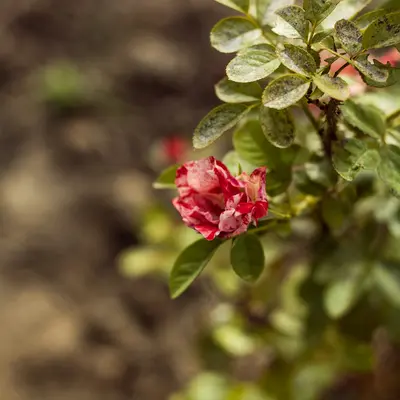
A stunning climber that transforms garden walls and pergolas with its romantic, old-fashioned blooms. Each flower displays creamy white petals beautifully edged with pink to rose tones, creating an enchanting cottage garden effect. This vigorous French rose combines classic beauty with modern disease resistance, making it perfect for gardeners seeking dramatic vertical impact.
Sun
Full sun
Zones
5–11
USDA hardiness
Height
1-8 feet
Planting Timeline
Showing dates for Climbing Rose - Eden in USDA Zone 7
All Zone 7 rose →Zone Map
Click a state to update dates
Climbing Rose - Eden · Zones 5–11
Growing Details
Complete Growing Guide
Rosa 'Eden' thrives best when planted in early spring, after your last frost date has passed and soil temperatures reach at least 50°F. Unlike many perennials, roses are not typically started from seed indoors; instead, purchase bare-root or container-grown specimens from a reputable nursery and plant directly into your garden. This French climber establishes faster when given time to acclimate to outdoor conditions rather than being transplanted from indoor sowing. Early spring planting allows the root system to develop throughout the growing season, supporting vigorous cane production for flowering by mid-summer.
When preparing your planting site, choose a location receiving at least six hours of direct sunlight daily, preferably eight or more, as this variety performs best with abundant light. Space individual plants 6 to 8 feet apart if establishing a row along a wall or pergola, allowing room for mature canes to spread without crowding. Dig a planting hole slightly larger than the root ball, amending the native soil with aged compost or well-rotted manure to improve drainage and nutrient content. Rosa 'Eden' prefers slightly acidic to neutral soil with pH between 6.0 and 6.5. Plant at the same depth the rose arrived at, avoiding burying the graft union unless you prefer to encourage own-rooted growth.
Water deeply immediately after planting, then establish a consistent schedule of 1 to 1.5 inches weekly throughout the growing season. Morning watering is essential to minimize powdery mildew risk, a persistent problem for this variety in humid climates. Apply water directly to the soil rather than overhead to keep foliage dry. Begin feeding in early spring with a balanced rose fertilizer, then switch to a higher-phosphorus formula once flowering begins. Continue feeding every four to six weeks until late summer, stopping by early fall to allow the plant to harden off for winter.
This vigorous climber demands sturdy support; install trellises, pergolas, or wall-mounted frameworks before planting. Unlike shrub roses, climbers require training—gently tie young canes horizontally to encourage lateral flowering shoots. Prune only after flowering concludes, removing dead or diseased wood and thinning crowded canes to improve air circulation. Light deadheading throughout the season encourages repeat blooming.
Watch vigilantly for spider mites and aphids, which exploit stressed plants; spider mites particularly favor hot, dry conditions near south-facing walls. Inspect leaf undersides regularly and spray with water if populations develop. Rosa 'Eden' shows good disease resistance compared to old garden roses, but black spot and powdery mildew still demand prevention through proper spacing and moisture management.
The most common mistake gardeners make is insufficient pruning and training. Rosa 'Eden' produces abundant foliage that requires aggressive thinning to prevent fungal disease and ensure large, showy blooms rather than sparse flowering on tangled canes.
Harvesting
Harvest Climbing Rose 'Eden' blooms when the outer petals have transitioned from their creamy white base to display prominent pink-to-rose edging, indicating full maturity of the flower's distinctive coloring. The bloom should feel firm yet slightly yielding when gently squeezed, and petals should begin unfurling from the center without appearing papery. This cultivar produces flowers continuously throughout the growing season rather than in a single flush, allowing for repeated harvests every few days during peak bloom. Cut stems in early morning when the plant has maximum hydration, selecting flowers just as the outer petals begin to reflex backward, which ensures they'll open beautifully in the vase while maintaining their romantic, old-fashioned appearance for extended enjoyment.
The accessory fruit is called a hip and forms after the flowers finish blooming. The hip will appear under the sepals of where the flower was after the flower dies. They will turn from green to red. They are filled with many achenes surrounded by irritating hairs.
Color: Green, Red/Burgundy. Type: Achene. Length: < 1 inch. Width: < 1 inch.
Garden value: Showy
Harvest time: Fall
Edibility: The fruit (called the hip) is edible.
Storage & Preservation
Climbing roses like Eden are ornamental flowers best enjoyed fresh in water arrangements rather than stored for consumption. Display cut stems in a clean vase filled with fresh, cool water (65-72°F), changing water every 2-3 days to extend vase life to 7-10 days. Keep away from direct sunlight, heat, and ripening fruit. For preservation, try air-drying by hanging stems upside-down in a dark, well-ventilated space for 1-2 weeks, creating long-lasting dried arrangements. Alternatively, press individual petals between paper in a heavy book for 2-3 weeks to preserve for crafts or potpourri. Silica gel drying offers rapid preservation (3-5 days) while maintaining color vibrancy.
History & Origin
Pierre de Ronsard, also known as 'Eden,' was bred by the French rose breeder Meilland in 1985 and introduced internationally as a climbing sport of the shrub rose. The variety emerged from Meilland's extensive hybridization program, which has long focused on developing disease-resistant roses combining historical charm with modern horticultural standards. Though documentation regarding its exact parent genetics remains limited in readily available sources, the rose reflects Meilland's signature approach of crossing old garden rose characteristics with contemporary vigor. This French heritage and commercial introduction established 'Eden' as a significant ornamental climber, particularly valued in European gardens for its romantic aesthetic and reliable performance.
Origin: Temp. & Subtropical Northern Hemisphere (such as Europe & Asia)
Advantages
- +Stunning bicolor blooms with creamy white petals edged in pink tones
- +Vigorous climbing habit provides dramatic vertical garden coverage and impact
- +Modern disease resistance combined with classic old-fashioned romantic flower appearance
- +Light, sweet fragrance adds sensory appeal to garden spaces
- +Moderate difficulty makes it accessible for intermediate gardeners
Considerations
- -Susceptible to multiple diseases including black spot, powdery mildew, and rust
- -Requires consistent monitoring and treatment for aphids, thrips, and spider mites
- -Moderate difficulty rating suggests it demands more care than easy varieties
Companion Plants
Lavender and catmint are the most practical companions here — both deter aphids and thrips through scent, they share Eden's preference for well-drained soil at pH 6.0–7.0, and neither will shade it out at 18–24 inches tall. Garlic and chives planted at the base reinforce that effect; the sulfur compounds in alliums are genuinely irritating to aphids and take up almost no root space underneath a climber. Tagetes marigolds at the front edge of the bed pull double duty by deterring soil nematodes. Fennel is the one to keep well clear of — its root exudates suppress a wide range of neighboring plants, and 6 feet is a minimum buffer. Black walnut is a harder no: juglone persists in the soil even after the tree is gone, and roses are among the more sensitive species to it.
Plant Together
Lavender
Repels aphids, ants, and moths while attracting beneficial pollinators
Marigold
Deters nematodes, aphids, and whiteflies with natural pest-repelling compounds
Garlic
Repels aphids, spider mites, and Japanese beetles with strong sulfur compounds
Chives
Natural fungicide properties help prevent black spot and powdery mildew
Catmint
Deters ants, aphids, and rodents while attracting beneficial insects
Allium
Repels aphids and thrips, reduces fungal diseases around rose roots
Parsley
Attracts beneficial insects like hoverflies that prey on rose pests
Clematis
Compatible climbing companion that shares similar growing conditions
Keep Apart
Black Walnut
Releases juglone toxin that inhibits rose growth and can cause wilting
Large Trees
Compete for nutrients and water, create excessive shade reducing flowering
Fennel
Allelopathic properties inhibit growth of roses and most garden plants
Pests & Disease Resistance
Resistance
Good resistance to black spot and powdery mildew
Common Pests
Aphids, thrips, Japanese beetles, spider mites
Diseases
Black spot, powdery mildew, rust, canker
Troubleshooting Climbing Rose - Eden
What you'll see, why it happens, and what to do about it.
Dark spots with feathered or irregular edges on leaves, followed by yellowing and leaf drop — can start as early as late spring
Likely Causes
- Black spot (Diplocarpon rosae) — a fungal disease that splashes up from soil or infected fallen leaves during rain or overhead watering
- Poor air circulation from crowded planting or unpruned canes
What to Do
- 1.Strip and trash (don't compost) all affected leaves and any fallen debris around the base
- 2.Mulch around the plant in late winter to reduce splash transmission from the soil
- 3.Water at the base only — NC State Extension notes that extending nighttime leaf wetness into morning or evening accelerates this disease considerably
- 4.In winter, prune out any cane infections you can spot before new growth starts
New shoots are extremely thorny, abnormally elongated, and hold a deep red color long past the juvenile stage — sometimes with a broom-like cluster of distorted growth at the tips
Likely Causes
- Rose rosette disease (Rose rosette virus), transmitted by the microscopic eriophyid mite Phyllocoptes fructiphilus
- Witches'-broom symptoms can occasionally be confused with glyphosate drift damage — NC State Extension flags this as a known look-alike
What to Do
- 1.Excessive thorniness on new growth is the most reliable diagnostic sign — if you see it, dig and bag the entire plant immediately; there is no cure
- 2.Manage mite populations on nearby wild multiflora rose (Rosa multiflora), which is the primary reservoir for this virus
- 3.Wait at least one full season before replanting a rose in the same spot
White or gray powdery coating on new leaves, buds, and shoot tips, often appearing in late spring or again in late summer
Likely Causes
- Powdery mildew (Podosphaera pannosa) — thrives when warm days are followed by cool nights, especially on soft new growth
- Excess nitrogen fertilizer pushing tender flushes of growth that Podosphaera pannosa colonizes readily
What to Do
- 1.Cut back and dispose of the worst-affected shoots — don't leave clippings at the base
- 2.Ease off nitrogen heading into late summer; a hard flush of new growth at that point is more liability than asset on Eden
- 3.Open up the center of the plant with a light pruning pass — Eden's densely cupped blooms already trap humidity against the canes, so airflow matters more here than on single-form roses