Climbing Rose - Don Juan
Rosa 'Don Juan'
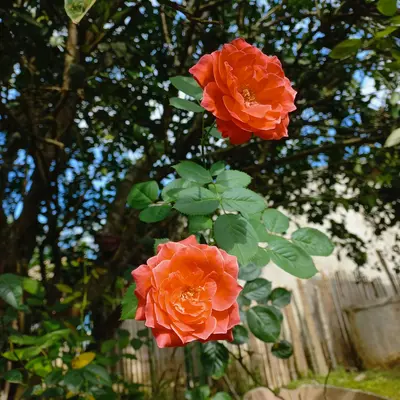
A spectacular climbing rose that produces deep, velvety red blooms with an intoxicating fragrance throughout the growing season. The classic hybrid tea-shaped flowers are perfectly formed and hold their rich color without fading, making this climber ideal for arbors, fences, and pergolas. Don Juan combines the elegance of a hybrid tea with the vigor and coverage of a true climbing rose.
Sun
Full sun
Zones
5–9
USDA hardiness
Height
8-14 feet
Planting Timeline
Showing dates for Climbing Rose - Don Juan in USDA Zone 7
All Zone 7 rose →Zone Map
Click a state to update dates
Climbing Rose - Don Juan · Zones 5–9
Growing Details
Complete Growing Guide
Don Juan climbers require sturdy support structures from the outset, as their vigorous growth can reach 14 feet and become unwieldy without proper training. Unlike shrub roses, this cultivar benefits from horizontal training of canes in early spring to encourage lateral flowering shoots rather than vertical growth alone. Don Juan is moderately susceptible to powdery mildew and black spot, particularly in humid climates, so ensure excellent air circulation around the plant and avoid overhead watering. This rose produces exceptional blooms when given consistent moisture during growing season and benefits from deadheading spent flowers to maintain continuous flowering through fall. One practical tip: prune immediately after the final frost to remove winter-damaged canes and shape the framework, then reserve heavy pruning for late winter before new growth emerges, as this cultivar flowers on both old and new wood.
Light: Full sun (6 or more hours of direct sunlight a day). Soil: Loam (Silt). Soil pH: Acid (<6.0), Neutral (6.0-8.0). Drainage: Good Drainage, Moist. Height: 8 ft. 0 in. - 14 ft. 0 in.. Spread: 4 ft. 0 in. - 8 ft. 0 in.. Spacing: 3 feet-6 feet. Growth rate: Medium. Maintenance: Medium. Regions: Coastal, Mountains, Piedmont.
Harvesting
Peak readiness for Don Juan roses occurs when the outer petals begin to unfurl slightly while the bloom still maintains its deep crimson hue without any browning or darkening at the petal edges. The flowers should feel soft and yielding to gentle pressure, indicating full hydration and maturity. This climbing rose produces blooms continuously throughout the growing season rather than in single flushes, allowing for regular harvesting every few days once flowering begins. For optimal vase life and fragrance intensity, cut blooms in early morning after dew has dried but before afternoon heat stress, selecting stems with at least three sets of leaves below the cut to encourage robust regrowth and future flowering.
Bloom time: Fall, Spring, Summer
Storage & Preservation
Fresh cut Don Juan roses last 7-10 days in a clean vase with fresh, cool water changed every 2-3 days. Keep blooms out of direct sunlight and away from ripening fruit and vegetables, which produce ethylene gas that shortens vase life. Store at 65-70°F for maximum longevity. For longer preservation, dry petals by spreading them on paper in a warm, dark, well-ventilated space for 1-2 weeks until papery and brittle. Use dried petals for potpourri, sachets, or craft projects—ensure plants were grown without synthetic pesticides. Alternatively, press petals between newspaper under heavy weight for 3-4 weeks to create bookmarks or decorative elements. Rose water can be made by infusing fresh petals in water and leaving in sunlight for several days, then straining and refrigerating; it keeps about 2 weeks and is useful in crafts or as a room freshener.
History & Origin
Climbing Rose - Don Juan (Rosa 'Don Juan') is a cultivar grown commercially. See category-level varieties for general species history and origin information.
Advantages
- +Deep velvety red blooms with intoxicating fragrance throughout the growing season
- +Classic hybrid tea-shaped flowers maintain rich color without fading over time
- +Vigorous climbing habit provides excellent coverage for arbors, fences, and pergolas
- +Combines elegant hybrid tea form with the vigor of true climbing roses
Considerations
- -Susceptible to multiple diseases including black spot, powdery mildew, canker, and rust
- -Requires regular monitoring and treatment for aphids, spider mites, and Japanese beetles
- -Moderate difficulty level demands consistent pruning and maintenance for optimal performance
Companion Plants
Lavender, catmint, and marigolds are the workhorses here. All three stay low enough that they won't compete with Don Juan's root zone, and they draw in parasitic wasps and hoverflies that knock back aphid populations before they colonize new canes. Garlic and other alliums pull similar duty — their sulfur compounds are thought to confuse aphids and may suppress some fungal spore germination at the soil surface, though the evidence is more observational than clinical. In our zone 7 Georgia gardens, I also lean on geraniums as a border planting specifically because Japanese beetles will preferentially feed on them and become temporarily immobilized, making hand-picking straightforward during peak beetle season in June and July.
The plants to keep away are less obvious. Black walnut releases juglone and can stunt or kill roses planted within its root zone — a real problem on older Georgia properties with established trees. Large shade trees are a different issue: they'll outcompete Don Juan for the 6+ hours of direct sun this climber needs to set flower buds reliably, and their surface roots will pull moisture away during dry stretches. Boxwood sits close enough to roses in most mixed beds that the crossover disease pressure becomes a genuine management headache you don't need.
Plant Together
Lavender
Repels aphids, spider mites, and other rose pests while attracting beneficial pollinators
Marigold
Deters nematodes, aphids, and whiteflies that commonly attack roses
Garlic
Natural fungicide properties help prevent black spot and powdery mildew on roses
Clematis
Classic climbing companion that shares similar growing conditions and extends blooming season
Catmint
Repels aphids, ants, and rodents while attracting beneficial insects
Alliums
Strong scent deters aphids, thrips, and other soft-bodied insects harmful to roses
Parsley
Attracts beneficial insects like hoverflies that prey on rose aphids
Geranium
May repel Japanese beetles and other rose pests through natural compounds
Keep Apart
Black Walnut
Produces juglone toxin that inhibits rose growth and can cause yellowing and death
Large Trees
Compete heavily for nutrients and water, create excessive shade limiting rose blooming
Boxwood
Shallow root system competes with roses for surface nutrients and moisture
Pests & Disease Resistance
Resistance
Good disease resistance, fairly tolerant of black spot and mildew
Common Pests
Aphids, spider mites, scale insects, Japanese beetles
Diseases
Black spot, powdery mildew, canker, rust
Troubleshooting Climbing Rose - Don Juan
What you'll see, why it happens, and what to do about it.
Dark spots with irregular, 'feathered' edges on leaves, followed by yellowing and leaf drop — often starting mid-summer
Likely Causes
- Black spot (Diplocarpon rosae) — a fungal disease that spreads via spores splashing up from infected leaf debris on the soil
- Overhead watering that keeps foliage wet into evening hours
- Poor air circulation from crowded planting or unpruned canes
What to Do
- 1.Strip and bag (don't compost) all affected leaves, and rake up any fallen ones from the soil surface
- 2.Mulch 2-3 inches deep around the base to stop soil splash; lay it down in late winter before the season starts
- 3.Water at the base only — drip or soaker hose — and water in the morning so foliage stays dry overnight
- 4.Prune out cane infections in winter and open up the plant's interior for better airflow; NC State Extension's IPM guidance specifically lists all of these as the front-line cultural controls for susceptible cultivars like Don Juan
New canes with abnormal red coloration that doesn't fade, excessive thorniness, or distorted shoot proliferation (witches'-broom appearance)
Likely Causes
- Rose Rosette Disease (RRD), caused by Rose rosette virus and transmitted by the eriophyid mite Phyllocoptes fructiphylus
- Glyphosate drift at low doses can produce nearly identical witches'-broom symptoms — rule that out before condemning the plant
What to Do
- 1.Look for the combination of hyper-thorniness AND red-retained new shoots — either alone is suggestive, but both together is a strong indicator per NC State Extension's disease guidance
- 2.There is no cure; remove and destroy the entire plant promptly to prevent mite transmission to neighboring roses
- 3.Do not replant a rose in the same spot for at least one season, and inspect any new plants carefully before purchase
Frequently Asked Questions
How long does it take Don Juan climbing rose to bloom?▼
Is Don Juan climbing rose good for beginners?▼
Can you grow Don Juan climbing rose in a container or pot?▼
When should I plant Don Juan climbing rose?▼
How much fragrance does Don Juan rose have compared to other climbers?▼
What support structure does Don Juan climbing rose need?▼
Zone-by-Zone Planting Calendar
Growing Guides from Wind River Greens
Sources & References
External authority sources used in compiling this guide.
- ExtensionNC State Extension
See the Methodology page for how this data is sourced, what's AI-assisted, and known limitations.