Black Beauty
Rosa 'Black Beauty'
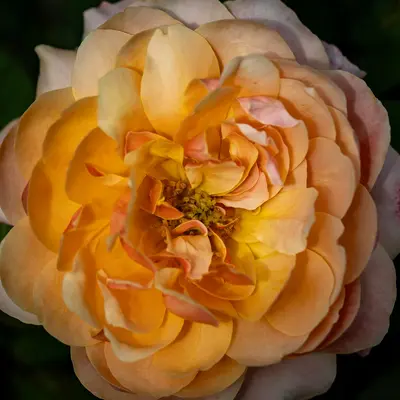
Black Beauty is a classic heirloom rose prized for its deep crimson, nearly black petals and exceptional damask fragrance. This moderate-to-challenging variety reaches peak maturity at 90-100 days, producing full, quartered blooms with strong, rich notes characteristic of heritage roses. Its defining feature is the intense, complex scent—a signature damask profile—making it ideal for cutting and fragrance applications rather than consumption.
Harvest
90-100d
Days to harvest
Sun
Full sun
Zones
4–11
USDA hardiness
Height
2-3 feet
Planting Timeline
Showing dates for Black Beauty in USDA Zone 7
All Zone 7 rose →Zone Map
Click a state to update dates
Black Beauty · Zones 4–11
Growing Details
Complete Growing Guide
Black Beauty roses are best started from bare-root canes or container-grown plants rather than seed, as hybrid tea roses do not breed true from seed. Order bare-root canes in late winter for spring planting, timing your installation about two weeks after your last frost date when soil can be worked easily. If you're using container plants from a nursery, you have more flexibility and can plant them anytime during the growing season, though spring and early fall are ideal. Container roses should be hardened off gradually before planting in their final location.
Space Black Beauty plants at least three feet apart to allow excellent air circulation, which is particularly important for this variety's susceptibility to fungal issues. Prepare your soil with generous organic matter worked into the top eight to twelve inches—hybrid tea roses are heavy feeders and benefit from rich, well-draining soil with a pH between 6.0 and 6.5. Create a planting hole slightly wider than your root system, and backfill gently, ensuring the bud union (the knuckle where the rose was grafted) sits about one inch above soil level in cold climates, or at soil level in warmer zones.
Water deeply and consistently, providing one to two inches weekly depending on rainfall and temperature. During the hot growing season, Black Beauty may need water twice weekly. Mulch around the base with two to three inches of organic material to retain moisture and regulate soil temperature. Begin feeding in spring once new growth appears, using a balanced rose fertilizer every four to six weeks through late summer, stopping by early fall to allow the plant to harden off before winter.
Black Beauty's dark, velvety petals make it especially attractive to Japanese beetles and rose chafers, so scout frequently during peak beetle season and handpick when possible, or use traps positioned away from the plant. Aphids cluster on new growth; spray with strong water pressure or use insecticidal soap at first sign. The deeply pigmented foliage creates ideal conditions for black spot and powdery mildew—never water overhead, water only at the base, and maintain excellent air circulation through pruning out crossing canes and interior growth. Watch for early-season black spot lesions on lower leaves and remove affected foliage immediately.
Prune Black Beauty in early spring to a vase-like shape, removing all dead wood and cutting main canes back to about eighteen inches. Deadhead spent blooms regularly to encourage continuous flowering through the season. This variety needs something many gardeners overlook: consistent feeding. Unlike shrub roses, Black Beauty demands regular nutrition to produce those stunning dark blooms; skip fertilizing and you'll get fewer, smaller flowers. Set calendar reminders for your feeding schedule and watch this dramatic rose reward your attention with exceptional cut flowers for 75 to 85 days of peak bloom.
Harvesting
Harvest Black Beauty roses in early morning after dew dries but before heat stress—typically 6-9 AM. Cut stems at a 45-degree angle just above a leaf node using sharp, sterilized pruners. The bloom is ready when outer guard petals are still firm but inner petals begin to unfurl slightly; fully open flowers will shed petals quickly. Submerge cut stems immediately in cool water to hydrate. Cut at least 12 inches of stem to maximize vase life. Remove lower foliage to prevent bacterial growth. Harvest regularly to encourage continuous blooming and prevent seed development.
Storage & Preservation
Fresh Black Beauty roses last 10-14 days in a cool location (60-65°F) with 50-60% humidity. Store cut stems in a clean vase with flower food and cool water, changing water every 2-3 days. For longer preservation, air-dry unopened buds in a dark, well-ventilated space (2-3 weeks) to retain color and scent. Alternatively, press petals between parchment paper for potpourri or botanical crafts. Rose petals can be frozen in ice cubes for decorative use, or dried whole for herbal tea blends and culinary garnishes.
History & Origin
Scabiosa atropurpurea, commonly known as mourningbride, has been cultivated in gardens since the 16th century, with roots in Mediterranean regions. The species was prized by Victorian gardeners for its nearly black, deeply saturated blooms—a rarity in the garden palette that made it botanically and aesthetically distinctive. The specific origins of the 'Black Beauty' cultivar are not well documented, though it represents decades of selection within the species for darker coloration and improved stem strength. Modern seed companies have continued this breeding tradition, refining plant vigor and flower production. Today's 'Black Beauty' remains true to the species' historical appeal: dramatic, nearly black flowers on reliable, upright stems that gardeners have treasured for centuries.
Advantages
- +Striking almost-black blooms create dramatic visual impact in arrangements.
- +Strong damask rose fragrance adds luxurious scent to cut flowers.
- +Tall, slender stems on strong plants simplify arranging and handling.
- +Extended 90-100 day season produces blooms over several months.
Considerations
- -Moderate to challenging difficulty makes this variety demanding for beginners.
- -Highly susceptible to multiple diseases including black spot and powdery mildew.
- -Vulnerable to four major pest species that require active management.
- -Extended growing season delays harvest compared to faster varieties.
Companion Plants
Lavender, catmint, and chives are worth planting close. Lavender and catmint both repel aphids and Japanese beetles through volatile oils in their foliage, and they share Black Beauty's preference for well-drained soil at a pH of 6.0–6.8 — so you're not fighting over different soil conditions. Garlic and chives do similar work against aphids and show some anecdotal evidence of reducing black spot pressure when planted at the base of the canes. Marigolds (especially Tagetes patula) deter root-knot nematodes and pull in predatory wasps that knock back spider mite populations. In zone 7 Georgia, where Japanese beetle pressure runs hard from June through August, a catmint border around a rose bed pulls some of that insect traffic before it ever reaches the blooms.
Black walnut deserves a hard no — its roots release juglone, a compound that causes slow wilting and decline in roses that's easy to mistake for a disease problem. The affected radius can stretch 50–60 feet from the trunk. Large trees create a different issue: Black Beauty needs 6+ hours of direct sun, and even partial canopy shade knocks that down enough to weaken the plant and tip it toward chronic black spot infection through the rest of the season.
Plant Together
Lavender
Repels aphids, spider mites, and other rose pests while attracting beneficial pollinators
Marigolds
Deters nematodes, aphids, and whiteflies with natural compounds
Garlic
Repels aphids, spider mites, and Japanese beetles while improving soil health
Chives
Prevents black spot and aphid infestations through natural sulfur compounds
Catmint
Deters ants, aphids, and rodents while attracting beneficial insects
Alyssum
Attracts predatory insects that control aphids and other rose pests
Clematis
Provides complementary root depth and attracts pollinators without competing for nutrients
Parsley
Attracts beneficial insects like hoverflies that prey on aphids
Keep Apart
Black Walnut
Releases juglone toxin that inhibits rose growth and causes yellowing
Large Trees
Competes for nutrients and water while creating excessive shade that promotes fungal diseases
Brassicas
Heavy feeders that deplete soil nutrients needed by roses
Pests & Disease Resistance
Resistance
Moderate resistance, requires preventive care
Common Pests
Aphids, spider mites, Japanese beetles, rose chafer
Diseases
Black spot, powdery mildew, rust, canker
Troubleshooting Black Beauty
What you'll see, why it happens, and what to do about it.
Dark circular spots on leaves with irregular 'feathered' edges, leaves yellowing and dropping — often starting mid-summer
Likely Causes
- Black spot (Diplocarpon rosae) — a fungal disease that splashes up from infected soil or fallen leaves during rain
- Watering overhead in the evening, which extends leaf wetness into the night and speeds up infection
What to Do
- 1.Strip and bag all infected leaves — don't compost them; the fungus overwinters on debris
- 2.Mulch the root zone with 2-3 inches of straw to reduce soil splash during rain
- 3.Water at the base only, early in the morning so foliage dries before nightfall — NC State Extension's IPM guidance specifically calls out nighttime leaf wetness as a driver
- 4.Prune out any cane infections in late winter before new growth starts
New shoots growing abnormally long with leaves staying red instead of greening up, or dramatically more thorns than usual appearing on one cane
Likely Causes
- Rose Rosette Disease (Rose rosette virus), spread by the eriophyid mite Phyllocoptes fructiphilus
- Shoot proliferation (witches'-broom) can look similar but may also result from low-dose glyphosate drift — rule that out first
What to Do
- 1.Inspect carefully: excessive thorniness on a single cane is a near-certain indicator per NC State Extension; a bright yellow mosaic in an oak-leaf pattern is a separate problem (rose mosaic virus) and not the same thing
- 2.If Rose Rosette Disease is confirmed, remove and bag the entire plant immediately — there is no cure and the mites spread it to neighboring roses within a season
- 3.Keep at least 3 feet between Black Beauty and any other rose varieties to slow mite movement between plants
White powdery coating on young leaves and buds, distorted new growth, worst in late spring or early fall
Likely Causes
- Powdery mildew (Podosphaera pannosa) — thrives when days are warm (70–80°F) and nights are cool, with high humidity but dry leaf surfaces
- Crowded planting under 3 feet spacing that restricts airflow through the canopy
What to Do
- 1.Prune to open up the center of the plant; Black Beauty at 2–3 feet tall can get dense fast
- 2.Apply a potassium bicarbonate or neem oil spray at first sign — coat both sides of the leaves
- 3.Cut back on high-nitrogen fertilizer in late summer; the soft new growth it pushes is exactly what powdery mildew colonizes first
Frequently Asked Questions
How long do Black Beauty roses last in a vase?▼
Is Black Beauty a good rose variety for beginners?▼
Can you grow Black Beauty roses in containers?▼
What does Black Beauty rose fragrance smell like?▼
When should I plant Black Beauty roses?▼
How do I prevent pests on Black Beauty roses?▼
Zone-by-Zone Planting Calendar
Growing Guides from Wind River Greens
Sources & References
External authority sources used in compiling this guide.
- BreederJohnny's Selected Seeds
See the Methodology page for how this data is sourced, what's AI-assisted, and known limitations.