Black Baccara
Rosa 'Black Baccara'
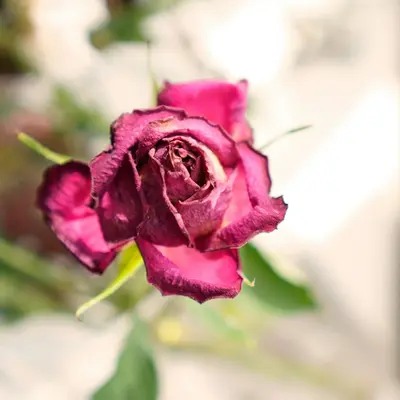
The darkest red rose available, appearing almost black in bud form before opening to reveal deep, velvety burgundy-red petals that create an air of mystery and drama. This modern hybrid tea rose produces stunning, long-stemmed blooms that are prized by florists and gardeners who want something truly unique and sophisticated.
Harvest
70-80d
Days to harvest
Sun
Full sun
Zones
5–11
USDA hardiness
Height
1-8 feet
Planting Timeline
Showing dates for Black Baccara in USDA Zone 7
All Zone 7 rose →Zone Map
Click a state to update dates
Black Baccara · Zones 5–11
Growing Details
Complete Growing Guide
Black Baccara roses are best started from bare-root canes in early spring, approximately two weeks before your region's last frost date. Unlike some rose varieties that benefit from indoor seed starting, Black Baccara is propagated from dormant canes that should be planted directly into prepared garden beds as soon as soil is workable. If you're in a cold climate, you can pot up bare-root canes indoors in late winter and transplant them outside once soil temperatures reach at least 50°F and all frost danger has passed. This timing ensures the plant establishes roots before summer stress begins.
Prepare your planting site by amending soil with well-draining compost or aged manure worked 12 to 18 inches deep. Black Baccara performs best in soil with a pH between 6.0 and 6.5. Space plants 24 to 36 inches apart to allow adequate air circulation, which is critical for this variety's susceptibility to fungal issues. Plant the budding union approximately one inch below soil level in cold climates, or at soil level in warmer zones. The depth matters considerably for Black Baccara's winter hardiness and disease resistance.
Water deeply and consistently, providing one to two inches weekly through drip irrigation rather than overhead watering, which invites the black spot and powdery mildew this variety is prone to developing. Feed monthly from spring through summer with a balanced rose fertilizer, transitioning to lower nitrogen formulations in late summer to harden off growth before winter. Cease feeding six weeks before your first anticipated frost.
Black Baccara's dramatic dark blooms make it particularly attractive to thrips and Japanese beetles, which can disfigure flowers before they fully open. Scout plants twice weekly during peak bloom season and remove infested buds promptly. Aphids cluster on new growth; spray with insecticidal soap at first sign. Spider mites thrive in hot, dry conditions, so consistent moisture and humidity management are essential preventative measures.
Watch vigilantly for black spot, which appears as dark lesions on foliage and spreads rapidly on this cultivar. Remove affected leaves immediately and dispose of them away from the garden. Apply preventative sulfur or copper fungicide every 7 to 10 days during humid periods. Powdery mildew and rust also favor this variety, requiring good air circulation and similar fungicidal protocols.
Prune Black Baccara in early spring to an open vase shape, removing all dead wood and crossing canes. Make cuts at 45-degree angles one-quarter inch above outward-facing buds. This variety responds well to hard pruning, which encourages the long, strong stems florists prize.
The most critical mistake gardeners make with Black Baccara is overwatering foliage or watering in evening hours, which creates the humid conditions fungal diseases demand. Water only at the base, early in the morning, allowing foliage to dry quickly in sunlight.
Harvesting
Harvest Black Baccara roses when the outer petals just begin to unfurl and reveal the deep burgundy interior, as these blooms develop their dramatic color intensity over several days after cutting. The buds should feel firm yet slightly yielding when gently squeezed, and the stem should snap cleanly rather than bend when cut at a 45-degree angle in early morning. Unlike single-harvest varieties, Black Baccara produces repeatedly throughout the growing season, allowing for continuous harvesting every 5-7 days once established. A key timing tip: cut these roses just as the outer guard petals loosen but before full opening, since they continue maturing in the vase and will dramatically deepen in color, extending their vase life to 10-14 days while maintaining that sought-after mysterious, dark aesthetic.
The accessory fruit is called a hip and forms after the flowers finish blooming. The hip will appear under the sepals of where the flower was after the flower dies. They will turn from green to red. They are filled with many achenes surrounded by irritating hairs.
Color: Green, Red/Burgundy. Type: Achene. Length: < 1 inch. Width: < 1 inch.
Garden value: Showy
Harvest time: Fall
Edibility: The fruit (called the hip) is edible.
Storage & Preservation
Black Baccara roses should be stored in a cool environment between 34-40°F (1-4°C) with 80-90% humidity. Keep stems in clean, lukewarm water with floral preservative for maximum freshness. They last 7-12 days in a vase when properly conditioned. For long-term preservation, try air-drying by hanging stems upside-down in a dark, well-ventilated space for 2-3 weeks to create beautiful dried arrangements. Alternatively, press individual petals between parchment paper under weights for 1-2 weeks to preserve their deep color and create botanical art or potpourri.
History & Origin
Black Baccara was introduced by the French rose breeder Meilland International in 1997, continuing the company's legacy of developing distinctive hybrid tea roses. The variety emerged from Meilland's extensive breeding program, which had already produced numerous acclaimed roses including the Peace rose. While detailed parentage records for Black Baccara remain somewhat limited in public documentation, the rose represents the culmination of modern hybridization techniques aimed at achieving the darkest possible red coloration. Meilland's focus on creating visually striking, long-stemmed varieties suitable for both commercial floristry and garden cultivation resulted in this dramatically dark cultivar that has become a staple among florists seeking sophisticated, mysterious arrangements.
Origin: Temp. & Subtropical Northern Hemisphere (such as Europe & Asia)
Advantages
- +Stunning dark burgundy blooms appear almost black in dramatic bud form.
- +Long stems make Black Baccara ideal for sophisticated floral arrangements and bouquets.
- +Unique coloring and velvety petals create sophisticated visual impact in gardens.
- +Modern hybrid tea rose produces consistently high-quality blooms for 70-80 days.
Considerations
- -Moderate to challenging cultivation difficulty requires experienced gardener knowledge and skill.
- -Highly susceptible to black spot, powdery mildew, and rust fungal diseases.
- -Vulnerable to multiple pests including aphids, thrips, spider mites, and beetles.
- -Light to moderate fragrance is disappointing for gardeners seeking strongly scented roses.
Companion Plants
Lavender and catmint planted 12–18 inches from the base pull in pollinators and are widely thought to confuse aphids (Macrosiphum rosae) and thrips with their volatile oils — neither plant competes hard for water, which matters since Black Baccara already needs a steady 1–1.5 inches per week. Garlic, chives, and other alliums are worth tucking into gaps between bushes; the sulfur compounds they release have enough extension-backed support to treat them as a practical choice, not just wishful thinking. Mint is a firm no — it spreads by underground runner and will colonize the root zone inside one growing season, competing for exactly the consistent moisture this rose depends on. Black walnut is worse: its roots produce juglone, a compound that disrupts cellular respiration in roses, and the effect radius is wide enough that a tree on the back fence isn't a safe distance.
Plant Together
Lavender
Repels aphids, spider mites, and other pests while attracting beneficial pollinators
Marigolds
Natural pest deterrent against nematodes, aphids, and whiteflies
Garlic
Deters aphids, spider mites, and fungal diseases when planted nearby
Catmint
Repels ants, aphids, and rodents while attracting beneficial insects
Chives
Natural fungicide properties help prevent black spot and powdery mildew
Parsley
Attracts beneficial insects like hoverflies that prey on rose pests
Alliums
Strong scent deters aphids, thrips, and other common rose pests
Clematis
Provides complementary blooming periods and similar growing requirements
Keep Apart
Black Walnut
Produces juglone toxin that inhibits rose growth and can cause wilting
Large Trees
Compete for nutrients and water while creating excessive shade that roses cannot tolerate
Mint
Aggressive spreading roots compete with roses and can overwhelm the root system
Pests & Disease Resistance
Resistance
Moderate disease resistance
Common Pests
Aphids, thrips, spider mites, Japanese beetles
Diseases
Black spot, powdery mildew, rust
Troubleshooting Black Baccara
What you'll see, why it happens, and what to do about it.
Dark spots with irregular, feathered edges on leaves, followed by yellowing and leaf drop — can start as early as late spring
Likely Causes
- Black spot (Diplocarpon rosae) — a fungal disease that splashes up from soil or infected fallen leaves during rain or overhead watering
- Poor air circulation from dense or unpruned canes
- Keeping foliage wet into the morning or evening hours
What to Do
- 1.Strip and trash (don't compost) all affected leaves; rake up fallen leaves consistently
- 2.Water at the base of the plant only, and water early so foliage stays dry by nightfall
- 3.Prune cane infections out in winter, mulch the root zone in late winter to reduce soil splash, and open up the plant's center for airflow — NC State Extension's IPM guidance lists all of these as front-line cultural controls for susceptible cultivars like Black Baccara
White powdery coating on new leaves and buds, most visible on the youngest, most vigorous growth first
Likely Causes
- Powdery mildew (Podosphaera pannosa) — thrives in warm days and cool nights, especially when humidity is high but foliage stays dry
- Over-fertilizing with nitrogen, which pushes the soft new growth this pathogen targets
What to Do
- 1.Remove and discard heavily affected shoots
- 2.Ease off nitrogen fertilizer mid-season; a high-nitrogen push in July or August is asking for trouble
- 3.Apply a sulfur-based or neem oil spray at first sign, coating both leaf surfaces; repeat every 7–10 days while conditions persist
New shoots growing excessively long and spindly, holding red or purplish juvenile coloration well past the point they should have greened up; or sudden dramatic thorniness on canes that weren't thorny before
Likely Causes
- Rose Rosette Disease (RRD), caused by Rose rosette virus and vectored by the microscopic eriophyid mite Phyllocoptes fructiphylus
- Witches'-broom (shoot proliferation) can also result from low-dose glyphosate drift, so rule that out before assuming RRD
What to Do
- 1.NC State's Plant Disease and Insect Clinic notes that diagnosis relies on a combination of symptoms — excessive thorniness, retained red shoot coloration, and witches'-broom together are a strong indicator; submit a sample if you're unsure
- 2.There is no cure: dig out and destroy the entire plant immediately, roots included, to prevent mite spread to neighboring roses
- 3.Don't replant a rose in that spot for at least one full season; also manage any weedy multiflora rose nearby, which harbors the mite
Clusters of soft-bodied insects on new buds and shoot tips; buds distorted or failing to open cleanly, sometimes with streaked or bronzed petals
Likely Causes
- Aphids (Macrosiphum rosae, the rose aphid) — populations spike fast in spring when new growth flushes
- Thrips (Frankliniella occidentalis) feeding inside buds, which is harder to spot but causes the same bud distortion and petal damage
What to Do
- 1.Knock aphids off with a firm stream of water — do it in the morning so the plant dries before evening
- 2.For thrips inside buds, pull and discard the worst-affected buds; spinosad or insecticidal soap can reduce populations, but neither reaches thrips already sealed inside a closed bud
- 3.Skip broad-spectrum insecticides — they wipe out lacewings and ladybugs, which are your best long-term aphid control at zero cost