Angel Face
Rosa 'Angel Face'
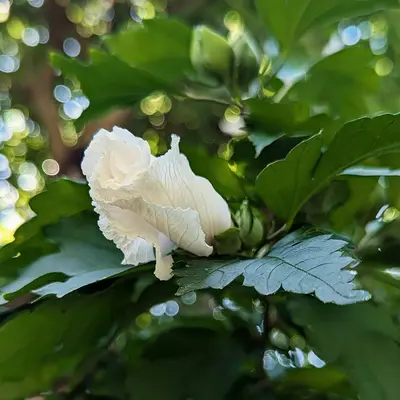
A stunning floribunda rose that captivates gardeners with its unique lavender-purple blooms and incredible fragrance. This award-winning variety produces clusters of ruffled, deep purple flowers with lighter edges that create a beautiful contrast against dark green foliage. Angel Face is perfect for gardeners seeking something truly distinctive in their rose collection.
Harvest
60-70d
Days to harvest
Sun
Full sun
Zones
5–11
USDA hardiness
Height
1-8 feet
Planting Timeline
Showing dates for Angel Face in USDA Zone 7
All Zone 7 rose →Zone Map
Click a state to update dates
Angel Face · Zones 5–11
Growing Details
Complete Growing Guide
Angel Face roses are best established through bare-root canes or grafted plants purchased from specialty nurseries rather than seed, as seed propagation is unreliable for this hybrid floribunda. If you're starting with bare-root canes, plant them in early spring, about two weeks before your last frost date, when the soil is workable but still cool. This timing allows the roots to establish before the intense heat of summer arrives, which is critical for this variety's long-term vigor. Container-grown Angel Face roses can be planted anytime during the growing season, though spring and fall plantings tend to establish most successfully.
Prepare the planting site with rich, well-draining soil amended generously with compost or aged manure. Angel Face thrives when given at least six hours of direct sunlight daily, though it appreciates afternoon shade in regions with scorching summers. Space plants three to four feet apart to ensure good air circulation, which becomes particularly important given this cultivar's susceptibility to powdery mildew and black spot. Plant at the same depth as it was in its container, with the graft union about one to two inches below soil level in cold climates for winter protection.
Water deeply and consistently, aiming for one to one-and-a-half inches per week through drip irrigation or soaking at the base rather than overhead watering, which invites fungal diseases. During the hot growing season, you may need to water twice weekly. Begin a balanced rose fertilizer program in spring once new growth appears, feeding every four to six weeks through mid-summer. Angel Face responds exceptionally well to organic fertilizers like fish emulsion, which can be applied every two weeks to encourage the prolific blooming that makes this variety special.
Monitor vigilantly for spider mites and thrips, which attack the delicate lavender petals and distort the ruffled texture that defines Angel Face's beauty. Japanese beetles are also particularly attracted to the purple blooms, so hand-pick early in the morning when possible. Watch for the first signs of black spot on lower foliage by mid-summer and powdery mildew in humid conditions—these diseases spread rapidly on Angel Face and can defoliate plants if left unchecked. Apply sulfur dust or neem oil preventatively every seven to ten days during humid periods.
Prune Angel Face in early spring to about two-thirds of its height, removing all dead or crossing canes. Deadhead spent clusters throughout the season to encourage continuous flowering through the growing period. The one critical mistake gardeners make is overcrowding Angel Face in hopes of creating a fuller display; adequate spacing for air circulation is non-negotiable for preventing the fungal diseases this variety finds irresistible. Regular inspection and swift action at the first sign of trouble will reward you with months of those incomparable fragrant purple blooms.
Harvesting
Angel Face roses reach peak harvest readiness when the outer petals display their characteristic lavender-purple hue with noticeably lighter edges, and the bloom feels gently firm rather than papery or overly soft. At this stage, the ruffled flower face typically measures 3-4 inches across and should show no browning on petal tips. This cultivar responds exceptionally well to continuous harvesting, meaning regular removal of blooms encourages prolonged flowering throughout the season rather than exhausting the plant after a single flush. For optimal results, cut stems early in the morning after dew has dried but before heat stresses the plant, selecting blooms that are just past the half-open stage to ensure they'll continue developing indoors while maintaining their striking color contrast and fragrance intensity.
The accessory fruit is called a hip and forms after the flowers finish blooming. The hip will appear under the sepals of where the flower was after the flower dies. They will turn from green to red. They are filled with many achenes surrounded by irritating hairs.
Color: Green, Red/Burgundy. Type: Achene. Length: < 1 inch. Width: < 1 inch.
Garden value: Showy
Harvest time: Fall
Edibility: The fruit (called the hip) is edible.
Storage & Preservation
Fresh Angel Face roses last 7-12 days when stored in a cool location. Keep cut stems in a vase with fresh, cool water (65-72°F) away from direct sunlight and ripening fruit. For longer preservation, refrigerate cut flowers at 35-40°F in high humidity. Try air-drying by hanging bundles upside down in a dark, well-ventilated area for 1-2 weeks to create long-lasting dried arrangements. Alternatively, press flowers between parchment paper under heavy books for 2-3 weeks to preserve them in crafts or resin projects. Silica gel drying is also effective for maintaining color and form within 5-7 days.
History & Origin
Introduced by the Armstrong Nurseries in 1968, Angel Face emerged during a golden era of floribunda rose breeding in California. The variety was developed by Swim and Weeks, renowned hybridizers who focused on creating roses with distinctive colors and strong fragrance. Angel Face represents a significant achievement in breeding programs aimed at producing purple-toned roses, a notoriously difficult color to establish in modern roses. The variety quickly gained recognition, winning the All-America Rose Selection award in 1969, validating the breeders' success in combining aesthetic appeal with horticultural performance. Its lavender-purple coloring and robust fragrance made it an immediate favorite among gardeners seeking novelty and scent.
Origin: Temp. & Subtropical Northern Hemisphere (such as Europe & Asia)
Advantages
- +Distinctive lavender-purple blooms with ruffled petals set Angel Face apart
- +Strong, sweet fragrance with spicy undertones makes this rose memorable
- +Award-winning floribunda produces abundant flower clusters for continuous color
- +Moderate difficulty level makes Angel Face achievable for most gardeners
Considerations
- -Highly susceptible to black spot and powdery mildew in humid climates
- -Prone to multiple pest infestations including aphids, thrips, and beetles
- -Requires vigilant disease management and regular preventative fungicide applications
Companion Plants
Lavender and catmint planted within 18 inches of Angel Face draw in beneficial insects and are often credited with disrupting aphid navigation — the evidence on that last part is thin, but both plants share Angel Face's full-sun, well-drained requirements, so there's no resource competition to worry about. Garlic, chives, and alliums are worth tucking in at the drip line; their sulfur compounds are linked to reduced aphid pressure, and they root shallow enough to stay out of the way. Marigolds (Tagetes spp.) earn a spot if the bed has any history of root-knot nematode damage — their root exudates suppress nematode populations in the surrounding soil. Black walnut is the one to avoid hard: juglone diffuses through the root zone and will stunt or kill Angel Face, and the affected area under a mature walnut can run surprisingly wide.
Plant Together
Lavender
Repels aphids, moths, and other rose pests while attracting beneficial pollinators
Marigold
Deters nematodes, aphids, and whiteflies with natural pest-repelling compounds
Garlic
Repels aphids, spider mites, and fungal diseases that commonly affect roses
Chives
Prevents black spot and aphid infestations while improving soil health
Catmint
Deters ants, aphids, and rodents while attracting beneficial insects
Thyme
Repels cabbage worms and other pests while providing ground cover
Allium
Natural fungicide properties help prevent rose diseases and repel aphids
Parsley
Attracts beneficial insects like hoverflies that prey on rose pests
Keep Apart
Black Walnut
Produces juglone toxin that stunts rose growth and can cause plant death
Large Trees
Compete for nutrients and water while creating excessive shade that roses require
Brassicas
Heavy feeders that compete for nutrients and may attract pests harmful to roses
Pests & Disease Resistance
Resistance
Moderate resistance to black spot and powdery mildew
Common Pests
Aphids, thrips, spider mites, Japanese beetles
Diseases
Black spot, powdery mildew, rust, downy mildew
Troubleshooting Angel Face
What you'll see, why it happens, and what to do about it.
Dark spots with irregular, feathered edges on leaves; leaves yellowing and dropping, sometimes starting as early as 6 weeks into the growing season
Likely Causes
- Black spot (Diplocarpon rosae) — a fungus that splashes up onto foliage during rain or overhead watering
- Prolonged leaf wetness, especially when watering extends into evening hours
What to Do
- 1.Water at the base of the plant only — never overhead — and water in the morning so foliage stays dry overnight
- 2.Strip and bag (don't compost) all affected leaves; rake up any fallen leaves around the base
- 3.Mulch 2-3 inches deep around the shrub in late winter to cut down splash transmission; prune out any cane infections during dormancy
White powdery coating on new leaves and buds, often worst on young growth in spring or early fall
Likely Causes
- Powdery mildew (Podosphaera pannosa) — thrives in warm days and cool nights, spreads in dry air unlike most fungal diseases
- Poor air circulation from crowded planting or unpruned interior canes
What to Do
- 1.Thin the interior of the plant annually — Angel Face tops out around 3-5 feet and gets dense enough to trap stagnant air
- 2.Back off nitrogen fertilizer; soft new growth is what powdery mildew colonizes first
- 3.Apply a sulfur-based fungicide at the first sign of infection and repeat every 7-10 days if warm days and cool nights continue
Elongated new shoots that hold their red color instead of greening up, or leaves showing a yellow mosaic in an irregular oak-leaf pattern
Likely Causes
- Rose rosette disease — a virus spread by the eriophyid mite Phyllocoptes fructiphilus; red color retention on new shoots is an early diagnostic flag per NC State Extension
- Rose mosaic virus — produces the distinct yellow oak-leaf patterning and is a separate problem from rosette, though both are incurable
What to Do
- 1.Pull and destroy the entire plant — no cure exists for either virus, and leaving it in the ground risks spreading the disease to nearby roses
- 2.Treat surrounding plants for eriophyid mites with a miticide in early spring before populations build
- 3.When replanting, look at shrub rose lines like Knock Out or the Easy Elegance series, which NC State Extension's IPM resources list as less susceptible to common rose diseases