Red Oak
Quercus rubra
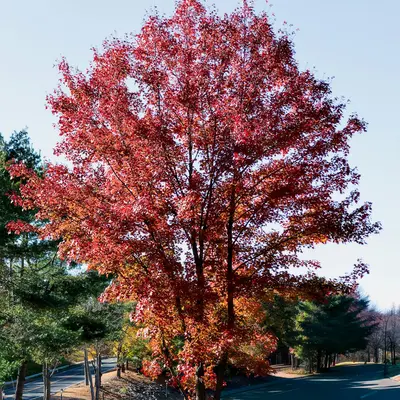
America's quintessential shade tree, prized for its rapid growth, massive spreading canopy, and spectacular fall display of deep red to russet-orange foliage that rivals any maple. This noble native develops distinctive ridged bark and can live for centuries, making it a true legacy tree that will grace properties for generations. Its tolerance of various soil conditions and ability to support over 500 species of butterflies and moths make it both beautiful and ecologically invaluable.
Sun
Full sun to partial shade
Zones
4–8
USDA hardiness
Height
50-70 feet
Planting Timeline
Showing dates for Red Oak in USDA Zone 7
All Zone 7 ornamental-tree →Zone Map
Click a state to update dates
Red Oak · Zones 4–8
Growing Details
Zone-by-Zone Planting Calendar
Complete Growing Guide
Soil: Loam (Silt), Sand. Soil pH: Acid (<6.0), Neutral (6.0-8.0). Drainage: Good Drainage, Moist, Occasionally Dry. Height: 50 ft. 0 in. - 70 ft. 0 in.. Spread: 50 ft. 0 in. - 75 ft. 0 in.. Spacing: more than 60 feet. Growth rate: Rapid. Maintenance: Low. Propagation: Seed. Regions: Coastal, Mountains, Piedmont.
Harvesting
Produces 0.75- to 1.5-inch-long acorns singly or in pairs on a very short stem. The acorn is brown to reddish-brown and smooth. The wide cap covers the upper 1/4 of the nut. The tree may reach 40 years of age before producing acorns. Displays from August to October. The meat inside the acorn is white and bitter to taste.
Color: Brown/Copper, Red/Burgundy. Type: Nut. Length: < 1 inch. Width: < 1 inch.
Harvest time: Fall
Bloom time: Spring
Edibility: Acorns (nuts) are edible after tannins are leached or boiled out.
History & Origin
Origin: Southeastern Canada to North-Central and Eastern United States
Advantages
- +Disease resistance: Black Walnut, Deer, Drought, Dry Soil, Fire, Pollution
- +Attracts: Butterflies, Hummingbirds, Moths, Pollinators, Small Mammals, Songbirds
- +Edible: Acorns (nuts) are edible after tannins are leached or boiled out.
- +Fast-growing
- +Low maintenance
Considerations
- -Toxic (Leaves, Seeds): Low severity
Companion Plants
Plant Together
Wild Columbine
Thrives in partial shade under oak canopy, attracts pollinators
Coral Bells
Tolerates oak's acidic soil conditions and dappled shade
Hosta
Excellent shade tolerance, complements oak's understory ecosystem
Wild Ginger
Native groundcover that thrives in oak's acidic leaf litter
Astilbe
Prefers acidic soil and partial shade created by oak trees
Ferns
Natural woodland companions that flourish in oak's filtered light
Azalea
Acid-loving shrub that benefits from oak's leaf mulch
Serviceberry
Compatible native understory tree, shares similar soil preferences
Keep Apart
Black Walnut
Produces juglone toxin that can damage oak root systems
Pine Trees
Compete aggressively for nutrients and create overly acidic conditions
Eucalyptus
Allelopathic oils inhibit oak growth and beneficial mycorrhizal fungi
Pests & Disease Resistance
Resistance
Generally healthy, some susceptibility to oak wilt and anthracnose
Common Pests
Gypsy moths, scale insects, oak galls (rarely serious)
Diseases
Oak wilt, anthracnose, leaf scorch in drought conditions