Bald Cypress
Taxodium distichum
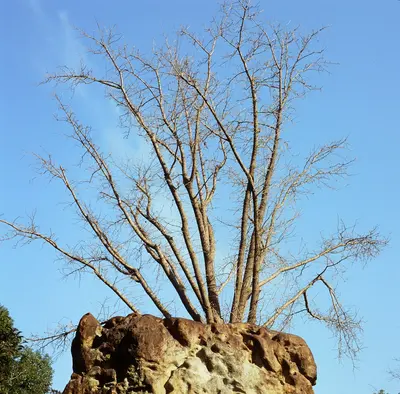
A unique deciduous conifer that brings year-round architectural interest with its distinctive buttressed trunk and feathery, soft-green needles that turn russet-orange before dropping in fall. This adaptable native tree thrives in both wet and dry conditions, making it an excellent choice for challenging sites while providing exceptional wildlife habitat.
Harvest
N/Ad
Days to harvest
Sun
Full sun
Zones
4–9
USDA hardiness
Height
50-70 feet
Planting Timeline
Showing dates for Bald Cypress in USDA Zone 7
All Zone 7 ornamental-tree →Zone Map
Click a state to update dates
Bald Cypress · Zones 4–9
Growing Details
Zone-by-Zone Planting Calendar
Complete Growing Guide
Soil: Clay, High Organic Matter, Loam (Silt), Sand. Soil pH: Acid (<6.0). Drainage: Good Drainage, Moist, Occasionally Wet. Height: 50 ft. 0 in. - 70 ft. 0 in.. Spread: 20 ft. 0 in. - 30 ft. 0 in.. Spacing: 24-60 feet, more than 60 feet. Growth rate: Medium. Propagation: Seed. Regions: Coastal, Piedmont.
Harvesting
The cones on the bald cypress are round, wrinkled, 3/4 to 1-inch in diameter, and purplish green that matures to brown. The scales are thick and irregular. Each tree produces either male cones (pollen-bearing) or female cones (seed-bearing). The cones are pollinated by the wind in the spring. Displays in October.
Color: Brown/Copper, Green, Purple/Lavender. Length: 1-3 inches. Width: 1-3 inches.
Harvest time: Fall
Bloom time: Spring
History & Origin
Origin: Eastern North America from DE to FL, west to Texas and Mexico
Advantages
- +Disease resistance: Deer, Erosion, Fire, Pollution, Salt, Storm damage, Wet Soil, Wind
- +Attracts: Small Mammals, Songbirds
- +Wildlife value: Wood ducks eat the seeds, as well as wild turkey, evening grosbeak, squirrels, waterfowl, and wading birds. Older trees form natural hollows and catamites that are used as cover by wildlife. Cyprus domes provide cover and breeding sites for frogs, toads, salamanders, and catfish. Spanish moss is often found hanging on the branches and provides food for Yellow-throated warblers.
Companion Plants
Plant Together
Louisiana Iris
Thrives in wet conditions and complements the swamp-like environment bald cypress prefers
Swamp Milkweed
Tolerates wet soils and attracts beneficial pollinators while creating natural wetland aesthetic
Cardinal Flower
Grows well in moist to wet soils and adds vibrant red color to the cypress understory
Wild Ginger
Provides excellent groundcover in moist, shaded areas beneath the cypress canopy
Ferns
Thrive in the acidic, moist soil conditions created by decomposing cypress needles
Pickerel Rush
Excellent for water gardens and bog areas where bald cypress naturally grows
Spicebush
Native understory shrub that tolerates wet conditions and provides wildlife habitat
Hostas
Flourish in the moist, partially shaded environment under mature cypress trees
Keep Apart
Black Walnut
Produces juglone which is toxic to many plants including young cypress trees
Eucalyptus
Competes aggressively for water and releases allelopathic compounds that inhibit other plants
Pine Trees
Create overly acidic soil conditions and compete for similar growing space and nutrients
Pests & Disease Resistance
Resistance
Excellent disease and pest resistance
Common Pests
Bagworms (occasional), cypress moths (rare)
Diseases
Very few disease problems, excellent overall health