Sweet Marjoram
Origanum majorana
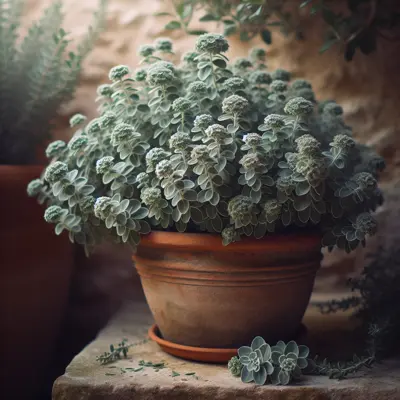
Aroma is similar to oregano, but sweeter and more balsam-like. Compact plant. Edible Flowers: Use the flowers, which have a mild and marjoram-like flavor, as you would the herb to garnish salads, soups, stews, sauces, and stuffing. Also pairs well with citrus, mushrooms, and fish.
Harvest
80-95d
Days to harvest
Sun
Full sun
Zones
9–10
USDA hardiness
Height
8-24 inches
Planting Timeline
Showing dates for Sweet Marjoram in USDA Zone 9
All Zone 9 herb →Zone Map
Click a state to update dates
Sweet Marjoram · Zones 9–10
Growing Details
Succession Planting
Marjoram is a tender perennial that keeps producing from a single planting as long as you keep harvesting — cut stems back by about one-third every few weeks once the plant hits 6–8 inches tall, and it'll bush out rather than go leggy. In zones 9–10 it can overwinter in the ground. In colder zones it's grown as an annual, but you're still getting one long harvest season (roughly April through December in zone 9) from a single transplant, not a succession crop. No staggered sowings needed.
Complete Growing Guide
Light: Full sun (6 or more hours of direct sunlight a day). Soil: Loam (Silt), Sand. Soil pH: Alkaline (>8.0), Neutral (6.0-8.0). Drainage: Good Drainage. Height: 0 ft. 8 in. - 2 ft. 0 in.. Spread: 1 ft. 0 in. - 2 ft. 0 in.. Maintenance: Low. Propagation: Division, Leaf Cutting, Seed. Regions: Coastal, Mountains, Piedmont.
Harvesting
Edibility: Leaves and flowers in tea, flavoring. Sweet spicy flavor. Used for soups, stews, dressings and sauce. Harvest before flowers bloom and use fresh or dried.
Storage & Preservation
Fresh sweet marjoram keeps best stored like fresh flowers—place cut stems in water and cover loosely with a plastic bag, then refrigerate for up to one week. For longer storage, wrap stems in slightly damp paper towels and store in perforated plastic bags in the refrigerator's crisper drawer.
Drying preserves sweet marjoram's delicate flavor beautifully. Bundle small bunches and hang in a warm, dark, well-ventilated area for 1-2 weeks until leaves crumble easily. Alternatively, spread leaves on screens or use a dehydrator at 95°F. Store dried leaves in airtight containers away from light for up to one year.
Freezing works well for cooking use—wash and pat stems dry, then freeze whole in freezer bags for up to 6 months. The texture won't be suitable for fresh garnishes, but frozen marjoram retains excellent flavor for cooked dishes. You can also make herb butter or pesto and freeze in ice cube trays for convenient portions.
History & Origin
Origin: Mediterranean and Turkey
Advantages
- +Attracts: Bees
- +Edible: Leaves and flowers in tea, flavoring. Sweet spicy flavor. Used for soups, stews, dressings and sauce. Harvest before flowers bloom and use fresh or dried.
- +Low maintenance
Considerations
- -Toxic: Low severity
Companion Plants
Marjoram does well planted through or around nightshades — tomatoes, peppers, eggplant — and the reasoning is practical. NC State Extension's IPM guidance explains that mixing unrelated plant families dilutes the scent cues that host-specific insects use to locate crops. A pepper weevil or tomato fruitworm navigating a bed that smells like multiple species takes longer to zero in on its preferred host, which gives you more time to spot and respond before damage spreads. Marjoram's strong aromatic oils make it a particularly disruptive neighbor in this regard. The same principle applies to brassicas: tucking it between cabbage rows can slow the movement of imported cabbageworms (Pieris rapae) through what would otherwise be an unbroken block of preferred foliage.
Thyme and oregano are fine at 6-inch spacing — all three share the same Mediterranean soil requirements (pH 6.5–7.5, sharp drainage, full sun) and don't crowd each other badly. Beans and carrots work too; beans fix nitrogen at a different canopy level, and carrots root well below marjoram's shallow zone, so neither is pulling from the same resources.
Mint is the one to contain, not companion. It spreads by underground stolons and can take over a raised bed in a single season, physically crowding out marjoram before any chemical interaction even matters. If you want both, grow mint in a buried container with the bottom cut out. Sage is a subtler problem — it competes for the same dry, sunny microclimate, and in dense plantings there's evidence of allelopathic inhibition on nearby herbs, including slower establishment even when spacing looks fine on paper.
Plant Together
Tomatoes
Sweet marjoram enhances tomato flavor and repels aphids and spider mites
Peppers
Marjoram deters aphids and may improve pepper flavor while both enjoy similar growing conditions
Eggplant
Marjoram repels flea beetles and aphids that commonly attack eggplant
Cabbage
Helps deter cabbage worms and improves overall plant health
Carrots
Marjoram may improve carrot flavor and growth while deterring carrot flies
Beans
Marjoram repels bean beetles and aphids while beans fix nitrogen for marjoram
Oregano
Similar growing requirements and both herbs enhance each other's aromatic properties
Thyme
Compatible herb with similar care needs that helps repel garden pests
Keep Apart
Sage
Can inhibit marjoram's growth due to strong allelopathic compounds
Cucumber
May compete for nutrients and marjoram's strong scent can affect cucumber flavor
Mint
Aggressive spreader that can overwhelm marjoram and compete for resources
Nutrition Facts
Per 100g serving. % Daily Value based on 2,000 calorie diet. Source: USDA FoodData Central (FDC #172232)
Pests & Disease Resistance
Resistance
Generally disease resistant when grown in well-draining soil
Common Pests
Aphids, spider mites, whiteflies
Diseases
Root rot in poorly drained soils, powdery mildew in humid conditions
Troubleshooting Sweet Marjoram
What you'll see, why it happens, and what to do about it.
Seedlings collapse at soil level, stems pinched and blackened near the base within the first 2 weeks after germination
Likely Causes
- Damping off — typically Pythium or Rhizoctonia species — triggered by overwatering and poor drainage
- Sowing into cold, wet soil that stays saturated before roots can establish
What to Do
- 1.Water only when the top inch of soil is dry; marjoram is Mediterranean and expects dry spells between waterings
- 2.Use a well-draining seed-starting mix and trays with drainage holes — no standing water under the tray
- 3.If damping off has hit a flat, pull the affected seedlings immediately and don't mist the remaining ones
White powdery coating on leaves and stems, usually appearing in summer when nights are cool and humidity is high
Likely Causes
- Powdery mildew (Erysiphe cichoracearum or related species) — common in humid conditions with poor airflow
- Overcrowded planting at less than 6-inch spacing, which traps moisture around the foliage
What to Do
- 1.Thin plants to at least 6 inches apart and cut back any crowded stems to open up airflow
- 2.NC State Extension notes that herbs grown with ample air circulation rarely suffer severe disease — rearranging dense plantings is your first move
- 3.For established infections, remove and trash (don't compost) the worst-affected stems; a diluted neem oil spray can slow spread on remaining foliage
Leaves stippled with tiny pale dots, or curling and yellowing; fine webbing visible on the undersides in dry, hot weather
Likely Causes
- Two-spotted spider mite (Tetranychus urticae) — populations explode in hot, dry conditions above 85°F
- Aphid colonies on new growth, which also attract ants and can spread sooty mold
What to Do
- 1.Spray the undersides of leaves with a strong jet of water to knock off mites and aphids — do this in the morning so foliage dries before evening
- 2.NC State Extension recommends insecticidal soap for severe outbreaks of aphids, mites, and whiteflies on herbs; it's one of the few options labeled safe for culinary use
- 3.Keep surrounding weeds cleared — NC State Extension notes that weeds harbor arthropod vectors and that early removal prevents pest buildup near the planting
Frequently Asked Questions
How long does sweet marjoram take to grow from seed?▼
Can you grow sweet marjoram in containers?▼
What's the difference between sweet marjoram and oregano?▼
Is sweet marjoram good for beginners?▼
When should I plant sweet marjoram?▼
Does sweet marjoram come back every year?▼
Zone-by-Zone Planting Calendar
Growing Guides from Wind River Greens
Sources & References
External authority sources used in compiling this guide.
- ExtensionNC State Extension
- BreederJohnny's Selected Seeds
- USDAUSDA FoodData Central
See the Methodology page for how this data is sourced, what's AI-assisted, and known limitations.