Mexican Mint Marigold
Tagetes lucida
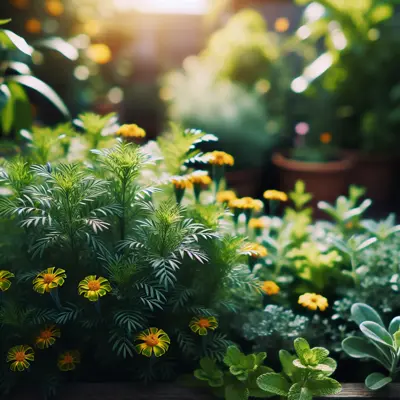
Mexican Mint Marigold is a tender perennial herb with delicate, feathery foliage and small golden-yellow flowers. Reaching maturity in 80-90 days, this heirloom variety is prized for its distinctive sweet anise-tarragon flavor with licorice notes that intensify when flowers bloom. The taste makes it an excellent fresh herb for desserts, beverages, and culinary garnishes. Extremely easy to grow, it thrives in full sun with well-draining soil and tolerates poor soil conditions. Naturally pest-resistant and low-maintenance, it's ideal for both novice and experienced gardeners seeking a unique, flavorful herb with ornamental appeal.
Harvest
80-90d
Days to harvest
Sun
Full sun
Zones
8–11
USDA hardiness
Height
6-30 inches
Planting Timeline
Showing dates for Mexican Mint Marigold in USDA Zone 8
All Zone 8 herb →Zone Map
Click a state to update dates
Mexican Mint Marigold · Zones 8–11
Growing Details
Complete Growing Guide
Light: Full sun (6 or more hours of direct sunlight a day). Soil: Clay, Loam (Silt), Sand. Soil pH: Acid (<6.0), Alkaline (>8.0), Neutral (6.0-8.0). Drainage: Good Drainage, Moist, Occasionally Dry. Height: 0 ft. 6 in. - 2 ft. 6 in.. Spread: 0 ft. 6 in. - 1 ft. 6 in.. Spacing: 12 inches-3 feet. Growth rate: Medium. Maintenance: Low. Propagation: Seed. Regions: Coastal.
Harvesting
Achenes black, narrowly cylindrical; pappus of 1 to 3 setae and 7 to 9 much shorter scales with ciliate margins.
Color: Black. Type: Achene.
Edibility: Flowers are used to make tea. Leaves are used fresh or dried in soups and sauces. Their flavor is similar to anise.
Storage & Preservation
Fresh Mexican mint marigold leaves maintain peak flavor for 3-5 days when stored properly. Treat cut stems like fresh flowers—place them in water and cover loosely with a plastic bag, then refrigerate. For longer fresh storage, wrap clean, dry leaves in damp paper towels and store in the refrigerator's crisper drawer.
Drying preserves the complex anise-tarragon flavor exceptionally well. Bundle small stems and hang in a warm, dark, well-ventilated area for 7-10 days until leaves crumble easily. Strip leaves from stems and store in airtight containers away from light. Properly dried leaves retain potency for up to one year.
Freezing works well for cooking applications—wash and thoroughly dry leaves, then freeze whole in ice cube trays with a little water or oil. The frozen herb works perfectly in cooked dishes, though texture changes make it unsuitable for fresh applications.
History & Origin
Origin: Mexico to Honduras
Advantages
- +Attracts: Butterflies, Songbirds
- +Edible: Flowers are used to make tea. Leaves are used fresh or dried in soups and sauces. Their flavor is similar to anise.
- +Low maintenance
Considerations
- -Toxic (Flowers, Leaves, Roots): Low severity
- -Causes contact dermatitis
Companion Plants
Mexican mint marigold fits best in a mixed planting, and the reason is structural more than chemical. NC State Extension's IPM guidance is straightforward about it: the idea that marigolds repel insects is largely unproven, but spreading unrelated plant families across a bed dilutes the scent signature of any one crop and slows a pest's movement. A cabbageworm working through a brassica block has a much harder time finding the next plant when there's a 15-inch herb in the way. The same logic applies near tomatoes and peppers — at 12–15 inches apart, this plant fills gaps without shading out shorter neighbors like lettuce or carrots, which makes it a practical choice for anyone trying to avoid monoculture rows.
Beans and cucumbers make decent neighbors for the same reason — no hard root competition, and keeping diverse families close gives natural predators like parasitic wasps more places to work from. Roses benefit from any nearby plant that draws beneficials in; there's nothing mystical about it.
Fennel is the one to skip: it releases allelopathic compounds from its roots that stunt a wide range of nearby plants, and this herb is no exception. Black walnut produces juglone, a soil toxin that can persist for years after a tree is removed — keep Tagetes lucida well outside the drip line, which on a mature walnut can extend 50 feet or more. Sunflowers pull hard from the top 12 inches of soil and carry mild allelopathic properties of their own, so they're better placed at a distance rather than tucked in alongside this plant.
Plant Together
Tomatoes
Mexican Mint Marigold repels nematodes and whiteflies that commonly attack tomatoes
Peppers
Provides pest protection against aphids and spider mites while enhancing pepper flavor
Beans
Marigold deters Mexican bean beetles and other bean pests while beans fix nitrogen
Cucumbers
Repels cucumber beetles and squash bugs, reduces pest pressure on cucurbits
Lettuce
Provides natural pest control against aphids and adds beneficial insects to the garden
Carrots
Deters carrot fly and other root pests while improving soil health
Roses
Repels aphids, thrips, and other rose pests while adding fragrance to the garden
Cabbage
Protects against cabbage worms and flea beetles that damage brassicas
Keep Apart
Black Walnut
Juglone toxicity from walnut roots inhibits marigold growth and can cause plant death
Fennel
Allelopathic compounds inhibit marigold growth and development
Sunflowers
Compete heavily for nutrients and water, can stunt marigold growth through root competition
Nutrition Facts
Per 100g serving. % Daily Value based on 2,000 calorie diet. Source: USDA FoodData Central (FDC #173474)
Pests & Disease Resistance
Resistance
Excellent disease resistance, very few problems
Common Pests
Occasionally aphids, generally pest resistant
Diseases
Root rot in poorly draining soils, otherwise disease-free
Troubleshooting Mexican Mint Marigold
What you'll see, why it happens, and what to do about it.
Stems rotting at or just below the soil line, yellowing leaves, plant wilting despite adequate watering
Likely Causes
- Root rot from Pythium or Phytophthora — almost always triggered by poorly draining soil or overwatering
- Planting in a low spot where water pools after rain
What to Do
- 1.Pull the affected plant and improve drainage before replanting — work in coarse sand or perlite, or build a raised bed
- 2.Water only 0.5–1 inch per week once established; Mexican mint marigold handles dry spells better than soggy soil
- 3.If replanting in the same spot, let it dry out completely for 2–3 weeks first
Clusters of small soft-bodied insects on new growth and stem tips, leaves curling or sticky to the touch
Likely Causes
- Aphid infestation — most common on young or stressed plants, especially under dry conditions
- Lack of natural predators (ladybugs, parasitic wasps) in a heavily sprayed garden
What to Do
- 1.Knock aphids off with a strong stream of water from a hose — repeat every 2–3 days until the population drops
- 2.Apply insecticidal soap directly to affected stems and leaf undersides; NC State Extension notes insecticidal soap is appropriate for culinary herb aphid outbreaks
- 3.Avoid over-fertilizing with nitrogen, which pushes the soft new growth aphids prefer
Stunted, sparse growth with pale foliage in a bed that previously grew cucumbers, tomatoes, or other susceptible crops — no improvement after fertilizing
Likely Causes
- Root-knot nematode (Meloidogyne spp.) damage — Tagetes lucida is not the same as a solid planting of French marigold (Tagetes patula), and a few scattered plants won't suppress nematode populations
- Compacted, nutrient-poor soil with little organic matter
What to Do
- 1.Dig up a struggling plant and check the roots for characteristic galls — if present, rotate out of that bed for at least 2 seasons
- 2.If nematodes are confirmed, NC State Extension recommends dedicating the entire affected area to a solid planting of Tagetes patula for suppression, then sending a soil sample to the NCDA&CS Nematode Assay Laboratory before returning susceptible crops
- 3.Amend the bed with 2–3 inches of finished compost worked in to 8–10 inches before replanting
Frequently Asked Questions
How long does Mexican mint marigold take to grow?▼
Can you grow Mexican mint marigold in containers?▼
What does Mexican mint marigold taste like?▼
Is Mexican mint marigold good for beginners?▼
Mexican mint marigold vs French tarragon what's the difference?▼
When should I plant Mexican mint marigold?▼
Zone-by-Zone Planting Calendar
Growing Guides from Wind River Greens
Sources & References
External authority sources used in compiling this guide.
- BreederJohnny's Selected Seeds
- USDAUSDA FoodData Central
See the Methodology page for how this data is sourced, what's AI-assisted, and known limitations.