Lemon Verbena
Aloysia citriodora
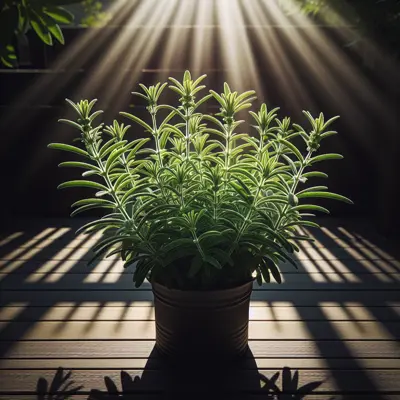
No herb delivers a more intense, pure lemon fragrance than Lemon Verbena, making it indispensable for teas, desserts, and potpourri. This South American native produces narrow, lance-shaped leaves that release their incredible citrus scent at the slightest touch. While it requires protection from frost, its unmatched lemon flavor and aroma make it worth the extra care for any serious herb gardener.
Harvest
90-120d
Days to harvest
Sun
Full sun
Zones
8–10
USDA hardiness
Height
6-8 feet
Planting Timeline
Showing dates for Lemon Verbena in USDA Zone 8
All Zone 8 herb →Zone Map
Click a state to update dates
Lemon Verbena · Zones 8–10
Growing Details
Complete Growing Guide
Light: Full sun (6 or more hours of direct sunlight a day). Soil: High Organic Matter, Loam (Silt), Sand. Drainage: Good Drainage, Moist. Height: 6 ft. 0 in. - 8 ft. 0 in.. Spread: 6 ft. 0 in. - 8 ft. 0 in.. Spacing: 3 feet-6 feet. Maintenance: Low. Propagation: Stem Cutting. Regions: Coastal.
Harvesting
Edibility: Leaves and flowers are used in teas, desserts, fruit salads and jams
Storage & Preservation
Fresh lemon verbena leaves maintain peak flavor for only 2-3 days at room temperature in a glass of water, like cut flowers. For longer fresh storage, wrap stems loosely in damp paper towels and refrigerate in plastic bags for up to one week.
Drying preserves the intense lemon fragrance beautifully. Hang small bundles in a warm, dark, well-ventilated area for 7-10 days until leaves crumble easily. Store dried leaves whole in airtight containers away from light — they'll retain potency for up to two years. Avoid crushing until ready to use.
Freeze fresh leaves in ice cube trays with water or oil for instant flavor additions to beverages and cooking. The leaves also make exceptional herbal vinegar — pack fresh stems in white wine vinegar and steep for 3-4 weeks for a bright, lemony condiment that captures the plant's essence perfectly.
History & Origin
Origin: Argentina and Chile
Advantages
- +Edible: Leaves and flowers are used in teas, desserts, fruit salads and jams
- +Low maintenance
Companion Plants
Rosemary, lavender, thyme, and oregano make the most practical neighbors — all of them want full sun, a soil pH between 6.0 and 7.5, sharp drainage, and light fertilization. NC State Extension specifically groups lemon verbena and lavender together for potpourri and culinary use, and that overlap in purpose reflects a real overlap in care: one drip zone, one fertilizer schedule, no plant getting waterlogged while another bakes. Marigolds nearby can draw in predatory insects that knock back early whitefly and spider mite pressure before it gets established.
Mint is the practical problem — it spreads by underground runners and will push into lemon verbena's root zone within one growing season if you plant them in open ground together. Sink mint in a buried container if you want it within arm's reach. Fennel is allelopathic to a wide range of herbs and tends to suppress growth of whatever's planted close. Black walnut produces juglone from its roots, a compound toxic enough to kill or stunt many garden plants — keep lemon verbena well outside the drip line of any walnut on your property.
Plant Together
Basil
Repels aphids and mosquitoes, shares similar growing conditions
Rosemary
Both Mediterranean herbs with similar water and soil requirements
Lavender
Attracts beneficial pollinators and repels pests like moths and fleas
Oregano
Natural pest deterrent and shares similar drought-tolerant growing needs
Thyme
Repels cabbage worms and aphids, thrives in same well-draining soil
Marigold
Deters nematodes and aphids while attracting beneficial insects
Tomatoes
Lemon verbena may improve tomato flavor and repel hornworms
Peppers
Aromatic compounds help deter aphids and spider mites from peppers
Keep Apart
Black Walnut
Produces juglone toxin that inhibits growth of most herbs including lemon verbena
Fennel
Allelopathic properties inhibit growth of nearby plants including herbs
Mint
Aggressive spreader that competes for space and nutrients
Nutrition Facts
Per 100g serving. % Daily Value based on 2,000 calorie diet. Source: USDA FoodData Central (FDC #167747)
Pests & Disease Resistance
Resistance
Generally disease resistant but sensitive to overwatering
Common Pests
Spider mites, whiteflies, scale insects
Diseases
Root rot from overwatering, powdery mildew in humid conditions
Troubleshooting Lemon Verbena
What you'll see, why it happens, and what to do about it.
Seedlings collapse overnight — stems shrunk and blackened at soil line, roots brown and slimy
Likely Causes
- Damping off (Pythium or Rhizoctonia spp.) — triggered by overwatering, poor drainage, or cold soggy soil
- Starting seeds in non-sterile mix that holds too much moisture
What to Do
- 1.Pull and discard affected seedlings immediately; don't compost them
- 2.Switch to a sterile seed-starting mix and make sure trays drain freely — avoid ground where water stands
- 3.Water only when the top of the mix feels dry; bottom-watering helps keep the stem base drier
Leaves stippled with tiny pale dots, fine webbing on undersides of leaves, especially in hot dry spells
Likely Causes
- Spider mites (Tetranychus urticae) — populations explode when plants are heat-stressed and air is dry
- Overcrowded planting that reduces airflow and makes mite colonies harder to spot early
What to Do
- 1.Spray foliage — especially leaf undersides — with insecticidal soap; repeat every 5 to 7 days for 2 to 3 applications
- 2.NC State Extension notes that natural predators usually keep mite populations low when plants are healthy, so avoid broad-spectrum pesticides that wipe out beneficial insects
- 3.Space plants at least 24 inches apart and keep irrigation consistent; drought-stressed lemon verbena draws mites faster than healthy plants do
White powdery coating on upper leaf surfaces, usually appearing in late summer or when nights cool and humidity climbs
Likely Causes
- Powdery mildew (Erysiphe or Golovinomyces spp.) — common in humid conditions with poor air circulation
- Planting too close together or against a wall that traps moisture overnight
What to Do
- 1.Maintain the 24- to 36-inch spacing and cut back any surrounding plants that press in on the canopy
- 2.Remove heavily affected leaves and trash them — powdery mildew spreads by airborne spores, so don't compost
- 3.NC State Extension recommends cultural controls first for culinary herbs since traditional pesticides aren't labeled for them; a diluted neem oil spray applied in the evening can slow spread on established plants
Sticky residue coating leaves and stems, dark hard bumps or cottony white masses visible on woody canes
Likely Causes
- Scale insects (soft or armored scale) — lemon verbena's woody stems at maturity make it a preferred host
- Whiteflies — nymphs cluster on leaf undersides and excrete honeydew, which leads to sooty mold blackening the surface
What to Do
- 1.For scale, scrape off bumps by hand or dab individual colonies with a cotton swab dipped in isopropyl alcohol
- 2.For whiteflies, apply insecticidal soap directly to the undersides of leaves where nymphs feed; NC State Extension recommends this for severe outbreaks on herbs
- 3.Cut out heavily infested stems on established plants — at 6 to 8 feet tall, lemon verbena has plenty of wood to spare and regrows well from a hard prune
Frequently Asked Questions
How long does lemon verbena take to grow from seed?▼
Can you grow lemon verbena in containers?▼
Is lemon verbena good for beginners?▼
What does lemon verbena taste like compared to lemon balm?▼
When should I bring lemon verbena indoors for winter?▼
Why is my lemon verbena losing its fragrance?▼
Zone-by-Zone Planting Calendar
Growing Guides from Wind River Greens
Sources & References
External authority sources used in compiling this guide.
- ExtensionNC State Extension
- USDAUSDA FoodData Central
See the Methodology page for how this data is sourced, what's AI-assisted, and known limitations.