Lemon Grass
Cymbopogon flexuosus
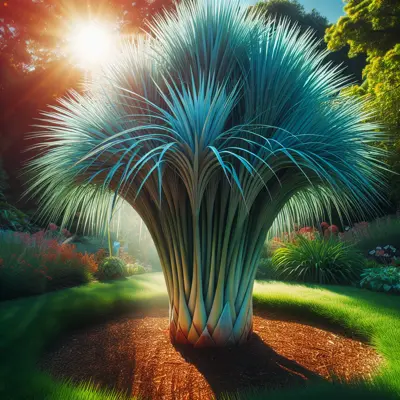
Our seeds have been carefully cleaned to remove the chaff (seed coat material), resulting in a higher germination rate. A delicious addition to soups, curries, teas, and any other dish calling for lemon grass. Essential oil distilled from this variety contains large amounts of citral and geraniol and can be used for flavorings, perfumes, and insect repellent. 6-12 stalks per plant, depending on growing climate.
Harvest
75-85d
Days to harvest
Sun
Full sun
Zones
8–11
USDA hardiness
Height
2-4 feet
Planting Timeline
Showing dates for Lemon Grass in USDA Zone 11
All Zone 11 herb →Zone Map
Click a state to update dates
Lemon Grass · Zones 8–11
Growing Details
Succession Planting
Lemongrass is a tender perennial in zones 8–11, so you're not replanting it every season — you're managing one clump that keeps going. Succession planting doesn't apply here. In zone 8, mulch the base with 4–6 inches of straw before the first frost and it'll come back in spring; in zones 9–11 it stays evergreen and you're just harvesting year-round. If you want more plants, divide an established clump in early spring — any division with a few intact roots will reach harvestable size within 75 to 85 days.
Complete Growing Guide
Start your lemongrass journey by selecting the warmest, most protected spot in your garden that receives at least 6-8 hours of direct sunlight. In zones 9-11, you can grow lemongrass as a perennial, while gardeners in zones 3-8 should treat it as an annual or grow in containers for easy overwintering indoors.
Prepare your planting site by working 3-4 inches of aged compost or well-rotted manure into the soil to create the rich, organic environment lemongrass craves. The soil should drain freely but retain moisture—if water pools after rain, add coarse sand or perlite to improve drainage. Test your soil pH; lemongrass thrives in slightly acidic to neutral conditions (pH 6.0-7.0).
While you can grow lemongrass from seed, purchasing established plants or divisions will save you months of waiting. Seeds require temperatures above 70°F and can take 3-4 weeks to germinate even under ideal conditions. If starting from seed indoors, soak them overnight in warm water and maintain soil temperatures at 75-80°F using a heat mat.
Plant outdoors only after soil temperatures consistently reach 65°F and all danger of frost has passed—typically late May in most regions. Space plants 24-36 inches apart, as mature clumps can spread 2-3 feet wide. When transplanting, set plants at the same depth they were growing in their containers.
Fertilize monthly during the growing season with a balanced fertilizer (10-10-10) or side-dress with compost every 6 weeks. Lemongrass is a heavy feeder and responds dramatically to regular nutrition. Water deeply once or twice weekly rather than frequent shallow watering, maintaining consistent soil moisture without waterlogging.
Avoid the common mistake of planting too early—cold soil will stunt growth for the entire season. In windy locations, stake tall clumps to prevent them from toppling over, though most plants develop strong enough root systems to support themselves. Cut back outer leaves regularly to encourage fresh, tender growth from the center, and remove any dead or damaged foliage to maintain air circulation.
Harvesting
Begin harvesting lemongrass stems when they reach pencil thickness (about ½ inch diameter) and 12-18 inches tall, typically 90-120 days after planting. The best stems feel firm and solid at the base with a pronounced white, bulbous bottom section—this is where the most intense flavor concentrates.
Harvest in the morning after dew has dried for the strongest aromatic oils. Cut or pull entire stems from the outer edges of the clump, leaving the tender center shoots to continue growing. Grasp the stem close to the soil line and twist while pulling upward, or use a sharp knife to cut at ground level.
Look for stems with tight, closed tops and avoid any that have started to flower, as flowering reduces the essential oil content. You can harvest leaves throughout the growing season for tea, but the tender inner leaves have the best flavor. Always harvest from the outside of the plant working inward, allowing the center to regenerate continuously.
Storage & Preservation
Fresh lemongrass stalks stay crisp in the refrigerator for 2-3 weeks when wrapped loosely in plastic and stored in the crisper drawer. For longer storage, trim the root end and place stalks in a glass of water, changing the water every few days.
Freeze whole stalks by cleaning, trimming, and sealing in freezer bags—they'll maintain their flavor for up to 6 months and can be used directly from frozen in soups and curries. For drying, cut leaves into 2-inch pieces and spread on screens in a well-ventilated area, or use a dehydrator at 95°F until completely crisp.
Make lemongrass paste by processing fresh stalks with a small amount of oil in a food processor, then freeze in ice cube trays for convenient portioning. The tough outer leaves that aren't suitable for eating make excellent herbal tea when dried and stored in airtight containers.
History & Origin
Lemongrass (Cymbopogon citratus) originated in the tropical regions of Southeast Asia, particularly Malaysia and Sri Lanka, where it has been cultivated for over 4,000 years. Ancient Tamil and Sanskrit texts reference this aromatic grass for both culinary and medicinal purposes, calling it 'sera' in Tamil, meaning 'belonging to the lemon family.'
The plant spread throughout tropical Asia via trade routes, becoming integral to Thai, Vietnamese, Cambodian, and Indonesian cuisines by the 13th century. European colonists encountered lemongrass in the 17th century, and it eventually reached the Americas through the slave trade and colonial expansion.
Traditionally, Asian cultures valued lemongrass not only as a flavoring agent but as a natural insect repellent and medicinal herb. In Ayurvedic medicine, it was prescribed for digestive issues and fever reduction. The essential oil industry embraced lemongrass in the early 1900s, leading to commercial cultivation in India, Guatemala, and other tropical regions. Today, it remains a cornerstone of authentic Southeast Asian cooking while gaining popularity in Western gardens and kitchens.
Advantages
- +Extremely fast growth rate, producing harvestable stems in just 3-4 months
- +Natural insect repellent properties help protect nearby garden plants from pests
- +Drought tolerant once established, requiring minimal irrigation after first season
- +Provides continuous harvest throughout growing season without replanting
- +Architectural fountain-like growth adds dramatic vertical interest to garden beds
- +Generally pest and disease resistant with minimal maintenance required
- +Versatile culinary uses from fresh stems to dried leaves for tea
Considerations
- -Dies completely in zones below 9, requiring annual replanting or container growing
- -Very sensitive to cold temperatures, cannot tolerate even light frost
- -Requires rich, heavily amended soil and regular fertilization to thrive
- -Can develop rust fungus in humid climates with poor air circulation
- -Sharp leaf edges can cut skin when harvesting without gloves
Companion Plants
Tomatoes and peppers make practical neighbors because they share lemongrass's appetite for full sun and consistent moisture, and the citral-heavy scent lemongrass releases is thought to disrupt the host-finding behavior of aphids that would otherwise move freely between plants. Marigolds add another layer by deterring soil-borne pests at root level. Basil fits well spatially — it stays short, doesn't compete for light, and the two plants have nearly identical water needs, which simplifies irrigation. Rosemary and lavender work at the bed's edge, where drainage is slightly better; both prefer drier soil than lemongrass, and tucking them against the base of a clump that needs consistent moisture is a mismatch.
Beans are the clearest plant to keep at a distance. They fix nitrogen aggressively, and the resulting fertility shift tends to push lemongrass toward soft, fast growth that's more vulnerable to rust and leaf spot. Lettuce fails for a more straightforward reason: a mature lemongrass clump at 3 feet will shade it out entirely, and a 6-inch lettuce head drawing moisture from the same root zone has no chance in that competition.
Plant Together
Tomatoes
Lemongrass repels aphids, whiteflies, and other pests that commonly attack tomatoes
Basil
Both herbs have similar growing requirements and basil benefits from lemongrass pest-repelling properties
Rosemary
Compatible Mediterranean herbs with similar water and sun requirements, both repel insects
Marigolds
Both plants repel mosquitoes and other flying insects, creating a pest-free zone
Cilantro
Lemongrass provides wind protection for cilantro while both attract beneficial insects
Peppers
Lemongrass deters aphids and spider mites that commonly affect pepper plants
Mint
Both are aromatic herbs that repel ants and rodents when planted together
Lavender
Similar sun and drainage needs, both repel moths, fleas, and mosquitoes
Keep Apart
Carrots
Lemongrass roots can inhibit carrot root development and compete for nutrients
Lettuce
Lemongrass creates too much shade and its strong root system competes with shallow lettuce roots
Beans
Allelopathic compounds from lemongrass can inhibit nitrogen fixation in legumes
Nutrition Facts
Per 100g serving. % Daily Value based on 2,000 calorie diet. Source: USDA FoodData Central (FDC #167747)
Pests & Disease Resistance
Resistance
Generally disease resistant, may develop rust in humid conditions
Common Pests
Aphids, spider mites, scale insects
Diseases
Rust, leaf spot in high humidity
Troubleshooting Lemon Grass
What you'll see, why it happens, and what to do about it.
Orange or yellow powdery pustules on leaf surfaces, often appearing in humid stretches of summer
Likely Causes
- Rust fungus (Puccinia species) — spreads via airborne spores, thrives when humidity sits above 80% for extended periods
- Poor air circulation from dense planting or nearby windbreaks
What to Do
- 1.Strip and bag affected leaves immediately — don't compost them
- 2.Apply sulfur-based fungicide (OMRI-listed) as a preventive spray every 3 to 5 days during humid weather, per NC State Extension's organic disease management recommendations
- 3.Space plants at the full 24–36 inches to let air move through the clump
Brown or water-soaked spots spreading across leaf blades during wet weather or after overhead irrigation
Likely Causes
- Fungal leaf spot — Alternaria and Helminthosporium species can both cause this on grassy-leaved herbs in high humidity
- Overhead watering that keeps foliage wet for hours at a time
What to Do
- 1.Switch to drip or base watering; wet leaves sitting overnight is how this gets started
- 2.Mix 1 tablespoon baking soda plus 1 tablespoon summer horticultural oil per gallon of water and spray preventively every 3 to 5 days — NC State Extension's organic gardening guidance lists this combination against Alternaria leaf spot and similar fungal diseases
- 3.Cut the clump back hard if infection is widespread; lemongrass regrows fast from the base
Tiny moving dots or fine webbing on leaf undersides and tips, especially during dry spells above 85°F
Likely Causes
- Spider mites (Tetranychus urticae) — populations explode in hot, dry conditions
- Scale insects, which cluster along stem bases and look like small, fixed brown bumps rather than moving specks
What to Do
- 1.Hit leaf undersides with a strong jet of water to knock mite colonies off — do this in the morning so foliage dries before nightfall
- 2.Apply insecticidal soap or neem oil to leaf undersides; repeat every 5 to 7 days for 2 to 3 applications
- 3.For scale, scrub visible clusters off stem bases with a stiff brush before applying neem
Frequently Asked Questions
How long does lemongrass take to grow from planting to harvest?▼
Can you grow lemongrass in containers?▼
Is lemongrass good for beginner gardeners?▼
What does fresh lemongrass taste like compared to dried?▼
When should I plant lemongrass outdoors?▼
Can lemongrass survive winter outdoors?▼
Zone-by-Zone Planting Calendar
Growing Guides from Wind River Greens
Sources & References
External authority sources used in compiling this guide.
See the Methodology page for how this data is sourced, what's AI-assisted, and known limitations.