Hostas
Hosta spp.
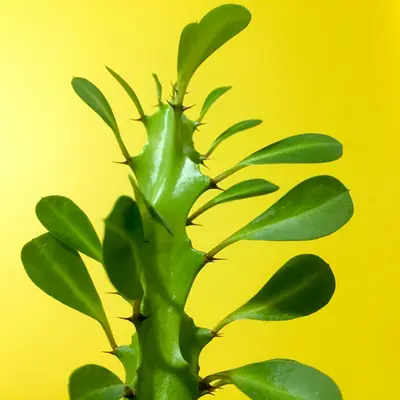
The ultimate shade garden staple, hostas are beloved for their lush foliage and incredible variety of leaf colors, sizes, and patterns. These reliable perennials form dense clumps that suppress weeds while adding elegant texture to shaded areas. With hundreds of cultivars available, from tiny miniatures to massive statement plants, there's a hosta for every garden design.
Sun
White-Tailed Deer
Zones
3–9
USDA hardiness
Height
4-30 inches
Planting Timeline
Showing dates for Hostas in USDA Zone 7
All Zone 7 ground-cover →Zone Map
Click a state to update dates
Hostas · Zones 3–9
Growing Details
Zone-by-Zone Planting Calendar
Complete Growing Guide
Light: White-Tailed Deer. Soil: High Organic Matter. Soil pH: Acid (<6.0), Neutral (6.0-8.0). Drainage: Good Drainage. Height: 0 ft. 4 in. - 2 ft. 6 in.. Spread: 0 ft. 6 in. - 3 ft. 0 in.. Spacing: 12 inches-3 feet, 3 feet-6 feet. Growth rate: Medium. Maintenance: 'Blazing Saddles', 'Blue Cadet', 'Blue Mammoth', 'Blue Mouse Ears', 'Blue Pillow', 'Bressingham Blue', 'Carolina Sunshine', 'Cathedral Windows', 'Cowlick', 'Empress Wu', 'Fire and Ice', 'Fire Island', 'Francee', 'Gold Standard', 'Guacamole', 'Halcyon', Hosta sieboldiana 'Elegans', 'June', 'Kiwi Full Monty', 'Kiwi Spearmint', 'Marbled White', 'Mini Skirt', 'Minuteman', "Patriot", 'Red Dragon', 'Ripple Effect', 'School Mouse', 'Sum and Substance', 'Super Nova', 'Twist of Lime', 'Wrinkle in Time'. Propagation: Division. Regions: Coastal, Mountains, Piedmont.
Harvesting
The fruits are loculicidal capsules that dehisce at maturity. Each capsule contains many small black, flat, and winged seeds. The seeds may be elongated or triangular.
Color: Brown/Copper. Type: Capsule. Length: < 1 inch. Width: < 1 inch.
Harvest time: Fall
Bloom time: Summer
Edibility: Hosta is typically an ornamental; however, in Korea and Japan, the leaves of some species are cooked and eaten.
Advantages
- +Disease resistance: Heavy Shade, Salt
- +Attracts: shade, slightly salt-tolerant
- +Wildlife value: Bees, butterflies, and hummingbirds are attracted to its flowers. Deer and rabbits are attracted to the leaves as a food source.
- +Edible: Hosta is typically an ornamental; however, in Korea and Japan, the leaves of some species are cooked and eaten.
- +Low maintenance
Companion Plants
Plant Together
Astilbe
Thrives in similar shade conditions and adds colorful plumes that complement hosta foliage
Heuchera
Similar moisture and shade requirements, colorful leaves provide year-round interest
Ferns
Natural woodland companions with similar shade and moisture needs, create layered texture
Caladium
Bright colorful foliage contrasts beautifully with hosta leaves in shaded areas
Impatiens
Shade-loving annuals that fill in gaps and provide continuous color among hostas
Begonia
Tolerates shade well and adds bright blooms without competing for resources
Japanese Painted Fern
Silver-grey fronds create stunning contrast with green hosta leaves in shade gardens
Lamium
Low-growing groundcover that spreads beneath hostas without overwhelming them
Keep Apart
Black Walnut
Produces juglone toxin that causes hosta leaves to yellow and plants to decline
Mint
Aggressive spreading habit can quickly overtake and crowd out hosta plants
Goutweed
Extremely invasive groundcover that will completely overwhelm hostas
Crown Imperial Fritillaria
Bulb chemicals can inhibit hosta growth and cause root damage
Pests & Disease Resistance
Resistance
Generally disease resistant but can suffer from crown rot in poorly drained soils
Common Pests
Slugs, snails, deer, voles, foliar nematodes
Diseases
Crown rot, leaf spot, virus diseases