Wild Ginger
Asarum canadense
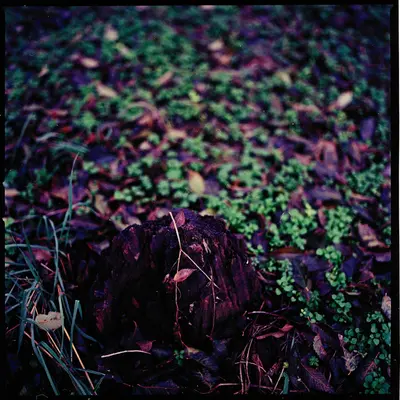
A native woodland perennial prized for its large, heart-shaped leaves that create an elegant carpet in deep shade where few other plants thrive. Hidden beneath the foliage, curious burgundy bell-shaped flowers bloom at ground level in spring, pollinated by crawling insects. This slow-growing but long-lived ground cover is perfect for naturalizing under trees and creating a lush, forest-like atmosphere.
Sun
Shaded Slope Paths & Walkways Native Plant Demonstration Garden All Saints' Episcopal Church
Zones
4–6
USDA hardiness
Height
6-12 inches
Planting Timeline
Showing dates for Wild Ginger in USDA Zone 4
All Zone 4 ground-cover →Zone Map
Click a state to update dates
Wild Ginger · Zones 4–6
Growing Details
Zone-by-Zone Planting Calendar
Complete Growing Guide
Light: Shaded Slope Paths & Walkways Native Plant Demonstration Garden All Saints' Episcopal Church. Soil: High Organic Matter, Shallow Rocky. Soil pH: Acid (<6.0), Neutral (6.0-8.0). Drainage: Good Drainage, Moist, Occasionally Wet. Height: 0 ft. 6 in. - 1 ft. 0 in.. Spread: 0 ft. 4 in. - 0 ft. 6 in.. Spacing: Less than 12 inches, 12 inches-3 feet. Growth rate: Slow. Propagation: Root Cutting. Regions: Coastal, Mountains, Piedmont.
Harvesting
Displays from May to June.
Color: Brown/Copper, Green. Type: Capsule. Length: < 1 inch. Width: < 1 inch.
Harvest time: Summer
Bloom time: Spring
History & Origin
Origin: North America
Advantages
- +Disease resistance: Deer, Erosion, Heavy Shade, Wet Soil
- +Attracts: Butterflies, Pollinators, Songbirds
- +Wildlife value: Larval host plant for pipevine swallowtail butterfly (Battus philenor). Flies and beetles are pollinators.
Considerations
- -Toxic (Leaves, Roots, Stems): Medium severity
Companion Plants
Plant Together
Hostas
Both thrive in shade with similar moisture requirements and complement each other aesthetically
Ferns
Share same woodland habitat preferences and create natural forest floor ecosystem
Astilbe
Both prefer moist, shaded conditions and bloom at different times extending garden interest
Heuchera
Compatible shade perennial with similar soil moisture needs and non-competing root systems
Trillium
Native woodland companion that shares habitat preferences and blooms before ginger emerges
Solomon's Seal
Classic woodland partner with complementary growth habits and seasonal timing
Ajuga
Low-growing ground cover that fills gaps without competing for same soil layer
Coral Bells
Provides vertical interest above ginger while sharing shade and moisture preferences
Keep Apart
Mint
Aggressive spreader that can quickly overtake and smother wild ginger colonies
Tree Roots
Dense surface roots from shallow-rooted trees compete heavily for moisture and nutrients
Pachysandra
Dense mat-forming habit prevents wild ginger from spreading naturally
Pests & Disease Resistance
Resistance
Excellent disease resistance, very hardy native
Common Pests
Slugs, snails occasionally
Diseases
Crown rot in poorly drained soils