HeirloomContainer OK

Casper

Solanum melongena 'Casper'

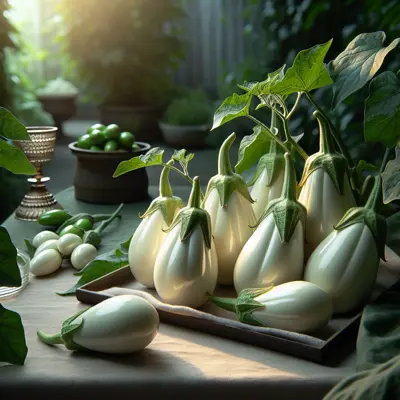
A stunning white eggplant that produces ghostly pale, almost luminous fruits with incredibly sweet, mild flavor and creamy texture. This heirloom variety from Japan creates a striking visual impact in the garden and on the plate, with fruits that never develop bitterness even when mature. Casper's unique appearance and exceptional taste make it a conversation starter at farmers markets and dinner tables.

Harvest

70-80d

Days to harvest

πŸ“…

Sun

Full sun

β˜€οΈ

Zones

5–11

USDA hardiness

πŸ—ΊοΈ

Height

24-36 inches

πŸ“

Planting Timeline

Jan
Feb
Mar
Apr
May
Jun
Jul
Aug
Sep
Oct
Nov
Dec
Start Indoors
Transplant
Harvest
Start Indoors
Transplant
Harvest

Showing dates for Casper in USDA Zone 7

All Zone 7 eggplant β†’

Zone Map

Click a state to update dates

AKZ3MEZ4WIZ4VTZ4NHZ5WAZ7IDZ5MTZ4NDZ4MNZ4MIZ5NYZ6MAZ6CTZ6RIZ6ORZ7NVZ7WYZ4SDZ4IAZ5INZ6OHZ6PAZ6NJZ7DEZ7CAZ9UTZ5COZ5NEZ5ILZ6WVZ6VAZ7MDZ7DCZ7AZZ9NMZ7KSZ6MOZ6KYZ6TNZ7NCZ7SCZ8OKZ7ARZ7MSZ8ALZ8GAZ8TXZ8LAZ9FLZ9HIZ10

Casper Β· Zones 5–11

What grows well in Zone 7? β†’

Growing Details

Difficulty
Moderate
Spacing18-24 inches
SoilRich, well-drained soil with plenty of organic matter
pH6.0-7.0
Water1-1.5 inches per week, consistent moisture
SeasonWarm season
FlavorExceptionally mild and sweet with creamy, non-bitter flesh
ColorPure white to cream
Size5-7 inches long, 2-3 inches wide

Zone-by-Zone Planting Calendar

ZoneIndoor StartTransplantDirect SowHarvest
Zone 5February – MarchMay – Juneβ€”July – September
Zone 6February – MarchMay – Juneβ€”July – October
Zone 7January – FebruaryApril – Mayβ€”June – October
Zone 8January – FebruaryApril – Mayβ€”June – November
Zone 9December – JanuaryMarch – Aprilβ€”May – November
Zone 10November – DecemberFebruary – Marchβ€”April – December

Complete Growing Guide

Start your Casper eggplant seeds indoors 8-10 weeks before your last expected frost date, as these Japanese beauties need a long, warm growing season. Sow seeds ΒΌ inch deep in seed-starting mix at 80-85Β°F for optimal germination, which typically takes 7-14 days. Keep seedlings under grow lights or in a south-facing window, maintaining temperatures above 70Β°F during the day.

Prepare your planting site by working 2-3 inches of compost into well-draining soil with a pH between 6.0-6.8. Casper thrives in rich, fertile ground, so don't skimp on organic matter. Choose the sunniest spot in your garden, as insufficient sunlight will result in poor fruit set and weak, spindly plants.

Transplant outdoors only after soil temperature consistently reaches 65Β°F and nighttime temperatures stay above 50Β°F. Cold soil will shock the roots and stunt growth permanently. Space plants 18-24 inches apart in rows 3 feet apart. Install sturdy stakes or cages at planting time, as mature plants can reach 3 feet tall and produce heavy fruit clusters.

Feed with a balanced fertilizer (10-10-10) at transplanting, then switch to lower nitrogen (5-10-10) once flowering begins to prevent excessive foliage at the expense of fruit production. Side-dress with compost monthly throughout the growing season.

Mulch heavily around plants to retain moisture and suppress weeds, keeping mulch 2 inches away from stems to prevent fungal issues. Casper needs consistent moisture but abhors waterlogged conditions - aim for 1-1.5 inches weekly through drip irrigation or soaker hoses.

Avoid the common mistake of harvesting too late. Unlike purple varieties, Casper's white skin makes it harder to judge ripeness, leading many gardeners to let fruits become oversized and seedy. In zones 7-9, provide afternoon shade during peak summer to prevent sunscald on the pale fruits.

Harvesting

Harvest Casper eggplants when fruits reach 4-6 inches in length and maintain their glossy, luminous white appearance. The skin should be firm but yield slightly to gentle pressure - avoid fruits that feel hard or show any yellowing, which indicates over-maturity and potential bitterness. Unlike purple varieties, Casper's white skin won't darken when ready, so size and firmness are your primary indicators.

Perform the fingernail test: gently press your thumbnail into the skin near the blossom end. If it leaves a slight indentation that springs back, the fruit is perfectly ripe. If your nail bounces off without marking, wait a few more days. If it sinks in easily, you've waited too long.

Harvest in the morning when fruits are fully hydrated and at their peak texture. Use sharp pruning shears or a knife to cut the stem ΒΌ inch above the fruit, rather than twisting or pulling, which can damage the plant and reduce future yields. Handle gently, as the pale skin shows bruises more readily than darker varieties.

Storage & Preservation

Store freshly harvested Casper eggplants at room temperature for up to 3 days for peak flavor and texture. For longer storage, refrigerate in the crisper drawer wrapped loosely in perforated plastic bags for up to one week. Unlike heartier purple varieties, Casper's delicate skin makes it more susceptible to chilling injury below 50Β°F, so avoid storing in very cold refrigerators.

For preservation, Casper's creamy texture makes it ideal for freezing after blanching. Cut into rounds, blanch for 4 minutes, then freeze on baking sheets before transferring to freezer bags. The mild flavor also excels in pressure-canned ratatouille or caponata. Avoid dehydrating, as Casper's high moisture content makes it prone to spoilage during the drying process. Consider fermenting small fruits whole in salt brine for a unique probiotic preserve that showcases the variety's naturally sweet flavor.

History & Origin

Casper eggplant originated in Japan, where white-skinned nasu (eggplant) varieties have been cultivated for centuries as prized ingredients in traditional cuisine. Japanese breeders developed this particular strain in the early 20th century, selecting for the distinctive ghostly pale coloration and exceptionally mild flavor that eliminates the bitter compounds found in many purple varieties.

The variety gained popularity among American gardeners in the 1990s through specialty seed companies focusing on Asian heirloom vegetables. Its name 'Casper' references the friendly ghost character, highlighting the fruit's luminous, almost supernatural white appearance that seems to glow in the garden.

In Japanese culinary tradition, white eggplants like Casper are considered more refined than purple varieties, prized for their ability to absorb flavors without contributing bitterness. This cultural preference drove centuries of careful selection, resulting in the sweet, creamy-textured fruits we grow today. The variety represents the pinnacle of Japanese eggplant breeding, combining visual beauty with exceptional eating quality.

Advantages

  • +Never develops bitterness even when fully mature, unlike purple varieties
  • +Stunning visual impact creates conversation pieces and premium market appeal
  • +Exceptionally creamy texture that absorbs marinades and seasonings beautifully
  • +Mild, sweet flavor appeals to eggplant skeptics and children
  • +Luminous white skin shows no scratches or minor blemishes that would mar purple varieties
  • +Produces consistently uniform, elongated fruits throughout the season
  • +Heat-tolerant once established, continuing production through hot summers

Considerations

  • -Requires longer, warmer growing season than many purple varieties
  • -White skin shows sunscald damage more readily in intense afternoon sun
  • -More expensive seeds due to heirloom status and specialized breeding
  • -Delicate skin bruises and nicks more easily during harvest and handling
  • -Typical heirloom disease susceptibility requires vigilant garden management

Companion Plants

Plant Together

+

Basil

Repels aphids, spider mites, and thrips while potentially improving eggplant flavor

+

Tomatoes

Similar growing requirements and can share support structures, both nightshades with compatible needs

+

Peppers

Fellow nightshades with similar soil and water requirements, can deter some common pests

+

Marigolds

Repel nematodes, aphids, and whiteflies while attracting beneficial predatory insects

+

Nasturtiums

Act as trap crops for aphids and cucumber beetles, drawing pests away from eggplant

+

Catnip

Repels flea beetles, aphids, and ants that commonly attack eggplant

+

Hot Peppers

Natural pest deterrent that repels many insects harmful to eggplant

+

Oregano

Repels aphids and provides ground cover while improving soil health

Keep Apart

-

Black Walnut

Produces juglone toxin that inhibits nightshade family growth and can kill eggplant

-

Fennel

Allelopathic properties inhibit growth of most vegetables including eggplant

-

Corn

Competes for nutrients and can harbor corn earworms that also attack eggplant

Pests & Disease Resistance

Resistance

Typical heirloom disease susceptibility, needs good garden hygiene

Common Pests

Flea beetles, Colorado potato beetle, aphids, hornworms

Diseases

Verticillium wilt, fusarium wilt, bacterial spot, phomopsis blight

Frequently Asked Questions

How long does Casper eggplant take to grow from seed?β–Ό
Casper eggplant takes 70-80 days from transplanting to first harvest, plus 8-10 weeks for indoor seed starting. From seed to harvest, expect about 4-5 months total growing time. Start seeds indoors in late winter, transplant after last frost, and begin harvesting by mid to late summer in most climates.
Is Casper eggplant good for beginners?β–Ό
Casper eggplant is moderately challenging for beginners due to its specific temperature requirements and longer growing season. However, it's more forgiving than purple varieties since it never develops bitterness, making harvest timing less critical. New gardeners in zones 7-9 will have better success than those in cooler climates.
Can you grow Casper eggplant in containers?β–Ό
Yes, Casper eggplant grows well in large containers of at least 20 gallons with excellent drainage. Use a premium potting mix enriched with compost, place containers in full sun locations, and provide sturdy staking. Container growing actually helps control soil temperature and drainage, which benefits this heat-loving variety.
What does Casper eggplant taste like compared to purple eggplant?β–Ό
Casper eggplant has a notably milder, sweeter flavor than purple varieties, with a creamy, almost custard-like texture when cooked. It completely lacks the bitter compounds that can make purple eggplants unpalatable, making it excellent for people who typically dislike eggplant. The flesh is denser and more succulent.
When should I plant Casper eggplant seeds?β–Ό
Start Casper eggplant seeds indoors 8-10 weeks before your last expected frost date. In most areas, this means starting seeds in February or March. Transplant outdoors only after soil temperature reaches 65Β°F and nighttime temperatures stay consistently above 50Β°F, typically late May to early June.
Why are my Casper eggplants turning yellow?β–Ό
Yellow Casper eggplants indicate over-maturity - harvest immediately before they become bitter and seedy. Unlike purple varieties that darken when ripe, Casper should remain pure white. Yellowing can also result from plant stress due to inconsistent watering, extreme heat, or nutrient deficiency. Harvest white fruits promptly to encourage continued production.

More Eggplants