Best Nut Trees for Heirloom
8 nut tree varieties well-suited for heirloom varieties. Open-pollinated heritage cultivars with unique flavor.

Black Walnut
America's native nut tree that produces intensely flavored nuts prized by gourmet cooks and wildlife alike. Black walnut combines valuable timber potential with unique culinary nuts that have a bold, distinctive taste unlike any other nut. This impressive native tree creates its own ecosystem space through natural allelopathy while providing generations of harvestable nuts and potential lumber value.
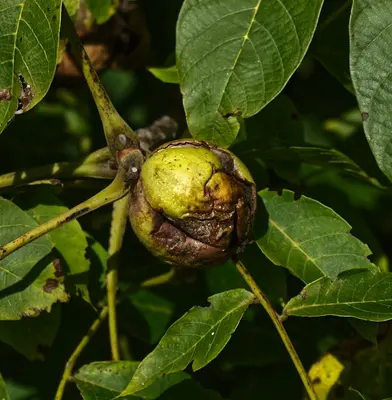
Carpathian Walnut
The ultimate cold-hardy walnut that brings nut production to northern climates previously too harsh for English walnuts. Originally from the Carpathian Mountains of Eastern Europe, these hardy trees can withstand temperatures down to -25°F while still producing quality nuts. Each tree grown from seed develops unique characteristics, making every Carpathian walnut tree a one-of-a-kind addition to cold-climate homesteads.
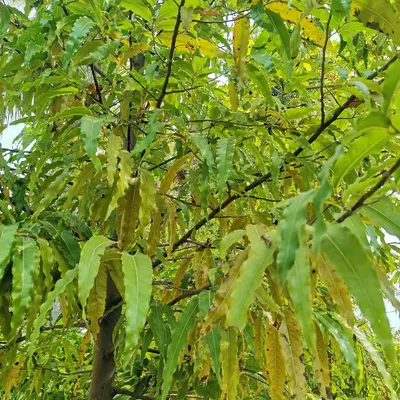
Chestnut (Chinese)
The Chinese chestnut offers hope for restoring chestnut production in North America with its natural resistance to chestnut blight that devastated American chestnuts. These fast-growing trees produce sweet, starchy nuts perfect for roasting and have become increasingly popular among homesteaders and permaculture enthusiasts. The trees are also valued for their beautiful fall color and relatively compact size compared to their American cousins.
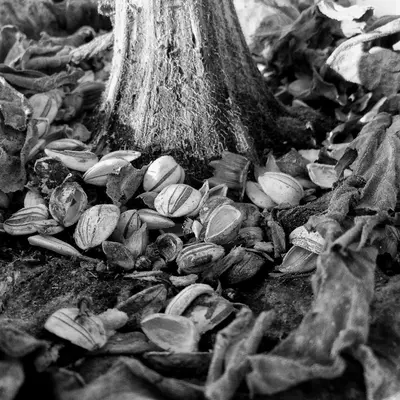
Franquette Walnut
A treasured French heirloom variety that combines exceptional nut quality with impressive cold tolerance and late leafing that avoids spring frosts. Franquette produces elongated nuts with rich, flavorful meats that store exceptionally well through winter months. This variety serves double duty as an excellent pollinator for other walnut varieties while producing its own premium crop.
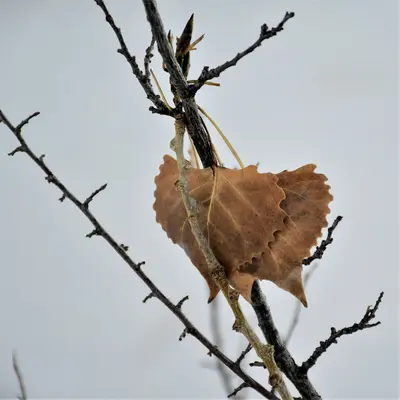
Hazel (American)
A native North American shrub that produces clusters of small, sweet nuts beloved by both wildlife and gardeners. This hardy, cold-tolerant species thrives in a wide range of conditions and makes an excellent choice for naturalistic landscapes or permaculture designs. The nuts have a rich, buttery flavor and the plant provides beautiful fall color and early spring catkins.

Hickory (Lakota)
A superior shagbark hickory selection known for producing exceptionally large, thin-shelled nuts with outstanding flavor that rivals any native nut tree. Lakota was selected from wild trees for its consistent production, easy cracking, and rich, buttery kernel quality that makes the effort of growing hickories worthwhile. This variety represents the best of America's native nut trees for the patient home orchardist.
Hickory (Shellbark)
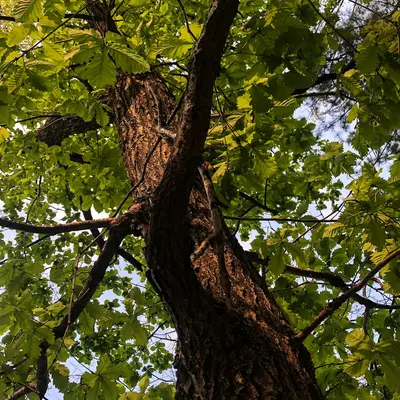
The king of hickory nuts, Shellbark hickory produces the largest and sweetest nuts in the hickory family, with meat that rivals pecans in flavor and quality. These impressive native trees are prized by foragers and nut enthusiasts for their thick-shelled nuts that crack open to reveal plump, rich kernels with exceptional flavor. While slow to establish, mature Shellbark hickories become magnificent shade trees that provide decades of premium nut harvests.
Pecan (Stuart)
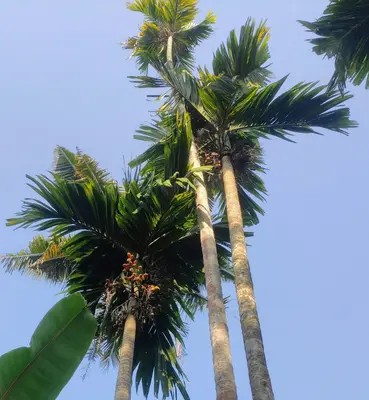
One of the most reliable and widely planted pecan varieties, Stuart has been a Southern favorite since the early 1900s. This self-fertile variety produces large, plump nuts with excellent flavor and good cracking quality, making it perfect for both commercial and home orchard use. The tree is known for its consistent annual production and relatively early bearing age.
Why These Nut Trees Work for Heirloom
Heirloom varieties are open-pollinated cultivars passed down for generations — prized for complex flavor, storied history, and seed-saving potential. These varieties let you save seeds and grow the same crop next year.