Planting Timeline
Showing dates for Red Lake Currant in USDA Zone 7
All Zone 7 berry →Zone Map
Click a state to update dates
Red Lake Currant · Zones 3–7
Growing Details
Zone-by-Zone Planting Calendar
Complete Growing Guide
Red Lake currants thrive in cooler climates and actually prefer some afternoon shade in zones 7-8, making them ideal for northern gardeners. Choose a site with morning sun and protection from harsh afternoon heat, especially in warmer regions.
Prepare your soil by working in 3-4 inches of compost or aged manure to a depth of 18 inches. Red Lake currants are heavy feeders that need rich, moisture-retentive soil with a pH between 6.0-7.0. Unlike most berry crops, they tolerate heavier clay soils as long as drainage is adequate.
Plant bare-root bushes in early spring as soon as soil can be worked, or in fall 6-8 weeks before hard freeze. Space plants 4-5 feet apart in rows 6 feet apart. Dig holes twice as wide as the root spread and plant at the same depth they grew in the nursery. Water thoroughly and apply a 4-inch layer of organic mulch, keeping it 3 inches from the stem base.
Feed annually in early spring with a balanced 10-10-10 fertilizer at 1/4 cup per bush, followed by a side-dressing of compost in late spring. Avoid high-nitrogen fertilizers after midsummer as they can reduce cold hardiness.
Prune during dormancy, removing wood older than 3-4 years and maintaining 8-12 strong canes per bush. Red Lake produces best on 2-3 year old wood, so annual pruning is essential for sustained yields.
The biggest mistake new growers make is planting in full sun locations without adequate moisture. These plants evolved in woodland edges and need consistent soil moisture throughout the growing season. Install drip irrigation or plan to water deeply twice weekly during dry spells.
To maximize yields, hand-pollinate flowers with a small brush during cool, wet springs when bee activity is low. Remove any berries the first year to allow plants to establish strong root systems. Expect light crops in year two and full production by year three, with mature bushes yielding 6-10 pounds annually.
Harvesting
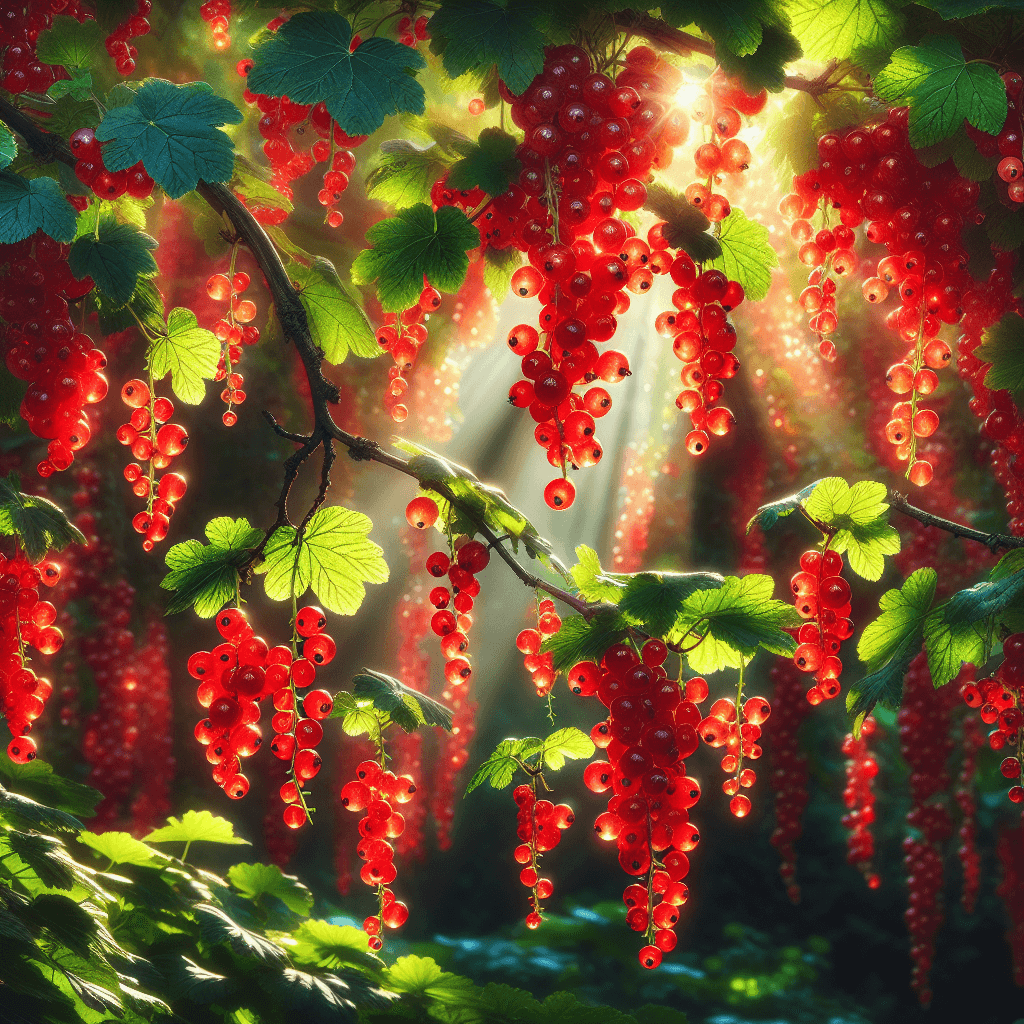
Red Lake currants are ready to harvest when clusters turn deep crimson-red and berries feel firm but give slightly to gentle pressure. The entire cluster should show uniform color with no green or pale berries remaining. Test ripeness by tasting a berry from the cluster's tip—ripe currants will be tart but not harsh or astringent.
Harvest in early morning when temperatures are cool and berries are at peak firmness. Pick entire clusters rather than individual berries by gently lifting the cluster and snipping the stem with small scissors or pruning shears. This prevents damage to the delicate berries and maintains their shelf life.
Ripe clusters will hang on the bush for 2-3 weeks without dropping, allowing you to harvest gradually as clusters reach peak ripeness. Handle clusters gently and place them in shallow containers to prevent crushing. A mature Red Lake bush typically ripens over a 3-4 week period from mid to late summer.
Storage & Preservation
Fresh Red Lake currants keep best when stored unwashed in shallow containers in the refrigerator, where they'll maintain quality for 7-10 days. Avoid washing until ready to use, as moisture accelerates spoilage.
For freezing, remove stems and spread clean berries on baking sheets to freeze individually before transferring to freezer bags—this prevents clumping. Frozen currants maintain their tart flavor for up to 18 months and work excellently in cooked applications.
Their high pectin content makes Red Lake currants exceptional for jelly-making without added pectin. Process into jelly or jam within 2-3 days of harvest for best flavor and natural gel formation. The berries also excel in fermented applications like wine or vinegar due to their intense flavor and natural acidity.
History & Origin
Red Lake currant was developed at the University of Minnesota Agricultural Experiment Station and released in 1933 as part of their cold-hardy fruit breeding program. The variety was specifically bred to withstand harsh northern winters while producing larger berries than existing European varieties.
Developed during the Great Depression when home food production was essential, Red Lake represented a breakthrough in American berry breeding. It combined the superior cold hardiness needed for Upper Midwest conditions with the large berry size and heavy yields that American gardeners demanded.
The variety quickly became the standard red currant for northern regions and remains the most widely planted red currant in North America today. Its success helped establish the University of Minnesota's reputation as a leader in cold-climate fruit breeding, leading to other famous releases like Honeycrisp apples decades later.
Red Lake's development coincided with growing interest in European-style preserving and cooking in American households, making its intensely flavored berries particularly valuable for traditional jams, jellies, and game sauces.
Advantages
- +Exceptional cold hardiness to -40°F, surviving harsh northern winters without protection
- +Large berry size compared to most currant varieties, making harvesting more efficient
- +Produces heavy yields even in partial shade conditions where other berries fail
- +Natural disease resistance to common currant problems like leaf spot and powdery mildew
- +Long harvest window of 3-4 weeks allows gradual picking without berry drop
- +High natural pectin content eliminates need for added pectin in jam-making
- +Self-fertile variety that doesn't require cross-pollination for fruit production
Considerations
- -Requires 2-3 years to reach full production, testing gardener patience
- -Susceptible to imported currantworm which can defoliate bushes rapidly
- -Cannot be grown in areas where white pine blister rust restrictions apply
- -Needs consistent moisture throughout growing season or yields suffer significantly
- -Berries are quite tart when fresh, limiting appeal for direct eating
Companion Plants
Plant Together
Chives
Repels aphids and other soft-bodied insects that commonly attack currants
Garlic
Natural fungicide properties help prevent powdery mildew and other fungal diseases
Comfrey
Deep roots bring up nutrients and leaves make excellent mulch for currant bushes
Nasturtiums
Trap crop for aphids and cucumber beetles, also repels ants
Tansy
Deters ants, mice, and various flying insects that damage currant berries
Mint
Repels rodents and ants, but should be contained to prevent spreading
Gooseberries
Similar growing requirements and care needs, can share beneficial insects
Pine Trees
Provide beneficial acidic mulch and wind protection for currant bushes
Keep Apart
Black Walnut
Produces juglone toxin that inhibits growth and can kill currant plants
Fennel
Allelopathic properties inhibit growth of most nearby plants including currants
White Pine
Acts as alternate host for white pine blister rust that devastates currant plants
Pests & Disease Resistance
Resistance
Good resistance to leaf spot and powdery mildew
Common Pests
Aphids, scale insects, imported currantworm, birds
Diseases
Anthracnose, leaf spot, powdery mildew, white pine blister rust
Frequently Asked Questions
How long does Red Lake currant take to produce fruit?▼
Can you grow Red Lake currants in containers?▼
What does Red Lake currant taste like?▼
Are Red Lake currants illegal to grow anywhere?▼
When should I plant Red Lake currant bushes?▼
Is Red Lake currant good for beginners?▼
More Berries & Fruits
Duke Blueberry
Chandler Strawberry
Ben Sarek Black Currant
Patriot Blueberry
Northland Blueberry
Honeyberry (Haskap)
Heritage Red Raspberry
Jewel Black Raspberry