Yellow Romano Pole Bean
Phaseolus vulgaris 'Yellow Romano'
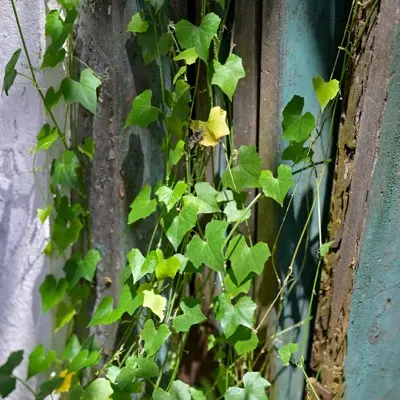
A spectacular yellow version of the classic Italian Romano flat bean, offering the same meaty texture and rich flavor in beautiful golden pods. These vigorous climbing vines produce abundant harvests of wide, flat pods that are incredibly tender when young. Yellow Romano brings both stunning color and gourmet flavor to the garden, perfect for fresh eating and elegant side dishes.
Harvest
60-70d
Days to harvest
Sun
Full sun
Zones
2–11
USDA hardiness
Difficulty
Easy to Moderate
Planting Timeline
Showing dates for Yellow Romano Pole Bean in USDA Zone 7
All Zone 7 bean →Zone Map
Click a state to update dates
Yellow Romano Pole Bean · Zones 2–11
Growing Details
Succession Planting
Direct sow Yellow Romano every 14-18 days from late April through the end of June in zone 7. The UGA Vegetable Garden Calendar puts snap beans in the April and May planting windows with a third succession in May — that cadence holds here. A June 30 final sowing gives you pods coming in through September before first frost typically arrives in mid-October.
Stop sowing once daytime highs are consistently above 90°F; bean flowers drop without setting pods in that heat, and germination gets unreliable above 95°F soil temperature. If a hot spell hits in late June, wait it out rather than wasting seed. Each succession runs 60-70 days to harvest, so work backwards from your expected frost date to find your cutoff.
Complete Growing Guide
Yellow Romano pole beans thrive when direct sown into warm soil after all danger of frost has passed. Unlike bush beans, these vigorous climbing vines need a longer growing season to establish their structure and begin producing, so wait until soil temperatures reach at least 60°F, ideally 65–70°F, which typically occurs one to two weeks after your region's last frost date. Starting seeds indoors offers little advantage and risks transplant shock, so direct sowing is the preferred method for this variety. Plant seeds one and a half inches deep in clusters of two or three seeds, spacing clusters twelve inches apart along your trellis line.
Prepare soil generously before planting, as the meaty texture and rich flavor Yellow Romano are prized for depends on consistent nutrition and moisture. Work in two to three inches of compost or well-rotted manure to improve structure and fertility. These beans prefer soil with a pH between 6.0 and 7.0. Ensure your site receives full sun—at least six hours daily, though eight or more ensures maximum flowering and pod production. The wide, flat pods develop their characteristic tender quality only with abundant light and consistent warmth.
Water deeply and regularly once plants are established, providing about one inch per week through drip irrigation or soaking at the base rather than overhead watering, which invites fungal problems. Feed with a balanced fertilizer when plants begin flowering, but avoid excess nitrogen, which promotes foliage over pods. Yellow Romano vines are vigorous and will produce abundantly with moderate feeding; over-fertilizing leads to excessive leafy growth.
This variety is particularly susceptible to bean beetles and spider mites, both of which can rapidly devastate the broad, tender foliage. Scout plants twice weekly starting when they're young, removing any yellow egg clusters from leaf undersides immediately. Spray early infestations with neem oil. Because Yellow Romano develops those characteristic flat, meaty pods as it matures, the plant becomes an attractive target for thrips as well; insecticidal soap addresses light thrips pressure. Watch for bacterial blight, which causes water-soaked lesions on pods and stems—it spreads through wet foliage, making overhead irrigation a risk. Anthracnose and white mold also threaten this variety in humid conditions, so ensure good air circulation around your trellis.
Robust trellising is essential. Install sturdy vertical supports, strings, or netting at least six feet tall before planting, as the Yellow Romano's vigorous growth habit means inadequate support results in tangled vines and reduced yields. Succession plant every two to three weeks for continuous harvests through summer. One critical mistake gardeners make is harvesting too late—pick pods when young and tender, around six to eight inches long, before the beans inside begin bulging noticeably. Waiting for full maturity produces tough, stringy pods, completely defeating the purpose of growing this gourmet variety.
Harvesting
Harvest Yellow Romano pods when they reach six to eight inches long and display a vibrant golden-yellow color with a slight waxy sheen, signaling peak tenderness and flavor development. Gently squeeze the pods—they should feel firm yet slightly flexible, snapping cleanly when bent. These beans reward continuous harvesting: picking mature pods every two to three days encourages the vines to produce prolifically throughout the season rather than exhausting themselves in a single flush. For optimal tenderness and buttery texture, harvest in the early morning when pods are cool and turgid, as afternoon heat can make them slightly tougher and reduce their meaty quality.
The boat-shaped seed pods are bilaterally symmetrical and can be green, yellow, white, or purple at maturity. There is a wide variety of color and shape choices among cultivars.
Color: Gold/Yellow, Green, Purple/Lavender, White. Type: Legume. Length: > 3 inches. Width: < 1 inch.
Garden value: Edible, Good Dried
Harvest time: Fall, Summer
Storage & Preservation
Fresh Yellow Romano beans store best in the refrigerator in a perforated plastic bag for 7-10 days. Keep them unwashed until use and maintain high humidity to prevent the flat pods from becoming leathery. For longer storage, blanch pods in boiling water for 3 minutes, shock in ice water, drain thoroughly, and freeze in airtight containers for up to 8 months.
For canning, use only tested recipes for pickled Romano beans, as the low-acid nature of beans requires pressure canning for safe preservation. The wide, flat pods also work beautifully for dehydrating—slice lengthwise and dry at 125°F until crisp. Properly dried Romano beans rehydrate well for soups and stews. Some gardeners allow a few pods to fully mature for dry bean harvest, though the texture and flavor are quite different from the tender fresh stage.
History & Origin
The Yellow Romano pole bean emerged as a color variant of the classic Italian Romano (also called Roman) bean, a traditional flat-podded variety with deep European heritage. While the exact breeder and introduction date remain undocumented in readily available horticultural records, yellow-podded beans have been selected and cultivated within Phaseolus vulgaris populations for generations. This golden mutation likely arose through deliberate selection by seed savers and gardeners appreciating both the aesthetic appeal and culinary qualities of yellow pod genetics. The variety represents a continuation of the Romano bean's long breeding tradition, where regional Italian growers and modern seed companies have perpetually refined pod texture, flavor, and productivity across color variants.
Origin: Tropical America
Advantages
- +Stunning golden pod color adds visual appeal and elegance to gardens
- +Rich, meaty texture and buttery flavor surpass standard green bean varieties
- +Vigorous climbing vines produce abundant harvests across the growing season
- +Wide flat pods are exceptionally tender when harvested young for eating
- +Moderate difficulty rating makes Yellow Romano accessible to most home gardeners
Considerations
- -Susceptible to multiple diseases including bacterial blight, anthracnose, and white mold
- -Attracts common garden pests like bean beetles, aphids, and spider mites
- -Requires sturdy trellising support due to vigorous vine growth habits
- -Demands consistent moisture and well-draining soil for optimal pod production
Companion Plants
The Three Sisters combination — corn, beans, and squash — is a functional system worth taking seriously. Corn gives Yellow Romano something to climb (or trellis separately and plant them within a foot of each other), the beans fix atmospheric nitrogen through Rhizobium bacteria in their roots, and squash leaves shade out weeds at ground level. Radishes are worth tucking in at the edges: they mature in about 25 days, break up compacted topsoil mechanically, and some growers report they deter bean beetles, though that claim is more anecdotal than settled science.
French marigolds (Tagetes patula specifically) produce thiophene compounds from their roots that suppress root-knot nematodes. In zone 7 Georgia sandy soils, nematode pressure is real enough that a border of marigolds planted the season before pays dividends you'll actually notice. Nasturtiums work differently: they pull aphid colonies onto themselves, acting as a sacrificial crop you can treat or yank without touching your beans.
Onions and garlic belong on the other side of the garden. Alliums inhibit the Rhizobium bacteria that colonize bean roots — the same bacteria doing the nitrogen-fixing you're counting on — so planting them close undercuts the main agronomic reason to grow a legume at all. Fennel is broadly allelopathic and tends to suppress germination and growth in whatever's nearby. Sunflowers aren't toxic to beans, but they compete hard for water and their canopy will shade out a pole bean trellis if you're not deliberate about placement.
Plant Together
Corn
Provides natural trellis support for climbing beans, classic Three Sisters companion
Squash
Ground cover reduces weeds and retains moisture, completes Three Sisters planting
Carrots
Beans improve soil nitrogen for carrots, carrots help break up soil for bean roots
Radishes
Quick-growing radishes break up soil and are harvested before beans need full space
Marigolds
Repel bean beetles, aphids, and other harmful insects
Nasturtiums
Act as trap crop for aphids and cucumber beetles, repel bean pests
Cucumber
Beans provide nitrogen that cucumbers need, compatible growing requirements
Lettuce
Beans provide light shade for cool-season lettuce, efficient space usage
Keep Apart
Onions
Can inhibit bean growth and nitrogen fixation ability
Garlic
Allelopathic compounds may stunt bean growth and reduce yields
Fennel
Inhibits growth of beans through allelopathic compounds
Sunflowers
Allelopathic effects can reduce bean germination and growth
Nutrition Facts
Per 100g serving. % Daily Value based on 2,000 calorie diet. Source: USDA FoodData Central (FDC #2346400)
Pests & Disease Resistance
Resistance
Good resistance to bean common mosaic and rust
Common Pests
Bean beetles, aphids, spider mites, thrips
Diseases
Bacterial blight, anthracnose, white mold, rust
Troubleshooting Yellow Romano Pole Bean
What you'll see, why it happens, and what to do about it.
Leaf edges and chunks missing, with small copper-colored beetles visible on leaves around weeks 6-7
Likely Causes
- Mexican bean beetle (Epilachna varivestis) — the most common defoliator on pole beans in the Southeast; adults and larvae both feed on leaf tissue
- Bean leaf beetle (Cerotoma trifasciata) — smaller, faster-moving, leaves ragged round holes
What to Do
- 1.Hand-pick adults and egg clusters (orange ovals on leaf undersides) every 2-3 days and drop them in soapy water
- 2.Apply spinosad or kaolin clay as a contact deterrent if populations are high — cover undersides of leaves
- 3.Pull and trash heavily skeletonized plants at season's end; don't compost them
Small, distorted leaves at shoot tips; sticky residue on foliage; ants running up and down the stems
Likely Causes
- Aphid colony (commonly black bean aphid, Aphis fabae, or green peach aphid, Myzus persicae) — ants are farming them for honeydew, which is your tell
- Thrips (Frankliniella occidentalis) feeding on new growth — look for silver streaking alongside the distortion
What to Do
- 1.Knock aphids off with a hard spray of water two mornings in a row; repeat after rain
- 2.If populations persist, spray insecticidal soap directly on the colonies — coverage on leaf undersides matters more than the top
- 3.Nasturtiums planted 12-18 inches away act as a draw crop; check them first and treat there before the infestation jumps to your beans
Water-soaked spots on leaves that turn brown and papery, sometimes with a yellow halo; pods develop dark, sunken lesions
Likely Causes
- Bacterial blight (Pseudomonas syringae pv. phaseolicola or Xanthomonas axonopodis pv. phaseoli) — spreads fast in wet, warm weather
- Anthracnose (Colletotrichum lindemuthianum) — fungal; the sunken pod lesions are the clearest diagnostic sign
What to Do
- 1.Stop working in the bed when leaves are wet — both pathogens spread on hands, tools, and clothing
- 2.Remove and bag (don't compost) all affected plant material; cut back to clean tissue
- 3.Rotate this bed out of beans and other legumes for at least 2 seasons; NC State Extension's IPM guidance flags repeated planting in the same spot as a risk amplifier — their case study documents a grower who planted beans in the same location 5 years straight before disease took hold
White, cottony mold on stems at or just above the soil line; stems collapse; worst after a stretch of cool, wet days
Likely Causes
- White mold (Sclerotinia sclerotiorum) — thrives when temps stay below 75°F and humidity is high; the sclerotia (hard black bodies inside the white fluff) overwinter in soil
- Overcrowded planting that traps moisture around the base
What to Do
- 1.Pull affected plants immediately — sclerotia drop into the soil if you let infected stems sit
- 2.Thin plants to the full 6-8 inch spacing; airflow at the base cuts infection risk significantly
- 3.Switch to a soaker hose at 1 inch per week if you're overhead irrigating — keeping the canopy dry removes one of the main conditions Sclerotinia needs to spread
Frequently Asked Questions
How long do Yellow Romano pole beans take to grow?▼
Can you grow Yellow Romano beans in containers?▼
What do Yellow Romano pole beans taste like?▼
When should I plant Yellow Romano pole bean seeds?▼
Are Yellow Romano pole beans good for beginners?▼
Yellow Romano vs regular Romano beans - what's the difference?▼
Zone-by-Zone Planting Calendar
| Zone | Indoor Start | Transplant | Direct Sow | Harvest |
|---|---|---|---|---|
| Zone 1 | — | — | July – August | October – August |
| Zone 2 | — | — | June – August | September – September |
| Zone 11 | — | — | January – March | April – June |
| Zone 12 | — | — | January – March | April – June |
| Zone 13 | — | — | January – March | April – June |
| Zone 3 | — | — | June – July | September – October |
| Zone 4 | — | — | June – July | August – October |
| Zone 5 | — | — | May – June | August – October |
| Zone 6 | — | — | May – June | August – September |
| Zone 7 | — | — | April – June | July – September |
| Zone 8 | — | — | April – May | July – August |
| Zone 9 | — | — | March – April | June – July |
| Zone 10 | — | — | February – April | May – July |
Growing Guides from Wind River Greens
Sources & References
External authority sources used in compiling this guide.
See the Methodology page for how this data is sourced, what's AI-assisted, and known limitations.