Black Valentine Bush Bean
Phaseolus vulgaris 'Black Valentine'
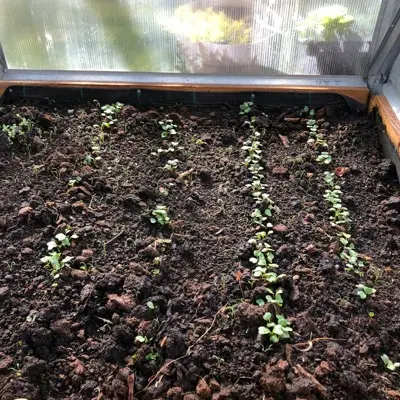
A reliable heirloom bush bean prized for its exceptional cold tolerance and ability to produce in less-than-ideal conditions. This hardy variety has been a garden staple since the early 1900s, producing abundant crops of tender green pods even in cool weather. Black Valentine is the go-to choice for northern gardeners and anyone wanting a dependable, no-fuss bean variety.
Harvest
50-60d
Days to harvest
Sun
Full sun
Zones
2–11
USDA hardiness
Difficulty
Very Easy
Planting Timeline
Showing dates for Black Valentine Bush Bean in USDA Zone 7
All Zone 7 bean →Zone Map
Click a state to update dates
Black Valentine Bush Bean · Zones 2–11
Growing Details
Succession Planting
Direct sow Black Valentine every 14–21 days from your last frost date (around April 1 in zone 7) through mid-June. The UGA vegetable calendar specifically recommends a third sowing in May, which staggers your harvest across July and August rather than producing more beans than you can eat or sell in a single two-week window. Each planting runs 50–60 days to harvest, so a mid-June sowing should finish before hard frost arrives in mid-October.
Stop sowing when daytime highs are consistently above 90°F — bean flowers abort in that heat, and germination gets unreliable once soil temperature climbs above 85°F. If you miss the spring window entirely, a fall planting is possible: direct sow in late July or early August, counting back 60 days from your first expected frost date.
Complete Growing Guide
Black Valentine beans are best direct sown into the garden rather than started indoors, as they germinate reliably and quickly without transplant shock. Wait until soil temperatures reach at least 60°F and all danger of frost has passed, typically one to two weeks after your region's last spring frost date. In cooler northern climates, Black Valentine's exceptional cold tolerance means you can often plant slightly earlier than other bean varieties, giving you a head start on the season. Simply push seeds one inch deep into the soil, spacing them two to three inches apart in rows or clusters. Thin seedlings to four to six inches apart once they emerge, as Black Valentine's compact bush habit still needs adequate air circulation to prevent disease.
These beans thrive in well-draining soil enriched with compost or aged manure worked in before planting. While not heavy feeders, Black Valentine responds well to soil with moderate fertility and a pH between 6.0 and 7.0. Avoid nitrogen-heavy fertilizers, which encourage leaf growth at the expense of pod production. A light side-dressing of balanced fertilizer once flowering begins will support steady pod development through the harvest window.
Water consistently at one inch per week, keeping soil evenly moist but never waterlogged. Black Valentine's hardiness extends to some drought tolerance, but consistent moisture ensures tender pods and extended productivity. Water at the soil level in early morning to minimize leaf wetness and reduce fungal disease risk.
Bean leaf beetles are the primary pest threat to Black Valentine, particularly in mid to late season. Scout plants regularly for yellow-and-black spotted adults and their orange egg clusters on leaf undersides. Hand-pick beetles or remove affected leaves when populations are light. Cucumber beetles and flea beetles may also target young plants but rarely cause serious damage to established growth. Neem oil or insecticidal soap applied early in an infestation can manage populations without harming beneficial insects.
While Black Valentine is generally resistant to bean common mosaic, rust and bacterial blight can appear in wet conditions. Ensure good air circulation by proper spacing, avoid overhead watering, and remove any leaves showing rusty spots or brown lesions immediately to prevent spread.
One critical mistake gardeners make with Black Valentine is overwatering or creating overly rich soil, which redirects energy into foliage rather than beans. This hardy variety actually performs best in moderate conditions—keep feeding and water moderate, and you'll be rewarded with abundant pods. For extended harvests, succession plant seeds every two to three weeks through midsummer, allowing you to enjoy Black Valentine beans from late summer through early fall.
Harvesting
Black Valentine beans reach peak harvest when pods are deep green with a slight glossy sheen, measuring four to five inches long with a tender snap when bent. At this stage, the beans inside remain small and immature, ensuring optimal tenderness and flavor. Unlike single-harvest varieties, Black Valentine rewards continuous picking—harvesting every two to three days encourages prolific flowering and extends your yield throughout the season. The critical timing tip is to harvest in the morning after dew dries but before heat stress sets in, as beans picked during cool hours retain superior crispness and flavor. Regular harvesting prevents pods from becoming overmature and stringy, maintaining the plant's productivity until frost.
The boat-shaped seed pods are bilaterally symmetrical and can be green, yellow, white, or purple at maturity. There is a wide variety of color and shape choices among cultivars.
Color: Gold/Yellow, Green, Purple/Lavender, White. Type: Legume. Length: > 3 inches. Width: < 1 inch.
Garden value: Edible, Good Dried
Harvest time: Fall, Summer
Storage & Preservation
Fresh Black Valentine beans store best in the refrigerator crisper drawer in a perforated plastic bag for 7-10 days. Don't wash before storing—moisture promotes decay. For longer storage, these beans excel at both freezing and canning due to their slightly firmer texture compared to modern varieties.
For freezing, blanch whole pods in boiling water for 3 minutes, then immediately plunge into ice water. Drain thoroughly and pack in freezer bags—they'll maintain quality for 8-12 months. Black Valentine's robust texture holds up particularly well to freezing.
For canning, process using the standard green bean method with a pressure canner (never water bath). Cut into 1-inch pieces and process pints for 20 minutes at 11 pounds pressure. The variety's firm texture makes it ideal for traditional canned green bean preparations that won't turn mushy.
History & Origin
Black Valentine bean emerged as a distinct cultivar in the early 1900s within the broader Phaseolus vulgaris domestication tradition, though precise breeder attribution and exact year of introduction remain poorly documented in readily available horticultural records. The variety likely arose through selective breeding focused on cold tolerance and reliable productivity—traits particularly valued by northern American gardeners of that era. Its name references the distinctive black seeds characteristic of the plant. While specific institutional breeding programs or seed companies cannot be definitively credited with its development, Black Valentine became established as a trusted heirloom variety through distributed seed-saving among gardeners seeking dependable performance in challenging climates, cementing its reputation as a cold-hardy workhorse bean.
Origin: Tropical America
Advantages
- +Exceptional cold tolerance makes it ideal for northern gardening regions.
- +Produces reliable harvests even in less-than-ideal growing conditions.
- +Tender green pods with classic, slightly robust bean flavor.
- +Very easy to grow, making it perfect for beginner gardeners.
- +Hardy heirloom variety proven dependable since the early 1900s.
Considerations
- -Susceptible to multiple beetle pests including bean leaf beetles.
- -Can develop rust and bacterial blight in wet conditions.
- -Requires consistent moisture and well-draining soil for best results.
Companion Plants
Corn and summer squash are the two plants worth prioritizing alongside Black Valentine — beans fix nitrogen at roughly 40–60 lbs per acre through Rhizobium bacteria in their roots, which feeds corn's heavy demand, and squash leaves shade the soil enough to slow weed pressure and cut moisture loss between waterings. Nasturtiums and marigolds act as trap crops that draw aphids away from bean foliage, and carrots or radishes sit at a different root depth, so they're not pulling from the same zone. Keep onions and garlic out of the picture entirely — the sulfur compounds they release interfere directly with those same nitrogen-fixing bacteria, and in our zone 7 Georgia garden that trade-off just isn't worth it. Sunflowers are the other one to skip unless they're well north of the bed; they'll shade out a bush bean planting faster than you'd expect.
Plant Together
Nasturtium
Acts as trap crop for aphids and cucumber beetles, deters bean beetles
Carrots
Helps loosen soil for bean roots and doesn't compete for nitrogen
Corn
Provides natural support structure and benefits from nitrogen fixation
Summer Squash
Large leaves provide ground cover and moisture retention, part of Three Sisters planting
Cucumber
Compatible root systems and both benefit from similar growing conditions
Radishes
Quick harvest doesn't compete long-term and helps break up soil
Rosemary
Repels bean beetles and other pests with aromatic compounds
Marigold
Repels Mexican bean beetles, aphids, and nematodes while attracting beneficial insects
Keep Apart
Onions
Can inhibit bean growth and nitrogen fixation through allelopathic compounds
Garlic
May stunt bean growth and interfere with beneficial rhizobia bacteria
Sunflowers
Allelopathic effects can reduce bean germination and growth
Nutrition Facts
Per 100g serving. % Daily Value based on 2,000 calorie diet. Source: USDA FoodData Central (FDC #2346400)
Pests & Disease Resistance
Resistance
Very good cold tolerance and general disease resistance
Common Pests
Bean leaf beetles, aphids, cucumber beetles, flea beetles
Diseases
Rust, bacterial blight, bean common mosaic (generally resistant)
Troubleshooting Black Valentine Bush Bean
What you'll see, why it happens, and what to do about it.
Leaves with irregular chunks missing, ragged edges, sometimes with small round holes — noticed around weeks 3–6
Likely Causes
- Bean leaf beetle (Cerotoma trifurcata) — chews irregular holes through leaf tissue
- Cucumber beetles (striped or spotted) feeding on foliage — UGA's pest calendar flags both as top threats in the Southeast
- Flea beetles — leave smaller, scattered shot-holes, usually worse on young seedlings
What to Do
- 1.Hand-pick bean leaf beetles in the early morning when they're sluggish; drop them in soapy water
- 2.Row cover immediately after direct sowing — remove when plants flower so pollinators can reach them
- 3.If cucumber beetles have hit your bean bed before, rotate that bed to a non-legume crop next season and move beans as far away as practical (per NC State Extension's IPM guidance)
Brown, water-soaked spots on leaves and pods that spread and may develop a yellow halo — typically after wet, humid weather
Likely Causes
- Bacterial blight (Pseudomonas syringae pv. phaseolicola or Xanthomonas axonopodis pv. phaseoli) — spreads fast when you're working in a wet garden or watering overhead
- Planting beans in the same bed for multiple consecutive seasons — NC State's diagnostic case study notes that five straight years in the same spot invites disease buildup
What to Do
- 1.Stay out of the bed when foliage is wet — bacterial blight travels on hands and tools
- 2.Switch to drip or soaker-hose irrigation to keep water off the leaves; 1 inch per week at the root zone is plenty
- 3.Pull infected plants out of that bed for at least 2 seasons; bag diseased material rather than composting it
Reddish-brown powdery pustules on the undersides of leaves, pale yellow spots on the upper surface — usually mid-summer
Likely Causes
- Bean rust (Uromyces appendiculatus) — a fungal disease that moves fast in humid conditions above 60°F, which describes a Georgia July almost every year
- Tight spacing or encroaching weeds cutting off airflow through the canopy
What to Do
- 1.Space plants 4–6 inches apart in the row with rows 18–24 inches apart to get air moving through
- 2.Strip and trash heavily infected leaves as soon as you spot pustules — don't add them to the compost pile
- 3.Apply sulfur-based fungicide on a 7–10 day interval if rust is actively spreading; starting before it covers most of the canopy is the difference between saving a crop and watching it collapse
Frequently Asked Questions
How long does Black Valentine bush bean take to grow?▼
Can you grow Black Valentine beans in containers?▼
Is Black Valentine bean good for beginners?▼
What does Black Valentine bean taste like?▼
When should I plant Black Valentine beans?▼
Black Valentine vs Provider beans - what's the difference?▼
Zone-by-Zone Planting Calendar
| Zone | Indoor Start | Transplant | Direct Sow | Harvest |
|---|---|---|---|---|
| Zone 3 | — | — | June – July | August – October |
| Zone 4 | — | — | June – July | August – October |
| Zone 5 | — | — | May – June | August – September |
| Zone 6 | — | — | May – June | July – September |
| Zone 7 | — | — | April – June | July – August |
| Zone 8 | — | — | April – May | June – August |
| Zone 9 | — | — | March – April | May – July |
| Zone 10 | — | — | February – April | May – June |
| Zone 1 | — | — | July – August | September – August |
| Zone 2 | — | — | June – August | September – September |
| Zone 11 | — | — | January – March | April – May |
| Zone 12 | — | — | January – March | April – May |
| Zone 13 | — | — | January – March | April – May |
Growing Guides from Wind River Greens
Sources & References
External authority sources used in compiling this guide.
See the Methodology page for how this data is sourced, what's AI-assisted, and known limitations.