Provider
Phaseolus vulgaris
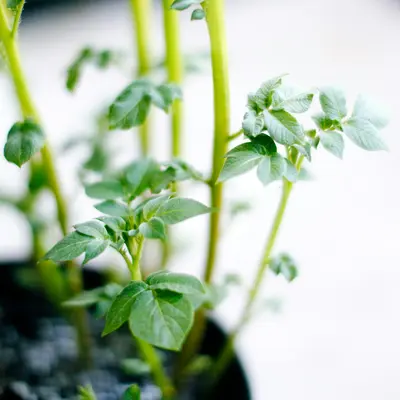
Provider can be planted earlier than other beans because it tolerates cool soils. Compact plants are easy to grow and adaptable to diverse soil and climate conditions. Produces 5 1/2" fleshy, round pod green beans. Purple seeds. Bush bean.
Harvest
50d
Days to harvest
Sun
Full sun
Zones
2–11
USDA hardiness
Height
18-24 inches
Planting Timeline
Showing dates for Provider in USDA Zone 7
All Zone 7 bean →Zone Map
Click a state to update dates
Provider · Zones 2–11
Growing Details
Succession Planting
Direct sow Provider every 14-16 days starting when soil temps hit 60°F — roughly April 1 in zone 7 — and keep going through late June. At 50 days to harvest, a late-June sowing brings you to mid-August, which is about as far as you want to push before heat and pest pressure stack against you. Three successions (early April, mid-May, mid-June) will keep fresh beans coming for most of the summer without a single planting taking the full brunt of Mexican bean beetle buildup.
Don't sow deeper than 1 inch — Provider germinates in 7-14 days at 60-85°F soil temps, and deeper plantings in cool spring soil tend to rot before they sprout. If daytime highs are running above 90°F consistently, bean flowers will drop before setting pods; time your last sowing so harvest wraps up before that stretch hits.
Complete Growing Guide
Provider earned its name honestly — it produces reliably in conditions where other beans sulk. Choose a sunny site with at least 6 hours of direct light and well-drained soil. Beans prefer a slightly acidic to neutral pH (6.0-7.0). Avoid spots where beans, peas, or other legumes grew the previous year to reduce disease pressure.
Work 1-2 inches of finished compost into the top 6 inches of soil before planting. Skip the high-nitrogen fertilizer — beans fix their own nitrogen through root nodules, and excess nitrogen produces lush foliage at the expense of pods. If your soil has never grown beans, consider treating seeds with a rhizobium inoculant to boost nodulation.
Provider's claim to fame is cool-soil tolerance. You can direct sow when soil reaches 50°F, roughly 1-2 weeks before other bush beans. In zones 3-6, this often means mid-to-late May; in zones 7+, you can start in April. Sow seeds 1 inch deep and 3-4 inches apart in rows 18-24 inches apart. Don't soak seeds beforehand — pre-soaked bean seeds often crack and rot.
For a continuous harvest, succession sow every 2-3 weeks until about 60 days before your first fall frost. Provider's quick 50-day maturity makes it ideal for late-summer plantings as well.
Water deeply once a week, providing about 1 inch total. Inconsistent watering causes flower drop and tough pods. Mulch with straw or shredded leaves once plants are 6 inches tall to conserve moisture and suppress weeds. Avoid overhead watering when possible — wet foliage invites rust and anthracnose.
As a bush variety, Provider needs no staking, though plants heavy with pods occasionally lean. A short row of stakes with twine on each side can keep them upright and pods off the soil. Cultivate shallowly around plants to avoid disturbing the shallow root system.
The most common mistake with Provider is planting too deep in cold, wet soil — even this tolerant variety will rot if seeds sit in saturated ground. If a cold snap is forecast right after sowing, cover the row with floating row cover to warm the soil. Another pitfall is letting pods overmature on the plant; this signals the plant to stop flowering and dramatically reduces total yield.
To maximize production, harvest every 2-3 days once pods start coming in. The more you pick, the more the plant produces. A 10-foot row typically yields 8-12 pounds over a 3-week harvest window.
Harvesting
Provider pods are ready about 50 days after sowing, when they reach 5-5½ inches long, are firm and crisp, and seeds inside are still small and undeveloped — you should barely see seed bumps through the pod wall. The pods snap cleanly in half with a crisp break; if they bend rubbery, they need more time, and if they're lumpy with visible seeds, they're past their prime for snap use.
Harvest in the morning after dew has dried, when pods are most turgid and flavorful. Use two hands: hold the stem with one hand and pull the pod off with the other, or pinch the pod free at its attachment point. Yanking single-handed often rips off entire branches, sacrificing future flowers.
Never harvest when foliage is wet — this spreads bacterial and fungal diseases between plants. Pick every 2-3 days at peak production. If you find oversized pods, remove them anyway to keep the plant flowering. Mature beans can be left on the plant to dry for use as shell beans, showcasing Provider's distinctive purple seeds.
Storage & Preservation
Fresh Provider beans keep best unwashed in a perforated plastic bag in the refrigerator crisper drawer at 40-45°F with high humidity. Expect 5-7 days of peak quality; flavor and texture decline rapidly after that. Don't wash until just before use, as moisture accelerates spoilage.
For freezing, blanch trimmed pods in boiling water for 3 minutes, plunge into ice water, drain thoroughly, and pack into freezer bags with air pressed out. Frozen beans hold quality for 8-12 months. Provider's fleshy round pods also pressure can beautifully — process pints at 10 PSI for 20 minutes (adjust for altitude). For a third option, allow late-season pods to fully dry on the plant, then shell out the purple seeds for winter soups and chili. Pickled dilly beans are another classic use that highlights Provider's firm texture.
History & Origin
Provider was developed by Dr. James Baggett at Oregon State University and released in 1965. Baggett, a legendary vegetable breeder responsible for many of the Pacific Northwest's most reliable garden varieties, set out to create a bush bean that could germinate and thrive in the cold, wet springs typical of western Oregon. The result was Provider — a variety with exceptional cool-soil emergence, broad climatic adaptability, and built-in resistance to bean mosaic virus, powdery mildew, and downy mildew.
Though technically a modern open-pollinated variety rather than a true antique heirloom, Provider has been grown so widely for so long that it's now considered an heirloom by many seed savers and is offered by virtually every major heritage seed company. It became a market garden standard in the Pacific Northwest and a favorite among northern and high-altitude gardeners worldwide who needed a bean that wouldn't rot in cool spring soils. It remains one of the most dependable bush beans ever bred.
Advantages
- +Germinates reliably in soil as cool as 50°F — earliest bush bean you can plant
- +Strong resistance to bean mosaic virus, powdery mildew, and downy mildew
- +Compact 18-24 inch plants need no staking or trellising
- +Quick 50-day maturity allows multiple succession plantings per season
- +Highly adaptable to varied soils, climates, and elevations
- +Heavy, concentrated yields make it excellent for canning and freezing
- +Distinctive purple seeds can be saved and used as dry shell beans
Considerations
- -Flavor is mild and serviceable rather than gourmet — purists prefer Romano or French filet types
- -Concentrated yield window means most pods ripen within 2-3 weeks, requiring frequent picking
- -Round pods can hide on bushy plants; missed pods quickly turn tough and halt production
- -Susceptible to bean rust and anthracnose in humid climates with overhead watering
- -Plants heavy with pods may lean without light support
Companion Plants
Provider beans fix atmospheric nitrogen through rhizobium bacteria in their roots, which makes nitrogen-hungry neighbors like corn and squash natural fits. Corn draws heavily on soil nitrogen while beans replenish it — a decent trade even though Provider is a bush type at 18-24 inches and doesn't need a trellis. Carrots and radishes occupy a shallower root zone and don't compete hard for the same water; radishes pulled at 30 days can also break up light surface compaction before bean roots push deeper. Marigolds (Tagetes patula) and nasturtiums add some disruption around aphids and bean beetles, though don't count on them as a substitute for scouting.
Onions and garlic are the ones to keep on the other side of the garden — both release sulfur compounds that inhibit the rhizobium bacteria Provider depends on for nitrogen fixation, which undercuts one of the main reasons you're growing a legume in the first place. Fennel is broadly allelopathic and suppresses most vegetables within a foot or two of it; it doesn't belong near beans, or honestly near much of anything else in a kitchen garden.
Plant Together
Corn
Provides natural support structure for climbing beans, classic Three Sisters companion
Squash
Ground cover suppresses weeds, retains soil moisture, completes Three Sisters planting
Marigolds
Repels Mexican bean beetles and aphids with strong scent
Nasturtiums
Acts as trap crop for aphids and cucumber beetles, repels bean beetles
Carrots
Beans improve soil nitrogen for carrots, carrots help break up soil for bean roots
Radishes
Quick-growing radishes break up soil and are harvested before beans need full space
Lettuce
Benefits from nitrogen fixed by beans, provides living mulch
Rosemary
Repels bean beetles and Mexican bean beetles with aromatic oils
Keep Apart
Onions
Can inhibit bean growth and nitrogen fixation through root compounds
Garlic
Allelopathic compounds can stunt bean growth and reduce yields
Fennel
Strong allelopathic effects inhibit bean germination and growth
Nutrition Facts
Per 100g serving. % Daily Value based on 2,000 calorie diet. Source: USDA FoodData Central (FDC #2346400)
Pests & Disease Resistance
Resistance
One or more races of Bean Mosaic Virus (High); Powdery Mildew (High)
Common Pests
Mexican bean beetle, bean leaf beetle, aphids, spider mites, cutworms
Diseases
Bean rust, anthracnose, bacterial blight, white mold (resistant to bean mosaic virus and powdery mildew)
Troubleshooting Provider
What you'll see, why it happens, and what to do about it.
Leaves with ragged chunks missing, plus browning edges — showing up on roughly half the planting around week 6-7
Likely Causes
- Mexican bean beetle (Epilachna varivestis) — larvae and adults skeletonize leaves from the underside
- Bean leaf beetle (Cerotoma trifurcata) — chews irregular holes straight through the leaf
What to Do
- 1.Flip leaves and hand-pick egg clusters and larvae; drop them in soapy water
- 2.Apply spinosad or pyrethrin in the evening if populations are heavy — both are cleared for use on edibles
- 3.Don't plant beans in the same bed more than once every 2-3 years; NC State Extension's IPM guidance specifically flags continuous same-spot planting as a driver of recurring beetle pressure
Reddish-brown pustules on the undersides of leaves, sometimes with yellowing on the upper surface — typically appears mid-season
Likely Causes
- Bean rust (Uromyces appendiculatus) — a fungal disease that spreads by windborne spores and worsens in humid conditions
- Overhead irrigation or dense planting that keeps foliage wet for extended periods
What to Do
- 1.Switch to drip or soaker-hose irrigation and keep that 1-inch-per-week target at the root zone, not on the leaves
- 2.Remove and trash (do not compost) heavily infected leaves as soon as you spot them
- 3.Rotate beans out of the affected bed for at least 2 seasons — rust spores overwinter in soil debris
Frequently Asked Questions
How long does Provider bean take to grow?▼
Is Provider bean good for beginners?▼
Can you grow Provider beans in containers?▼
When should I plant Provider beans?▼
Why are Provider bean seeds purple?▼
Do Provider beans need a trellis?▼
Zone-by-Zone Planting Calendar
| Zone | Indoor Start | Transplant | Direct Sow | Harvest |
|---|---|---|---|---|
| Zone 1 | — | — | July – August | September – August |
| Zone 2 | — | — | June – August | September – September |
| Zone 11 | — | — | January – March | April – May |
| Zone 12 | — | — | January – March | April – May |
| Zone 13 | — | — | January – March | April – May |
| Zone 3 | — | — | June – July | August – October |
| Zone 4 | — | — | June – July | August – September |
| Zone 5 | — | — | May – June | August – September |
| Zone 6 | — | — | May – June | July – September |
| Zone 7 | — | — | April – June | July – August |
| Zone 8 | — | — | April – May | June – August |
| Zone 9 | — | — | March – April | May – July |
| Zone 10 | — | — | February – April | May – June |
Growing Guides from Wind River Greens
Sources & References
External authority sources used in compiling this guide.
- BreederJohnny's Selected Seeds
- USDAUSDA FoodData Central
See the Methodology page for how this data is sourced, what's AI-assisted, and known limitations.