French Filet Bean Maxibel
Phaseolus vulgaris 'Maxibel'
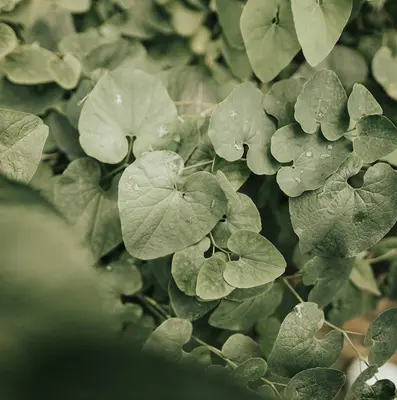
A premium French filet bean that produces an abundance of ultra-thin, tender pods with exceptional flavor and texture that rivals the finest restaurant-quality haricots verts. This vigorous climber continues producing for weeks when harvested regularly, offering gourmet quality beans that are perfect for elegant dining. Popular with home gardeners who want to grow their own gourmet vegetables and chefs who demand the best flavor and presentation.
Harvest
60-70d
Days to harvest
Sun
Full sun
Zones
2–11
USDA hardiness
Difficulty
Moderate
Planting Timeline
Showing dates for French Filet Bean Maxibel in USDA Zone 7
All Zone 7 bean →Zone Map
Click a state to update dates
French Filet Bean Maxibel · Zones 2–11
Growing Details
Succession Planting
Direct sow Maxibel every 14 days once soil temps reach 60°F — in zone 7 that's roughly April 1 through mid-June. The UGA Vegetable Garden Calendar puts a third planting squarely in May, which pairs neatly with a 60–70 day maturity and a July–September harvest window. Stop sowing about 70 days before your first expected frost (mid-October in zone 7) so your last planting finishes before hard cold arrives.
Blossom drop becomes a real problem when daytime highs stay above 90°F, so a late-June sowing is a gamble — pods set poorly until nights cool back down. If you push into that window, sow a little thicker than usual and accept that yield will be lighter than your spring rows.
Complete Growing Guide
French Filet Bean Maxibel performs best when direct sown into warm soil after all danger of frost has passed and soil temperatures reach at least 60°F, ideally 65–70°F. In most regions, this timing falls two to three weeks after your last spring frost date. You can start seeds indoors four weeks before your last frost if you prefer, but Maxibel germinates so readily in warm soil that direct sowing is often more successful and less fussy. Soak seeds for two hours before planting to accelerate germination.
Prepare your planting area by working compost or well-aged manure into the top six inches of soil. Maxibel is a vigorous climber that demands fertile conditions to sustain weeks of continuous production, so generous organic matter is essential. Direct sow seeds one inch deep and three to four inches apart along your trellis or support structure. Once seedlings reach three inches tall, thin to six inches apart. This spacing allows air circulation—critical for preventing the fungal diseases that plague this variety. Rich, well-draining soil with a pH between 6.0 and 7.0 suits Maxibel best.
Water deeply and consistently, providing one to one and a half inches per week. This variety's ultra-thin pods are only tender when the plant experiences steady moisture; inconsistent watering causes tough, fibrous beans and encourages powdery mildew stress. Water at the soil level in early morning to keep foliage dry. Feed with a balanced, slow-release fertilizer every three weeks once flowering begins. Avoid high-nitrogen formulations, which promote leafy growth at the expense of pod production.
Maxibel's exceptional production attracts persistent pest pressure. Watch closely for bean leaf beetles, which skeletonize foliage starting in early summer. Inspect leaf undersides weekly for aphids and spider mites, particularly during dry spells. Thrips cause stippled, silvered pods that ruin the variety's restaurant-quality appearance. Spray infestations with insecticidal soap before populations explode. The greater threat comes from diseases: bacterial blight causes brown lesions on pods, white mold thrives in dense canopies, rust appears as orange pustules on leaves, and powdery mildew coats foliage white. Ensure robust air circulation by pruning lower leaves once plants reach two feet tall, and never work among wet plants.
Train Maxibel onto a sturdy trellis, pole, or tower at planting time. This vigorous climber reaches six to eight feet and needs secure support. Succession plant every two weeks through midsummer for continuous harvest rather than one glut of beans. Begin harvesting at 60–70 days when pods are four to five inches long and completely flat—this is where most gardeners fail with Maxibel. Harvesting too late yields tough, overgrown beans that betray the variety's premium potential. Pick every other day during peak production to stimulate continued flowering and maintain that signature tenderness that makes Maxibel worth growing.
Harvesting
Harvest Maxibel pods when they reach 4-6 inches long with a bright green color and before seeds begin visibly bulging beneath the pod skin, as this is when tenderness and flavor peak for this cultivar. The pods should snap cleanly when bent and feel velvety-smooth to the touch rather than becoming fibrous. Unlike single-harvest varieties, Maxibel thrives on continuous picking every 2-3 days during peak season; regular harvesting stimulates the plant to produce prolifically for weeks rather than exhausting itself in one flush. For best results, harvest in early morning when pods are fully hydrated and most tender, as afternoon heat can slightly toughen even premium filet beans.
The boat-shaped seed pods are bilaterally symmetrical and can be green, yellow, white, or purple at maturity. There is a wide variety of color and shape choices among cultivars.
Color: Gold/Yellow, Green, Purple/Lavender, White. Type: Legume. Length: > 3 inches. Width: < 1 inch.
Garden value: Edible, Good Dried
Harvest time: Fall, Summer
Storage & Preservation
Store freshly harvested French Filet Bean Maxibel in the refrigerator immediately, placing unwashed pods in a perforated plastic bag in the crisper drawer where they'll maintain peak quality for 5-7 days. These delicate beans lose their crisp texture quickly at room temperature, so refrigeration is essential.
For freezing, blanch whole pods in boiling water for 2-3 minutes, then immediately plunge into ice water to stop cooking. Drain thoroughly and freeze in single layers on baking sheets before transferring to freezer bags – this prevents clumping and allows you to remove just what you need. Properly blanched and frozen beans retain their flavor for 8-10 months.
Pickling works exceptionally well with these tender beans, creating gourmet dilly beans that showcase their refined flavor. Use a standard pickling brine with white wine vinegar for the most elegant results. Avoid dehydrating, as these ultra-thin pods become tough and lose their prized delicate texture when dried.
History & Origin
'Maxibel' emerged from European breeding programs focused on perfecting the French haricot vert tradition, representing decades of selection for the ultra-thin, tender pod characteristics prized in fine cuisine. Developed within the broader French filet bean breeding lineage that prioritizes delicate flavor and refined texture, this variety exemplifies the continued refinement of snap beans for the gourmet market. While detailed documentation on the specific breeder, institution, or year of introduction remains limited in widely available sources, 'Maxibel' belongs to a distinguished heritage of French and European seed companies dedicated to producing premium market garden varieties. Its vigor and extended harvest season reflect selective breeding aimed at combining heirloom quality with practical garden productivity.
Origin: Tropical America
Advantages
- +Ultra-thin, tender pods deliver exceptional gourmet flavor rivals restaurant haricots verts
- +Vigorous climber produces abundantly for weeks with consistent regular harvesting
- +Delicate, sweet refined taste perfect for elegant dining and fine cuisine
- +Moderate difficulty makes it accessible for serious home gardeners wanting premium vegetables
Considerations
- -Susceptible to multiple diseases including bacterial blight, white mold, rust, powdery mildew
- -High pest pressure from bean beetles, aphids, spider mites, and thrips requires monitoring
- -Requires regular harvesting to maintain tenderness; neglect quickly toughens pods
- -60-70 day maturity demands long growing season unsuitable for cool climates
Companion Plants
Marigolds — especially compact French types like 'Bonanza' — deter aphids and bean leaf beetles through volatile compounds that interfere with pest host-finding. Radishes and carrots earn their spot because their root zones sit at different depths than beans' shallow 6–12 inch spread, so there's no real competition, and a fast radish row can pull flea beetles away from your filet beans before they cause damage. Summer savory has been planted alongside beans for generations; pest deterrence is the traditional claim, but the two crops share a harvest window and make a practical pairing at the kitchen end too. Keep onions and garlic at least a full bed-width away — their root exudates suppress the Rhizobium bacteria that fix nitrogen on bean roots, which defeats one of the main agronomic reasons to work beans into a rotation.
Plant Together
Marigold
Repels bean beetles, aphids, and nematodes while attracting beneficial insects
Nasturtium
Acts as trap crop for aphids and cucumber beetles, repels bean beetles
Carrots
Loosens soil for bean roots, beans fix nitrogen for carrots
Radishes
Breaks up compacted soil, deters bean root fly, quick harvest before beans mature
Summer Savory
Repels bean beetles and aphids, may improve bean flavor and growth
Corn
Provides natural trellis support, beans fix nitrogen for corn
Lettuce
Utilizes space efficiently, beans provide partial shade, shallow roots don't compete
Rosemary
Repels bean beetles, carrot flies, and cabbage moths
Keep Apart
Onions
Inhibits bean growth and nitrogen fixation through root secretions
Garlic
Stunts bean growth and interferes with nitrogen-fixing bacteria
Sunflower
Allelopathic compounds inhibit bean germination and growth
Nutrition Facts
Per 100g serving. % Daily Value based on 2,000 calorie diet. Source: USDA FoodData Central (FDC #2346400)
Pests & Disease Resistance
Resistance
Good resistance to common bean mosaic and anthracnose
Common Pests
Bean leaf beetle, aphids, spider mites, thrips
Diseases
Bacterial blight, white mold, rust, powdery mildew
Troubleshooting French Filet Bean Maxibel
What you'll see, why it happens, and what to do about it.
Leaves with ragged chunks missing, sometimes with small round holes, starting around week 5–7
Likely Causes
- Bean leaf beetle (Cerotoma trifurcata) — adult beetles chew irregular holes in leaf tissue
- Mexican bean beetle — skeletonizes leaves from the underside, leaving a lacy appearance
What to Do
- 1.Check the undersides of leaves for egg clusters or feeding larvae and crush them by hand
- 2.Knock adults into a bucket of soapy water in the early morning when they're slow
- 3.If pressure is heavy, apply spinosad per label instructions; repeat every 7 days as needed
Water-soaked spots on leaves that turn brown and papery, sometimes with yellow halos; pods may show greasy lesions
Likely Causes
- Bacterial blight (Xanthomonas axonopodis pv. phaseoli or Pseudomonas syringae pv. phaseolicola) — spreads fast in wet weather
- Working the bed when foliage is wet, which carries bacteria from plant to plant on hands and tools
What to Do
- 1.Stop overhead watering immediately; switch to drip or soaker hose at the base
- 2.Remove and bag — don't compost — any badly infected leaves or whole plants
- 3.Rotate this bed out of beans and other legumes for at least 2 seasons; NC State Extension's IPM guidance backs this up
Dense white cottony growth on stems near the soil line, plants collapsing at that point during humid weather
Likely Causes
- White mold (Sclerotinia sclerotiorum) — thrives when soil stays wet and air circulation is poor
- Planting at the tight end of the 4–6 inch spacing range in a run of humid, cloudy days
What to Do
- 1.Pull and dispose of infected plants immediately; Sclerotinia produces hard black sclerotia that can persist in soil for 5–8 years
- 2.Give remaining plants more breathing room and clear the row of debris so air moves through
- 3.Avoid overhead irrigation and don't work the bed when soil is waterlogged
Stippled, bronzed, or silvery leaf surfaces with fine webbing on the undersides, usually appearing during hot dry stretches
Likely Causes
- Two-spotted spider mite (Tetranychus urticae) — populations explode when temperatures stay above 85°F and humidity drops
- Thrips feeding — look for silvery streaking along leaf veins and tiny dark frass specks as a distinguishing sign
What to Do
- 1.Blast the undersides of leaves with a firm stream of water for 3–4 consecutive days — it knocks mite populations back fast without chemicals
- 2.For persistent mite infestations, apply insecticidal soap or neem oil in the evening to avoid burning foliage in the heat
- 3.Thrips are harder to dislodge with water; a spinosad spray every 5–7 days is more effective for confirmed thrips pressure
Frequently Asked Questions
How long does French Filet Bean Maxibel take to grow?▼
Can you grow French Filet Bean Maxibel in containers?▼
What's the difference between French filet beans and regular green beans?▼
When should I plant French Filet Bean Maxibel?▼
Is French Filet Bean Maxibel good for beginners?▼
How do you know when French filet beans are ready to harvest?▼
Zone-by-Zone Planting Calendar
| Zone | Indoor Start | Transplant | Direct Sow | Harvest |
|---|---|---|---|---|
| Zone 3 | — | — | June – July | September – October |
| Zone 4 | — | — | June – July | August – October |
| Zone 5 | — | — | May – June | August – October |
| Zone 6 | — | — | May – June | August – September |
| Zone 7 | — | — | April – June | July – September |
| Zone 8 | — | — | April – May | July – August |
| Zone 9 | — | — | March – April | June – July |
| Zone 10 | — | — | February – April | May – July |
| Zone 1 | — | — | July – August | October – August |
| Zone 2 | — | — | June – August | September – September |
| Zone 11 | — | — | January – March | April – June |
| Zone 12 | — | — | January – March | April – June |
| Zone 13 | — | — | January – March | April – June |
Growing Guides from Wind River Greens
Sources & References
External authority sources used in compiling this guide.
See the Methodology page for how this data is sourced, what's AI-assisted, and known limitations.