Fordhook 242
Phaseolus lunatus
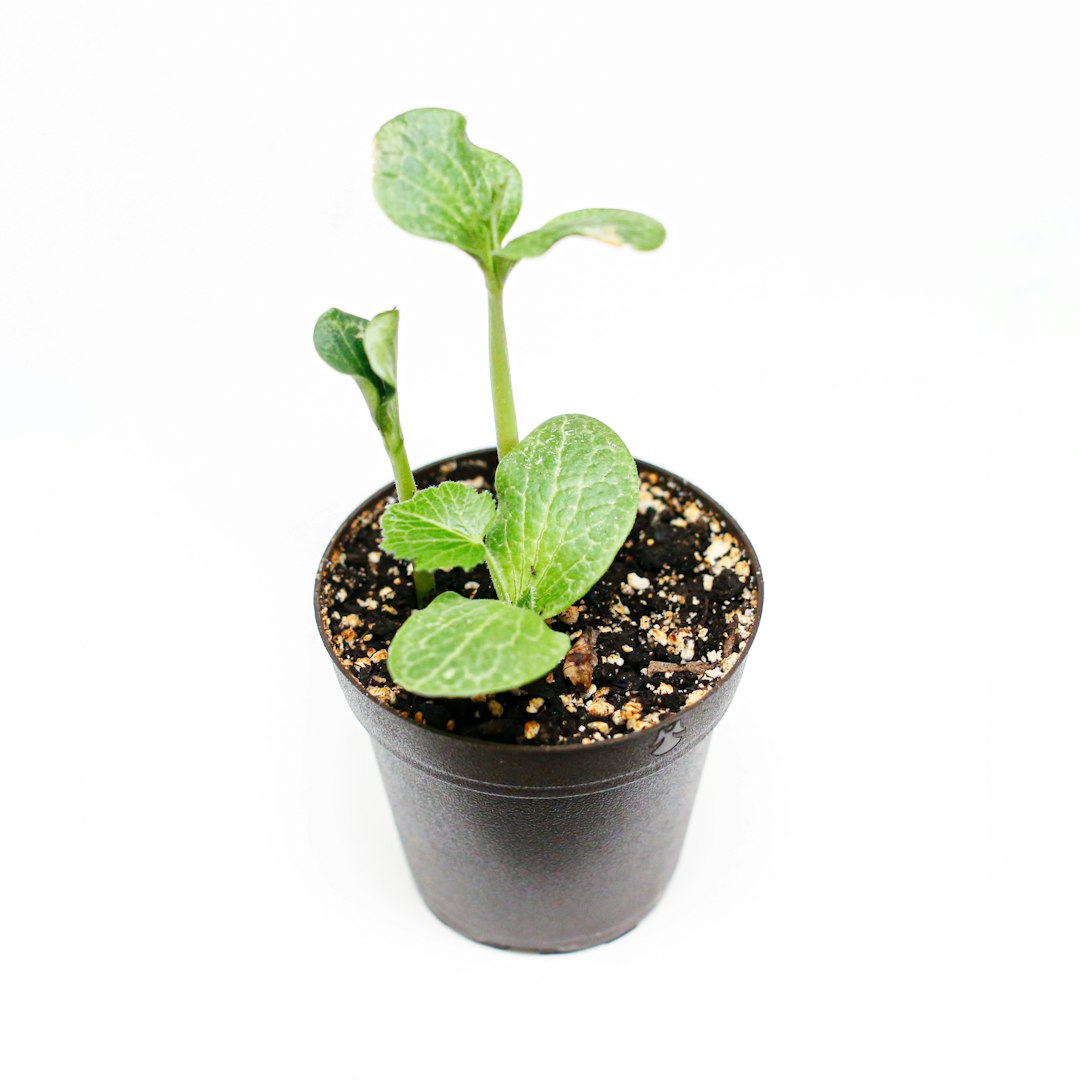
Early bearing and delicious, this is the best large-seeded variety. White seeds. Bush bean. AAS Winner.
Harvest
85d
Days to harvest
Sun
Full sun
Zones
1–11
USDA hardiness
Height
18-24 inches
Planting Timeline
Showing dates for Fordhook 242 in USDA Zone 7
All Zone 7 bean →Zone Map
Click a state to update dates
Fordhook 242 · Zones 1–11
Growing Details
Succession Planting
Direct sow Fordhook 242 every 14–21 days from late April through mid-June in zone 7, which lines up with the UGA Vegetable Garden Calendar's guidance to make successive plantings of lima beans through May. Soil temperature needs to be above 65°F for reliable germination in 7–10 days, so don't rush the first sowing if you had a cold April. Cut off succession plantings by late June — seeds dropped after that point need to reach harvest at 85 days, and cooling nights in October can stall pod fill before the crop finishes.
Complete Growing Guide
Growing Fordhook 242 (Phaseolus lunatus) bean. Light: Full sun. Hardy in USDA zones 1 to 11. Days to maturity: 85. Difficulty: Easy.
Harvesting
Fordhook 242 reaches harvest at 85 days from sowing per Johnny's Selected Seeds. As an annual, harvest continues until frost ends the season.
Edibility: EDIBLE PARTS: Toxicity is only partially destroyed by cooking; therefore do not cook the ornamental, striped beans grown for the flowers and foliage
Storage & Preservation
Freshly harvested Fordhook 242 lima beans keep best in a cool, humid environment between 32–40°F and 85–90% humidity, stored in perforated plastic bags or mesh containers that allow air circulation. Under these conditions, fresh pods maintain quality for 7–10 days; shelled beans last 3–5 days refrigerated. For longer storage, freezing is ideal: blanch shelled beans for 2–3 minutes, cool rapidly in ice water, drain thoroughly, and freeze in airtight containers or freezer bags for up to eight months. Canning is also reliable; pressure-can shelled beans at 10 pounds PSI for 40 minutes (pints) or 50 minutes (quarts). Drying works well for mature, fully developed beans—allow pods to dry on the plant until papery, then shell and store in a cool, dry place. Fordhook 242's thick bean coat resists splitting during blanching, making this variety particularly suited to freezing without quality loss.
History & Origin
The Fordhook 242 lima bean descends from the Fordhook line, a series of improved large-seeded varieties developed by the W. Atlee Burpee Company in the early twentieth century. The original Fordhook lima became a standard American garden variety, and subsequent numbered selections refined plant vigor and seed quality. Fordhook 242 represents a later iteration in this breeding continuum, selected for earlier maturity and consistent performance in home gardens. While specific breeder attribution and exact development year remain undocumented in readily available sources, this variety exemplifies the commercial seed company breeding tradition that dominated American vegetable improvement during the mid-twentieth century.
Origin: Tropics
Advantages
- +Early maturity at 85 days means harvests before late summer heat stress
- +AAS Winner designation confirms superior taste and performance in trials
- +Large white seeds are easier to shell and cook than smaller varieties
- +Bush form requires no trellising, saving space and labor in gardens
- +Excellent flavor makes it ideal for fresh eating and freezing
Considerations
- -Bush growth habit produces lower total yields than pole lima bean varieties
- -Requires consistent moisture; drought stress causes flower drop and reduced pod set
- -Large seeds need warm soil (70°F+) to germinate reliably without rotting
- -All-at-once maturity can overwhelm small gardens with simultaneous harvests
Companion Plants
Corn gives Fordhook 242 something to climb without a trellis, and squash fills the ground below — less bare soil means fewer weeds competing for the consistent moisture limas need through their 85-day run. French marigolds (Tagetes patula) and nasturtiums both attract aphid predators like parasitic wasps, which matters because aphid pressure can build fast on bean foliage in hot weather. Summer savory has a decades-old reputation for deterring Mexican bean beetle specifically — not proven in controlled trials, but cheap enough to test in a border row. Onions, garlic, and fennel all release allelopathic root compounds that interfere with legume nodulation, so keep them at least 18 inches away from your bean rows.
Plant Together
Marigold
Repels bean beetles, aphids, and nematodes while attracting beneficial insects
Nasturtium
Acts as trap crop for aphids and cucumber beetles, deters bean beetles
Corn
Provides natural support structure for climbing beans in three sisters planting
Squash
Ground cover suppresses weeds and retains soil moisture for beans
Carrots
Beans fix nitrogen in soil which carrots utilize, carrots loosen soil for bean roots
Cucumber
Both benefit from similar growing conditions and beans provide nitrogen
Summer Savory
Repels bean beetles and aphids, may improve bean flavor and growth
Radish
Quick-growing radishes break up soil for bean roots and deter bean fly
Keep Apart
Onion
Stunts bean growth and development through root competition and allelopathic compounds
Garlic
Inhibits bean germination and growth through sulfur compounds in soil
Fennel
Releases allelopathic chemicals that inhibit bean growth and nitrogen fixation
Nutrition Facts
Per 100g serving. % Daily Value based on 2,000 calorie diet. Source: USDA FoodData Central (FDC #2346400)
Pests & Disease Resistance
Common Pests
Bean beetles, spider mites, aphids
Diseases
Anthracnose, bean rust, powdery mildew
Troubleshooting Fordhook 242
What you'll see, why it happens, and what to do about it.
Leaves with ragged chunks missing, some browning, on plants around 7 weeks old
Likely Causes
- Mexican bean beetle (Epilachna varivestis) — adults and larvae skeletonize leaves from the underside
- Bean leaf beetle (Cerotoma trifurcata) — chews irregular holes through leaf tissue
What to Do
- 1.Flip leaves and look for yellow egg clusters or orange larvae; crush them by hand if the infestation is light
- 2.Apply spinosad or neem oil to the undersides of leaves in the early morning when beetles are sluggish
- 3.Rotate this bed out of beans and other legumes for at least 2 seasons — adult beetles overwinter in soil near the previous year's planting, per NC State Extension's IPM guidance
Rust-colored pustules on leaf undersides, spreading plant to plant, mid-to-late season
Likely Causes
- Bean rust (Uromyces appendiculatus) — a fungal pathogen that spreads by wind and splashing water, accelerates in humid conditions
- Overhead irrigation or dense planting that keeps foliage wet for extended periods
What to Do
- 1.Pull and trash (don't compost) any heavily infected leaves as soon as you spot them
- 2.Switch to a soaker hose if you're not already using one — 1 inch per week at soil level keeps foliage dry
- 3.Don't replant beans in the same bed for 2–3 years; rust spores persist in crop debris
Frequently Asked Questions
How long does Fordhook 242 bean take to produce beans?▼
Is Fordhook 242 a good bean variety for beginner gardeners?▼
Can you grow Fordhook 242 beans in containers?▼
What do Fordhook 242 beans taste like?▼
When should I plant Fordhook 242 bean seeds?▼
Why is Fordhook 242 considered the best large-seeded bean variety?▼
Zone-by-Zone Planting Calendar
| Zone | Indoor Start | Transplant | Direct Sow | Harvest |
|---|---|---|---|---|
| Zone 3 | — | — | June – July | September – October |
| Zone 4 | — | — | June – July | September – October |
| Zone 5 | — | — | May – June | September – October |
| Zone 6 | — | — | May – June | August – October |
| Zone 7 | — | — | April – June | August – September |
| Zone 8 | — | — | April – May | July – September |
| Zone 9 | — | — | March – April | June – August |
| Zone 10 | — | — | February – April | June – July |
| Zone 1 | — | — | July – August | October – August |
| Zone 2 | — | — | June – August | October – September |
| Zone 11 | — | — | January – March | May – June |
| Zone 12 | — | — | January – March | May – June |
| Zone 13 | — | — | January – March | May – June |
Growing Guides from Wind River Greens
Sources & References
External authority sources used in compiling this guide.
- BreederJohnny's Selected Seeds
- USDAUSDA FoodData Central
See the Methodology page for how this data is sourced, what's AI-assisted, and known limitations.