Haricot Vert Cornelia
Phaseolus vulgaris 'Cornelia'
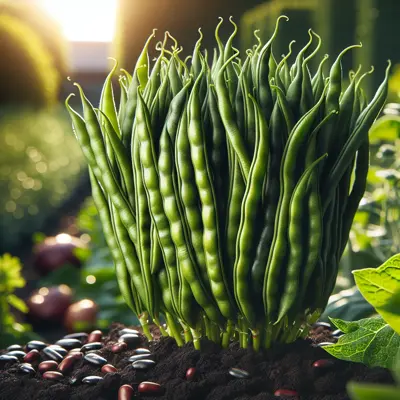
The ultimate gourmet French filet bean that produces incredibly slender, tender pods prized by fine restaurants and home cooks alike. These pencil-thin beans maintain their delicate texture and refined flavor even when mature, offering the authentic French haricot vert experience in your own garden. Perfect for gardeners who appreciate culinary excellence and want to elevate their cooking with truly premium ingredients.
Harvest
50-55d
Days to harvest
Sun
Full sun
Zones
2–11
USDA hardiness
Difficulty
Moderate
Planting Timeline
Showing dates for Haricot Vert Cornelia in USDA Zone 7
All Zone 7 bean →Zone Map
Click a state to update dates
Haricot Vert Cornelia · Zones 2–11
Growing Details
Succession Planting
In zone 7, direct sow Cornelia every 14 days starting around April 1, once soil temps are consistently above 60°F. Each sowing delivers a 7-10 day harvest window at 50-55 days out, so staggering keeps pods coming through July rather than one giant glut. The UGA Vegetable Garden Calendar recommends a third snap bean planting in May — a late-April and a late-May sowing are the two I lean on most, with the May sowing timed to keep harvest coming into early August.
Stop sowing by mid-June. Beans germinating into July heat — daytime highs above 90°F — tend to drop flowers without setting pods, and you'll lose the planting to heat stress before first frost is even a concern. If you want a fall run, push a final direct sow around mid-August once nights cool back below 75°F, targeting harvest before the first hard frost (typically mid-November in zone 7).
Complete Growing Guide
Haricot Vert Cornelia thrives best when direct sown into the garden after all danger of frost has passed and soil temperatures reach at least 60°F, ideally 65-70°F. In most regions, this means sowing 1-2 weeks after your last spring frost date. These French filet beans germinate quickly in warm soil and don't transplant well due to their delicate root systems, so skip the indoor sowing approach and direct seed instead.
Prepare your garden bed with rich, well-draining soil amended with compost or aged manure several weeks before planting. Cornelia prefers slightly acidic to neutral soil with a pH between 6.0 and 7.0. Space seeds 4-5 inches apart in rows 18-24 inches apart, pressing them 1-1.5 inches deep into the soil. These slender, refined beans benefit from consistent spacing to ensure adequate air circulation, which helps prevent the fungal diseases this variety is susceptible to. Thin seedlings to proper spacing once they've emerged if you've sown more densely.
Water consistently throughout the growing season, aiming for 1-1.5 inches per week through rainfall or irrigation. Cornelia's pencil-thin pods require steady moisture to develop their signature tenderness; inconsistent watering causes splitting, toughness, and disappointing flavor. Water at soil level rather than overhead to minimize leaf wetness and fungal pressure. Feed with a balanced fertilizer every 3-4 weeks once flowering begins, or use a gentle fish emulsion to avoid excess nitrogen, which promotes foliage at the expense of pod production.
Cornelia is particularly vulnerable to bacterial blight in humid conditions, so never work among wet plants and remove any leaves showing brown, water-soaked lesions immediately. Watch closely for spider mites and thrips, which love hot, dry conditions and can quickly damage the tender foliage; spray with neem oil at first sign of damage. Bean beetles and aphids may appear—handpick beetles and their egg clusters, and use insecticidal soap for aphids if populations spike.
For optimal productivity, consider light trellising or staking, as it improves air flow around plants and makes harvesting the delicate 5-6 inch pods easier on your back. Succession plant every 2-3 weeks until mid-summer for continuous harvests through fall. This variety performs brilliantly with succession planting since each sowing extends your season without exhausting individual plants.
The single most critical mistake gardeners make with Haricot Vert Cornelia is harvesting too late. These beans must be picked when pods are still slim and tender—typically 50-55 days after sowing, but often earlier depending on conditions. Waiting until pods fatten defeats the entire purpose of growing this gourmet variety. Check plants every 2-3 days during peak season; mature beans lose their signature delicate flavor and silky texture within days.
Harvesting
Harvest Haricot Vert Cornelia when pods reach 5-7 inches long and display a bright, vibrant green color with a tender snap between your fingers; at this stage, they maintain their signature pencil-thin delicacy and refined flavor. Pick continuously every 2-3 days rather than waiting for a single mature harvest, as frequent picking encourages prolific production throughout the season and prevents pods from becoming fibrous and tough. For optimal results, harvest in early morning after dew has dried, when pods are at peak crispness and contain maximum sugar content, ensuring the most delicate texture and subtle sweetness that defines this premium French cultivar.
The boat-shaped seed pods are bilaterally symmetrical and can be green, yellow, white, or purple at maturity. There is a wide variety of color and shape choices among cultivars.
Color: Gold/Yellow, Green, Purple/Lavender, White. Type: Legume. Length: > 3 inches. Width: < 1 inch.
Garden value: Edible, Good Dried
Harvest time: Fall, Summer
Storage & Preservation
Fresh Haricot Vert Cornelia maintains peak quality for 5-7 days when stored in perforated plastic bags in the refrigerator crisper drawer. Don't wash until ready to use, as excess moisture accelerates deterioration.
For freezing, blanch whole beans in boiling water for 2-3 minutes, immediately plunge into ice water, then drain thoroughly before vacuum sealing or freezing in zip-top bags. Properly blanched haricot verts maintain their delicate texture for up to 8 months frozen.
Pickling works beautifully with these slender beans—use a light vinegar brine with herbs like tarragon or thyme to complement their subtle flavor. Lacto-fermentation also preserves their crisp texture while adding beneficial probiotics. Avoid pressure canning as the high heat destroys the delicate texture that makes this variety special.
History & Origin
While detailed documentation on the specific origins of 'Cornelia' remains limited in widely accessible sources, this variety belongs to the distinguished lineage of French filet beans developed through European horticultural traditions. 'Cornelia' represents the refinement of haricot vert breeding that emerged from French and Italian seed programs emphasizing ultra-slender pod development and extended tenderness. Like many modern haricot vert cultivars, it likely derives from traditional European landraces selectively bred for the demanding standards of fine dining establishments. The variety exemplifies the ongoing European commitment to preserving and improving this culinary bean category, though its specific breeder attribution and introduction year require further historical verification from seed company archives.
Origin: Tropical America
Advantages
- +Produces exceptionally slender, tender pods perfect for gourmet French cuisine
- +Maintains delicate texture and refined flavor even when beans mature
- +Ready to harvest in just 50-55 days for quick gardener gratification
- +Pencil-thin pods stay crispy and tender longer than standard varieties
- +Authentic haricot vert experience elevates home cooking to restaurant quality
Considerations
- -Moderate difficulty level requires careful attention to growing conditions
- -Susceptible to multiple diseases including bacterial blight and white mold
- -Vulnerable to multiple pest pressures from aphids, beetles, and spider mites
- -Delicate nature demands consistent moisture and careful handling during growth
Companion Plants
Marigolds and nasturtiums are the two I'd put along the edges of a bean bed first. French marigold types like 'Petite Gold' help deter aphids and thrips — both flagged by NC State Extension as common bean pests — while nasturtiums act as a sacrificial host, pulling aphid colonies onto themselves before they build up on Cornelia. Radishes tucked in at the base of the plants are worth the seed: as NC State Extension's vegetable gardening notes point out, quick-maturing crops planted beneath taller ones use space without competing for light, and radishes are out of the ground in 25-30 days before the beans need the root zone. Summer savory has a long-standing reputation as a bean companion, and around here in zone 7 Georgia it's easy enough to direct sow between rows without much fuss.
Onions and other alliums inhibit bean growth through a real allelopathic effect — keep them at least 3-4 feet away. Fennel is the same story; NC State Extension notes that some plants produce root toxins that impede neighboring crops, and fennel is reliably one of the worst offenders. Sunflowers also produce allelopathic compounds and should stay well clear of the bean bed for the same reason.
Plant Together
Marigold
Repels bean beetles, aphids, and nematodes while attracting beneficial insects
Nasturtium
Acts as trap crop for aphids and cucumber beetles, deters bean beetles
Carrots
Loosens soil for bean roots, doesn't compete for nutrients, beans provide nitrogen
Radishes
Breaks up soil, repels bean beetles, quick harvest before beans need space
Summer Savory
Improves bean flavor, repels bean beetles and aphids
Corn
Provides natural trellis support, beans fix nitrogen for corn
Lettuce
Shallow roots don't compete, beans provide shade and nitrogen
Rosemary
Repels bean beetles, carrot flies, and cabbage moths
Keep Apart
Onions
Inhibits bean growth and nitrogen fixation through root secretions
Sunflowers
Allelopathic compounds inhibit bean germination and growth
Fennel
Inhibits growth of most garden plants including beans through allelopathy
Nutrition Facts
Per 100g serving. % Daily Value based on 2,000 calorie diet. Source: USDA FoodData Central (FDC #2346400)
Pests & Disease Resistance
Resistance
Moderate resistance to common bean mosaic and bacterial diseases
Common Pests
Aphids, spider mites, bean beetles, thrips
Diseases
Bacterial blight, anthracnose, white mold, bean rust
Troubleshooting Haricot Vert Cornelia
What you'll see, why it happens, and what to do about it.
Leaves with irregular chunks missing, bronze or stippled discoloration between veins, tiny webbing on leaf undersides — usually weeks 4-7 after germination
Likely Causes
- Mexican bean beetle (Epilachna varivestis) — larvae skeletonize leaf undersides, adults chew through
- Spider mites (Tetranychus urticae) — explode in hot, dry weather above 85°F
What to Do
- 1.Scout the undersides of leaves every 2-3 days; hand-pick and crush Mexican bean beetle egg clusters (yellow, oval, on leaf undersides) before they hatch
- 2.For spider mites, hit the undersides of leaves with a strong jet of water in the early morning to knock populations down
- 3.If pressure is heavy, apply neem oil or insecticidal soap at dusk — don't spray midday or you'll burn the foliage
Water-soaked, then brown angular spots on leaves with yellow halos, sometimes oozing in humid weather — often appearing after a stretch of rain
Likely Causes
- Bacterial blight (Pseudomonas syringae pv. phaseolicola or Xanthomonas axonopodis pv. phaseoli) — spreads fast when foliage stays wet
What to Do
- 1.Stop overhead watering immediately; switch to drip or soaker hose to keep foliage dry
- 2.Remove and bag (don't compost) any heavily infected stems and leaves
- 3.NC State Extension recommends rotating beans out of infected beds for at least 2-3 seasons — bacterial blight persists in crop debris, so clean the bed thoroughly at season's end
Rusty orange pustules on leaf undersides with corresponding yellow spots on top — usually mid-season during warm, humid stretches
Likely Causes
- Bean rust (Uromyces appendiculatus) — a fungal disease that spreads by wind-blown spores and thrives when nights stay above 60°F with heavy dew
What to Do
- 1.Pull off and trash (not compost) affected leaves as soon as you spot the pustules — each pustule releases thousands of spores
- 2.Thin to the recommended 3-4 inch spacing and clear weeds to open up the canopy; the UGA Vegetable Garden Calendar specifically flags weed control because crowded, moist plantings are where rust takes hold
- 3.Apply a sulfur-based fungicide at first sign if the planting has more than a week left to harvest; stop applications 7 days before picking
Frequently Asked Questions
How long does Haricot Vert Cornelia take to grow from seed to harvest?▼
Can you grow Haricot Vert Cornelia in containers?▼
What's the difference between Haricot Vert Cornelia and regular green beans?▼
Is Haricot Vert Cornelia good for beginners?▼
When should I plant Haricot Vert Cornelia seeds?▼
Why are my Haricot Vert Cornelia beans tough and stringy?▼
Zone-by-Zone Planting Calendar
| Zone | Indoor Start | Transplant | Direct Sow | Harvest |
|---|---|---|---|---|
| Zone 1 | — | — | July – August | September – August |
| Zone 2 | — | — | June – August | September – September |
| Zone 11 | — | — | January – March | April – May |
| Zone 12 | — | — | January – March | April – May |
| Zone 13 | — | — | January – March | April – May |
| Zone 3 | — | — | June – July | August – October |
| Zone 4 | — | — | June – July | August – October |
| Zone 5 | — | — | May – June | August – September |
| Zone 6 | — | — | May – June | July – September |
| Zone 7 | — | — | April – June | July – August |
| Zone 8 | — | — | April – May | June – August |
| Zone 9 | — | — | March – April | May – July |
| Zone 10 | — | — | February – April | May – June |
Growing Guides from Wind River Greens
Sources & References
External authority sources used in compiling this guide.
See the Methodology page for how this data is sourced, what's AI-assisted, and known limitations.