Yard Long Bean
Vigna unguiculata subsp. sesquipedalis
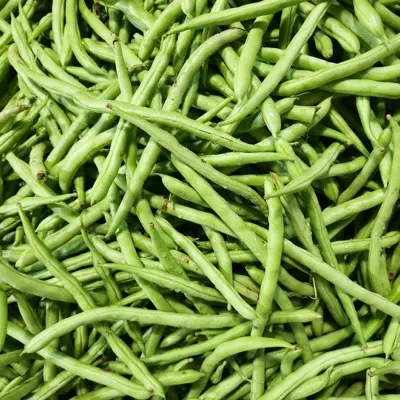
An exotic Asian climbing bean that produces dramatically long, slender pods up to 3 feet in length, creating a stunning conversation piece in any garden. Also known as Chinese long beans or asparagus beans, these vigorous vines are heat-loving and incredibly productive in warm climates. The tender young pods have a unique flavor that's nuttier and more complex than regular green beans, making them prized in Asian cuisine.
Harvest
80-90d
Days to harvest
Sun
Full sun
Zones
11–11
USDA hardiness
Height
5-10 feet
Planting Timeline
Showing dates for Yard Long Bean in USDA Zone 7
All Zone 7 bean →Zone Map
Click a state to update dates
Yard Long Bean · Zones 11–11
Growing Details
Succession Planting
Direct sow every 14 to 21 days starting around April 1 in zone 7, and run successions through early June. Stop once daytime highs are consistently above 90°F — at that point pod set drops off sharply and the vines stall rather than produce. The UGA Vegetable Garden Calendar suggests a third bean planting in May, which tracks well here; a late-April and a late-May sowing will stagger your August–September harvest window without pushing pod fill into the worst of the heat.
Yard long beans need 80 to 90 days, so a June 1 sowing puts harvest in late August — doable, but spider mite pressure will be at its peak by then. Anything sown after June 10 in zone 7 is a gamble on whether you'll get a real harvest before the first cool snap slows the vines.
Complete Growing Guide
Light: Full sun (6 or more hours of direct sunlight a day). Soil: Clay, High Organic Matter, Loam (Silt), Sand. Soil pH: Acid (<6.0), Neutral (6.0-8.0). Drainage: Good Drainage, Moist, Occasionally Dry. Height: 5 ft. 0 in. - 10 ft. 0 in.. Spread: 1 ft. 0 in. - 3 ft. 0 in.. Spacing: 12 inches-3 feet. Growth rate: Rapid. Maintenance: Low. Regions: Coastal, Mountains, Piedmont.
Harvesting
Fruits are 10 to 18 inches long. Various cultivars are available: some with green fruits and others with purple or burgundy fruits.
Color: Green, Purple/Lavender, Red/Burgundy. Type: Legume. Length: > 3 inches. Width: < 1 inch.
Garden value: Edible
Harvest time: Summer
Edibility: Fruits are edible when immature. The seeds can be harvested for dried beans.
Storage & Preservation
Fresh yard long beans store best in the refrigerator crisper drawer, wrapped loosely in perforated plastic bags to maintain humidity while preventing condensation. They'll maintain peak quality for 4-5 days, though they remain edible for up to a week. Avoid washing before storage—clean just before use.
For freezing, blanch whole pods in boiling water for 3 minutes, then plunge into ice water. Cut into 2-inch segments before freezing in portions sized for single meals. Properly blanched yard long beans maintain good texture for 8-10 months frozen.
Dehydrating works exceptionally well with these beans—slice into thin rounds and dry at 125°F until brittle. The dried beans rehydrate beautifully in soups and stews. For fermentation, cut pods into 3-inch lengths and lacto-ferment with salt brine, creating a tangy pickle popular in Southeast Asian cuisine.
History & Origin
Origin: Tropical Africa
Advantages
- +Edible: Fruits are edible when immature. The seeds can be harvested for dried beans.
- +Fast-growing
- +Low maintenance
Companion Plants
Marigolds (Tagetes spp.) are the most reliable pairing — their root and foliar chemical emissions deter aphids and bean beetles, and in our zone 7 Georgia garden where Aphis craccivora pressure spikes fast once June heat sets in, having that buffer already established matters. Corn is worth planting nearby for structural reasons: the stalks give the vines a second climbing option and the two crops don't fight much for nutrients since yard longs fix their own nitrogen through Rhizobium bacteria in the roots. Radishes pulled at 25 to 30 days loosen the top few inches of soil and can disrupt the egg-laying of root-feeding insects without competing for space. Keep onions and garlic out of the same bed — alliums suppress those same Rhizobium bacteria, which undercuts the one soil-building benefit this crop actually delivers.
Plant Together
Marigold
Repels bean beetles, aphids, and nematodes while attracting beneficial insects
Basil
Repels aphids, spider mites, and thrips that commonly attack beans
Corn
Provides natural support structure for climbing beans while beans fix nitrogen for corn
Cucumber
Compatible growth habits and beans improve soil nitrogen for cucumbers
Radish
Breaks up soil for bean roots and deters cucumber beetles
Nasturtium
Acts as trap crop for aphids and bean beetles while attracting beneficial predators
Summer Squash
Ground cover reduces weeds and retains moisture for bean roots
Catnip
Repels aphids, ants, and flea beetles that damage bean plants
Keep Apart
Onion
Inhibits bean growth and nitrogen fixation through root secretions
Garlic
Stunts bean growth and interferes with beneficial rhizobia bacteria
Fennel
Produces allelopathic compounds that inhibit bean germination and growth
Nutrition Facts
Per 100g serving. % Daily Value based on 2,000 calorie diet. Source: USDA FoodData Central (FDC #2346400)
Pests & Disease Resistance
Resistance
Good heat tolerance, resistant to many bean diseases
Common Pests
Bean pod borer, aphids, spider mites, cowpea curculio
Diseases
Bacterial blight, rust, mosaic virus, root rot
Troubleshooting Yard Long Bean
What you'll see, why it happens, and what to do about it.
Pods have small, dark entry holes and the interior is hollowed out or contains a small caterpillar, typically noticed at harvest
Likely Causes
- Bean pod borer (Maruca vitrata) — moth larva that bores directly into developing pods
- Planting later in the season when adult moth populations peak
What to Do
- 1.Pick pods early and often — at 12 to 18 inches, before they fully fill out — to reduce the window for infestation
- 2.Apply Bacillus thuringiensis (Bt) spray at dusk when you first see flower buds, and repeat every 5 to 7 days during bloom
- 3.Destroy infested pods; don't compost them
Leaves have ragged chunks missing and some are browning, with visible small beetles or weevils on the stems and pods
Likely Causes
- Cowpea curculio (Chalcodermus aeneus) — a dark, rough-textured weevil specific to cowpea-family crops
- Aphid colonies (Aphis craccivora) clustered on new growth, causing leaf curl and stunting alongside the physical feeding damage
What to Do
- 1.Handpick cowpea curculio adults in early morning when they're sluggish; drop them in soapy water
- 2.For aphids, knock them off with a firm stream of water on three consecutive mornings — that alone breaks most light infestations
- 3.NC State Extension's IPM framework recommends scouting every other day during the first 7 weeks; catching either pest before numbers build is worth more than any spray
Water-soaked spots on leaves that turn brown with yellow halos, sometimes spreading to pods and producing a foul-smelling rot
Likely Causes
- Bacterial blight (Pseudomonas savastanoi pv. phaseolicola or Xanthomonas axonopodis pv. phaseoli) — spreads quickly in warm, wet conditions
- Working in the garden while foliage is wet, or overhead irrigation that keeps leaves damp for hours
What to Do
- 1.Switch to drip or soaker-hose irrigation and keep water off the leaves entirely
- 2.Remove and bag affected leaves and stems immediately — trash, not compost
- 3.Rotate this bed out of beans and other legumes for at least 2 seasons; NC State's organic gardening notes cite crop rotation as the primary tool for breaking recurring bean disease cycles
Leaves show fine bronze stippling with tiny webbing on the undersides, usually appearing during hot, dry stretches in July or August
Likely Causes
- Two-spotted spider mite (Tetranychus urticae) — populations explode when temperatures exceed 90°F and humidity drops
- Water-stressed, dusty plants are hit hardest and recover slowest
What to Do
- 1.Hit the undersides of leaves with a hard stream of water — spider mites desiccate easily and this alone can collapse a mild outbreak
- 2.Apply insecticidal soap or neem oil in the early morning when temps are below 85°F; repeat every 5 days for 2 to 3 applications
- 3.Maintain 1 inch of water per week and lay 2 to 3 inches of straw mulch to hold soil moisture and moderate root-zone temperature
Frequently Asked Questions
How long do yard long beans take to grow from seed?▼
Can you grow yard long beans in containers?▼
What do yard long beans taste like compared to regular green beans?▼
When should I plant yard long beans?▼
Are yard long beans good for beginner gardeners?▼
How do you know when yard long beans are ready to harvest?▼
Zone-by-Zone Planting Calendar
| Zone | Indoor Start | Transplant | Direct Sow | Harvest |
|---|---|---|---|---|
| Zone 3 | — | — | June – July | September – October |
| Zone 4 | — | — | June – July | September – October |
| Zone 5 | — | — | May – June | September – October |
| Zone 6 | — | — | May – June | August – October |
| Zone 7 | — | — | April – June | August – September |
| Zone 8 | — | — | April – May | July – September |
| Zone 9 | — | — | March – April | June – August |
| Zone 10 | — | — | February – April | June – July |
| Zone 1 | — | — | July – August | October – August |
| Zone 2 | — | — | June – August | October – September |
| Zone 11 | — | — | January – March | May – June |
| Zone 12 | — | — | January – March | May – June |
| Zone 13 | — | — | January – March | May – June |
Growing Guides from Wind River Greens
Sources & References
External authority sources used in compiling this guide.
See the Methodology page for how this data is sourced, what's AI-assisted, and known limitations.