Vroma
Vicia faba
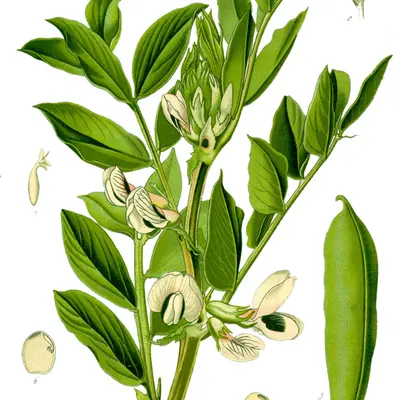
Vroma produces large, 6 1/2-7" pods with 4-5 large seeds. Cook like a shell bean when the seeds are pale green. Strong, heat tolerant plants resist lodging. Light brown seeds. Bush bean.
Harvest
75d
Days to harvest
Sun
Full sun
Zones
1–11
USDA hardiness
Height
18-24 inches
Planting Timeline
Showing dates for Vroma in USDA Zone 7
All Zone 7 bean →Zone Map
Click a state to update dates
Vroma · Zones 1–11
Growing Details
Succession Planting
Direct sow every 3 weeks from April 1 through early June in zone 7, backing your final sowing to no later than June 10 so plants reach the 75-day mark before sustained heat arrives. Faba beans drop flowers and stall pod set once daytime temperatures push consistently above 85°F — so count backward from your first reliably hot week and that's your cutoff. A fall run is worth trying in zones 7–8: sow again in late August or early September for harvest in October through November, ahead of hard frost.
Complete Growing Guide
Light: Full sun (6 or more hours of direct sunlight a day). Soil: Clay, Loam (Silt), Sand. Soil pH: Acid (<6.0), Alkaline (>8.0), Neutral (6.0-8.0). Drainage: Good Drainage, Occasionally Dry. Spacing: 12 inches-3 feet. Growth rate: Rapid. Maintenance: Medium. Propagation: Seed. Regions: Coastal, Mountains, Piedmont.
Harvesting
The fruit is a narrowly oblong flattened pod up to 11 inches long containing up to 6 seeds. The seeds are .5 to 1 inch in diameter and are oval and compressed. The colors of the seeds range from brown to reddish or green.
Color: Brown/Copper, Green, Red/Burgundy. Type: Legume. Length: > 3 inches. Width: < 1 inch.
Garden value: Edible
Harvest time: Fall, Summer
Edibility: Faba bean is widely grown for its nutritious seeds and pods. The dry, mature seeds are popular in dishes throughout the Middle East, Mediterranean countries, China and Ethiopia and in many other countries the green immature seeds and pods are eaten as a vegetable. It is also used in animal feed for pigs, horses, poultry and pigeons.
Storage & Preservation
Store freshly harvested Vroma pods in perforated plastic bags at 2–5°C with 90–95% humidity; they'll keep for 7–10 days under these conditions. For longer storage, freeze shelled beans blanched for 3 minutes, then cool rapidly and pack in airtight containers—they retain quality for up to 8 months. Drying is also effective; shell mature pods, spread beans on screens in warm, well-ventilated space until brittle (2–3 weeks), then store in sealed containers away from moisture. Canning whole pods works well using a pressure canner to ensure safety. Vroma's relatively thin skin makes it particularly suited to freezing, as it thaws without becoming tough if you don't overcook the blanching step.
History & Origin
Origin: Middle East
Advantages
- +Attracts: Bees, Pollinators
- +Edible: Faba bean is widely grown for its nutritious seeds and pods. The dry, mature seeds are popular in dishes throughout the Middle East, Mediterranean countries, China and Ethiopia and in many other countries the green immature seeds and pods are eaten as a vegetable. It is also used in animal feed for pigs, horses, poultry and pigeons.
- +Fast-growing
Considerations
- -Toxic (Flowers, Fruits): Low severity
Companion Plants
Marigolds at the bed edges push back aphids and bean beetles through scent disruption without competing for root space at the 6-inch depth faba beans occupy. Summer savory is the one worth tucking in close — it's a centuries-old faba bean pairing specifically tied to bean beetle deterrence, and it stays compact enough not to shade the crop. Corn and squash pull nitrogen that faba beans fix through root bacteria, so a loose three-sisters arrangement earns back some of what you put in. Onions and fennel both suppress legume growth at the root level, and sunflowers release allelopathic compounds that can stunt anything planted within a couple of feet — keep all three well away.
Plant Together
Marigold
Repels bean beetles, aphids, and nematodes while attracting beneficial insects
Basil
Repels aphids, spider mites, and thrips that commonly attack beans
Corn
Provides natural support structure for climbing beans in three sisters planting
Squash
Ground cover reduces weeds and retains soil moisture for bean roots
Carrots
Loose soil and attract beneficial insects without competing for nitrogen
Nasturtium
Trap crop for aphids and bean beetles, also repels cucumber beetles
Summer Savory
Improves bean flavor and growth while deterring bean beetles
Radish
Quick harvest frees space and may deter bean root fly
Keep Apart
Onion
Inhibits bean growth and nitrogen fixation through root secretions
Sunflower
Allelopathic compounds inhibit bean germination and growth
Fennel
Strong allelopathic effects stunt bean growth and reduce yields
Nutrition Facts
Per 100g serving. % Daily Value based on 2,000 calorie diet. Source: USDA FoodData Central (FDC #2346400)
Pests & Disease Resistance
Common Pests
Bean beetles, spider mites, aphids
Diseases
Powdery mildew, anthracnose, rust
Troubleshooting Vroma
What you'll see, why it happens, and what to do about it.
Leaves with ragged chunks missing, some browning, noticed around week 5–7 after direct sow
Likely Causes
- Mexican bean beetle (Epilachna varivestis) — larvae and adults both chew leaf tissue, leaving a skeletonized or tattered look
- Bean leaf beetle (Cerotoma trifurcata) — creates round holes, often confused with Mexican bean beetle damage
What to Do
- 1.Flip leaves and check the undersides for yellow egg clusters or orange larvae; crush them by hand before populations build
- 2.Apply spinosad or pyrethrin if feeding damage covers more than 30% of foliage — follow label re-entry intervals
- 3.Rotate faba beans out of that bed for at least 2 seasons; the UGA Vegetable Garden Calendar lists Mexican bean beetle and bean leaf beetle among the top 10 pest threats and flags early discovery as your most effective control
White powdery coating spreading across upper leaf surfaces during warm, dry stretches
Likely Causes
- Powdery mildew (Erysiphe polygoni or related species) — thrives at 70–80°F with low humidity; doesn't need wet leaves to spread
- Dense canopy from plants allowed to crowd past 6-inch spacing, cutting airflow between stems
What to Do
- 1.Pull and bag the worst-affected leaves immediately — don't compost them
- 2.Spray potassium bicarbonate or dilute neem oil on a 7-day interval while conditions persist
- 3.Space rows at least 18 inches apart even if within-row spacing stays at 6 inches; faba beans get bushy enough that row spacing does most of the airflow work
Frequently Asked Questions
How long does Vroma bean take to grow from seed to harvest?▼
Is Vroma a good bean for beginners?▼
Can you grow Vroma beans in containers?▼
What does Vroma taste like as a shell bean?▼
When should I plant Vroma beans?▼
Why do my Vroma bean plants lodge or fall over?▼
Zone-by-Zone Planting Calendar
| Zone | Indoor Start | Transplant | Direct Sow | Harvest |
|---|---|---|---|---|
| Zone 3 | — | — | June – July | September – October |
| Zone 4 | — | — | June – July | September – October |
| Zone 5 | — | — | May – June | August – October |
| Zone 6 | — | — | May – June | August – October |
| Zone 7 | — | — | April – June | August – September |
| Zone 8 | — | — | April – May | July – September |
| Zone 9 | — | — | March – April | June – August |
| Zone 10 | — | — | February – April | June – July |
| Zone 1 | — | — | July – August | October – August |
| Zone 2 | — | — | June – August | October – September |
| Zone 11 | — | — | January – March | May – June |
| Zone 12 | — | — | January – March | May – June |
| Zone 13 | — | — | January – March | May – June |
Growing Guides from Wind River Greens
Sources & References
External authority sources used in compiling this guide.
- ExtensionNC State Extension
- BreederJohnny's Selected Seeds
- USDAUSDA FoodData Central
See the Methodology page for how this data is sourced, what's AI-assisted, and known limitations.