Vermont Cranberry Bush Bean
Phaseolus vulgaris 'Vermont Cranberry'
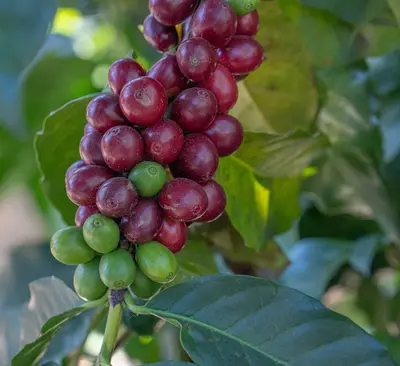
A beloved New England heirloom that's been grown in Vermont gardens since the 1700s, featuring beautiful burgundy-red beans that resemble cranberries when dried. This compact bush variety is perfectly adapted to shorter growing seasons and produces reliable yields of flavorful beans that have sustained New England families for centuries. The rich color and exceptional flavor make it a favorite for traditional baked bean recipes and modern farm-to-table cuisine.
Harvest
85-90d
Days to harvest
Sun
Full sun
Zones
2–11
USDA hardiness
Difficulty
Easy
Planting Timeline
Showing dates for Vermont Cranberry Bush Bean in USDA Zone 7
All Zone 7 bean →Zone Map
Click a state to update dates
Vermont Cranberry Bush Bean · Zones 2–11
Growing Details
Succession Planting
Direct sow Vermont Cranberry every 14–21 days from late April through mid-June in zone 7, targeting soil temps above 60°F at planting depth. At 85–90 days to maturity, a sowing on June 15 still reaches harvest by mid-September ahead of first frost. Stop sowing once daytime highs are consistently above 90°F — bean flowers abort in that heat and pod set drops sharply. The UGA Vegetable Garden Calendar recommends a third bean planting in May for exactly this reason: staggering keeps harvest coming in waves rather than all at once.
Complete Growing Guide
Vermont Cranberry Bush Beans thrive when direct sown into warm soil after all danger of frost has passed. Unlike some bean varieties, these compact plants don't benefit from indoor starting, as they prefer to be seeded directly where they'll grow. Wait until soil temperatures reach at least 60°F, ideally 65–70°F, which typically falls two to three weeks after your region's last spring frost. This timing ensures the seeds won't rot in cool, wet soil and will germinate quickly and reliably.
Prepare your planting bed by working in compost or aged manure to create loose, well-draining soil rich in organic matter. Vermont Cranberry Bush Beans prefer slightly acidic to neutral soil with a pH between 6.0 and 7.0. Sow seeds one inch deep, spacing them two to three inches apart in rows set eighteen inches apart. The compact bush habit of this heirloom variety means it won't sprawl like pole beans, so you can plant them more densely without crowding.
Water consistently throughout the growing season, providing about one inch of water per week through rainfall or irrigation. During hot, dry spells, increase watering to prevent stress, which can reduce flowering and pod set. These beans don't require heavy feeding if your soil was properly amended before planting, but a balanced fertilizer applied once at mid-season can support continuous production through the 85–90-day harvest window.
The burgundy coloring that makes Vermont Cranberry Bush Beans so prized also makes them susceptible to certain pests. Mexican bean beetles are particularly drawn to the foliage, so scout plants twice weekly starting in early summer and hand-pick yellow egg clusters from leaf undersides. Bean leaf beetles can cause similar damage; reflective mulches sometimes deter them. Aphids cluster on new growth; spray with water or insecticidal soap if populations spike. Watch for bacterial blight, which appears as angular brown spots on leaves and pods—remove affected foliage immediately and avoid working in wet plants. White mold thrives in dense plantings with poor air circulation, so resist the temptation to overcrowd, even though the bush form seems compact.
One crucial mistake gardeners make with Vermont Cranberry Bush Beans is harvesting too late. Waiting until beans are fully mature and the pods dry on the plant reduces yields from fresh pod harvests and attracts more disease pressure. Pick tender pods when they snap cleanly, usually within seven to ten days of flowering, if eating fresh. For drying and cooking in classic baked bean recipes, allow pods to mature fully but harvest before frost kills the plants, then cure indoors.
Harvesting
Vermont Cranberry Bush Beans reach peak harvest readiness when the pods transition from green to a deep burgundy-red color and feel firm yet slightly yielding to gentle pressure, with beans visibly bulging beneath the pod skin. For maximum productivity, practice continuous harvesting by picking mature pods every two to three days rather than waiting for a single large harvest, as this encourages the plant to produce additional flowers and extend your yield throughout the season. A crucial timing tip: harvest in the early morning after dew has dried but before afternoon heat, as pods are most tender and snap cleanly at this time, reducing plant stress and damage to fragile stems.
The boat-shaped seed pods are bilaterally symmetrical and can be green, yellow, white, or purple at maturity. There is a wide variety of color and shape choices among cultivars.
Color: Gold/Yellow, Green, Purple/Lavender, White. Type: Legume. Length: > 3 inches. Width: < 1 inch.
Garden value: Edible, Good Dried
Harvest time: Fall, Summer
Storage & Preservation
Fresh Vermont Cranberry beans keep 4-5 days in the refrigerator stored in perforated plastic bags. For longer storage, blanch shelled fresh beans for 3 minutes, cool in ice water, then freeze in portions for up to 8 months.
For dried beans, complete drying by spreading harvested pods on screens in a warm, airy location for 2-3 weeks until beans rattle freely. Shell when fully dry and store in airtight containers in a cool, dark place where they'll keep for 2-3 years. Freeze dried beans for 48 hours before storage to eliminate any bean weevil eggs. The dried beans are perfect for traditional New England baked bean recipes and maintain their shape beautifully in long-cooking applications. Their rich, earthy flavor actually improves with age, making them ideal for winter storage.
History & Origin
The Vermont Cranberry Bush Bean emerged from the rich agricultural heritage of New England, where it became established as a regional heirloom sometime in the 18th century. While detailed records of its specific origin and original breeder are limited, the variety represents a distinct selection within the broader Phaseolus vulgaris cranberry bean lineage that developed through generations of cultivation and seed saving by Vermont farmers. Its adaptation to the region's short growing season and cool climate reflects careful selection by gardeners who preserved seeds from the most reliable performers in their gardens, making it a product of anonymous but skilled traditional breeding rather than formal institutional development.
Origin: Tropical America
Advantages
- +Beautiful burgundy-red beans add visual appeal to dried bean storage.
- +Rich, earthy flavor with slight sweetness suits traditional baked bean recipes.
- +Compact bush variety thrives in Vermont's shorter growing seasons reliably.
- +85-90 day maturity fits northern gardens with limited frost-free periods.
- +Easy to grow makes this heirloom accessible to beginner gardeners.
Considerations
- -Susceptible to multiple pests including Mexican bean beetles and aphids.
- -Vulnerable to bacterial blight and white mold in humid conditions.
- -Requires careful disease management in areas with poor air circulation.
Companion Plants
Corn and summer squash are the most practical neighbors — corn provides physical support if you skip a trellis, and beans return the favor by fixing nitrogen at their roots via Rhizobium bacteria, feeding the heavy feeders nearby. French marigolds (Tagetes patula) pull their weight against Mexican bean beetle and bean leaf beetle, two pests the UGA Vegetable Garden Calendar flags as top threats for this crop. Carrots and lettuce share neither root depth nor pest load with beans, so they slot in without competition. Keep onions well clear: allium root exudates suppress the same Rhizobium colonies that make nitrogen fixation work, which undercuts one of the main reasons to grow a shell bean here. Fennel is just generally incompatible with most vegetable crops — skip it.
Plant Together
Marigold
Repels Mexican bean beetles and aphids, reduces nematode populations in soil
Basil
Repels aphids, spider mites, and thrips while potentially improving bean flavor
Carrots
Deep taproot breaks up soil for bean roots, doesn't compete for same nutrients
Corn
Provides natural trellis support for climbing beans, part of Three Sisters planting
Summer Squash
Large leaves provide ground cover and moisture retention, completes Three Sisters guild
Nasturtium
Acts as trap crop for aphids and cucumber beetles, deters Mexican bean beetles
Rosemary
Repels Mexican bean beetles and carrot flies without competing for resources
Lettuce
Provides living mulch, shallow roots don't compete, harvested before beans need full space
Keep Apart
Onions
Can stunt bean growth and reduce nitrogen fixation through allelopathic compounds
Sunflowers
Allelopathic effects inhibit bean germination and growth, competes for nutrients
Fennel
Strong allelopathic properties inhibit growth of beans and most other garden plants
Nutrition Facts
Per 100g serving. % Daily Value based on 2,000 calorie diet. Source: USDA FoodData Central (FDC #171722)
Pests & Disease Resistance
Resistance
Good cold tolerance and resistance to common bean diseases
Common Pests
Mexican bean beetle, bean leaf beetle, aphids
Diseases
Bacterial blight, white mold, bean rust
Troubleshooting Vermont Cranberry Bush Bean
What you'll see, why it happens, and what to do about it.
Leaf edges and interiors chewed out, ragged holes appearing across multiple plants around week 6–7
Likely Causes
- Mexican bean beetle (Epilachna varivestis) — adults and larvae skeletonize leaves from the underside
- Bean leaf beetle (Cerotoma trifurcata) — chews round holes through leaf tissue, also vectors bean pod mottle virus
What to Do
- 1.Flip leaves and hand-pick Mexican bean beetle egg clusters (yellow, upright ovals on the underside) and larvae daily until pressure drops
- 2.Apply spinosad or pyrethrin in early morning if hand-picking isn't keeping up — both are approved for organic use
- 3.Pull and dispose of plant debris at season's end; both beetles overwinter in garden litter near the bed
Water-soaked or brown angular lesions on leaves and pods, sometimes with a yellow halo, spreading plant to plant after wet weather
Likely Causes
- Bacterial blight (Pseudomonas syringae pv. phaseolicola or Xanthomonas axonopodis pv. phaseoli) — spreads rapidly when you work in the bed while plants are wet
- Planting in the same bed for 5+ consecutive years, which lets the pathogen persist in soil and crop debris
What to Do
- 1.Stay out of the bed when foliage is wet — bacterial blight moves on tools, hands, and water splash
- 2.Remove and bag (don't compost) affected leaves and pods immediately
- 3.Rotate Vermont Cranberry out of this bed for at least 2 seasons; NC State's organic gardening guidance specifically recommends cycling legumes through plots to break soilborne disease cycles
Frequently Asked Questions
How long does Vermont Cranberry Bush Bean take to grow?▼
Can you grow Vermont Cranberry Bush Beans in containers?▼
What do Vermont Cranberry Bush Beans taste like?▼
When should I plant Vermont Cranberry Bush Beans?▼
Are Vermont Cranberry Bush Beans good for beginners?▼
Can Vermont Cranberry Bush Beans handle frost?▼
Zone-by-Zone Planting Calendar
| Zone | Indoor Start | Transplant | Direct Sow | Harvest |
|---|---|---|---|---|
| Zone 3 | — | — | June – July | September – October |
| Zone 4 | — | — | June – July | September – October |
| Zone 5 | — | — | May – June | September – October |
| Zone 6 | — | — | May – June | August – October |
| Zone 7 | — | — | April – June | August – September |
| Zone 8 | — | — | April – May | July – September |
| Zone 9 | — | — | March – April | June – August |
| Zone 10 | — | — | February – April | June – July |
| Zone 1 | — | — | July – August | October – August |
| Zone 2 | — | — | June – August | October – September |
| Zone 11 | — | — | January – March | May – June |
| Zone 12 | — | — | January – March | May – June |
| Zone 13 | — | — | January – March | May – June |
Growing Guides from Wind River Greens
Sources & References
External authority sources used in compiling this guide.
See the Methodology page for how this data is sourced, what's AI-assisted, and known limitations.