Velour
Phaseolus vulgaris
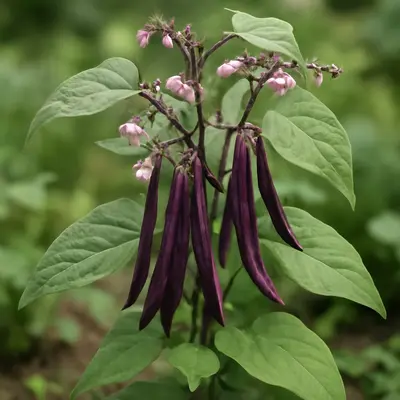
"Extra-fine" grade beans are 4-5" long with straight, slender, bright purple pods. Turns green upon cooking. Medium-size upright plants yield well. Small, light brown seeds. Bush bean.
Harvest
51d
Days to harvest
Sun
Full sun
Zones
2–11
USDA hardiness
Height
18-24 inches
Planting Timeline
Showing dates for Velour in USDA Zone 7
All Zone 7 bean →Zone Map
Click a state to update dates
Velour · Zones 2–11
Growing Details
Succession Planting
Direct sow Velour every 14–21 days starting after your last frost date, through late June in most zones. The UGA vegetable calendar recommends a third planting in May for exactly this reason — spread your harvest window instead of getting buried in beans for two weeks straight. Stop sowing when daytime highs are holding at 90°F or above; bean flowers drop in that heat and pod set from a late planting will disappoint you.
In zone 7, that window runs roughly April 1 through June 20. At 51 days to harvest, a mid-June sowing still finishes before the worst of summer heat locks in. For a fall run, direct sow again around August 15 — pods will size up as temperatures drop back into the 70s.
Complete Growing Guide
Velour beans are best started by direct sowing seeds into the garden after all danger of frost has passed and soil temperatures reach at least 60°F, ideally 70°F or warmer. Unlike some bean varieties, Velour does not benefit from indoor sowing due to its short 51-day maturity window and the fact that young transplants can become leggy and stressed before hardening off. Sow seeds directly where they will grow, timing your planting for late spring once the soil has warmed thoroughly. In cooler climates, waiting until a week after your last frost date ensures the best germination rates.
Prepare your planting bed by loosening soil to a depth of 8 inches and incorporating compost or well-rotted manure, as Velour thrives in rich, well-draining soil with a pH between 6.0 and 7.0. Space seeds 4 inches apart in rows set 18 inches apart, planting seeds ½ inch deep. This spacing accommodates Velour's medium-size upright growth habit while allowing adequate air circulation around the plants, which is crucial given the variety's susceptibility to powdery mildew in humid conditions.
Water consistently throughout the season, providing roughly 1 to 1.5 inches per week through rainfall or irrigation. Keep soil evenly moist but never waterlogged, as Velour is prone to root rot if drainage is poor. Water at the base of plants in the early morning to minimize leaf wetness and reduce disease pressure. Once plants are established, a balanced fertilizer applied every three weeks will support steady growth, though avoid over-fertilizing with nitrogen, which can promote excessive foliage at the expense of pod production.
Monitor closely for spider mites and bean beetles, which find Velour's tender purple pods particularly attractive. Hand-pick beetle clusters early in the morning, and use insecticidal soap for mite infestations. Velour's bright purple pods, while visually stunning, can also signal a deficiency if they appear pale or mottled—this often indicates insufficient boron in the soil. A light application of borax solution applied early in the season prevents this problem.
Succession planting extends your harvest significantly. Rather than sowing all seeds at once, plant new seeds every two weeks starting after the first planting emerges until 8 weeks before your first fall frost. This staggered approach ensures continuous pod production throughout the summer.
The most common mistake gardeners make with Velour is harvesting too late. These extra-fine beans achieve peak tenderness at exactly 4 to 5 inches long; waiting for larger pods results in tough, stringy beans with large seeds visible inside the pod. Check plants every two days during peak production and pick pods at the ideal size for the best flavor and texture.
Harvesting
Velour reaches harvest at 51 days from sowing per Johnny's Selected Seeds. Expect 4-5" at peak. As an annual, harvest continues until frost ends the season.
The boat-shaped seed pods are bilaterally symmetrical and can be green, yellow, white, or purple at maturity. There is a wide variety of color and shape choices among cultivars.
Color: Gold/Yellow, Green, Purple/Lavender, White. Type: Legume. Length: > 3 inches. Width: < 1 inch.
Garden value: Edible, Good Dried
Harvest time: Fall, Summer
Storage & Preservation
Harvest Velour beans at 51 days and store fresh pods in a perforated plastic bag in the refrigerator's crisper drawer at 40–45°F with 85–90% humidity; they'll keep for 5–7 days. For longer storage, blanch whole pods for 3 minutes, cool immediately in ice water, drain well, and freeze in airtight containers or freezer bags for up to ten months. Canning is reliable using a pressure canner at 10 PSI for pints (20 minutes) or quarts (25 minutes); follow tested USDA guidelines. Drying is straightforward: allow pods to mature fully on the plant, shell when completely dry and brittle, then store seeds in a cool, dry place. Velour's velvet-textured pods are particularly prone to surface moisture retention after washing, so pat them thoroughly dry before refrigerating to prevent early decay.
History & Origin
Velour is open-pollinated, meaning seed saved from healthy plants will produce true-to-type offspring. Listed in the Johnny's Selected Seeds catalog.
Origin: Tropical America
Advantages
- +Extra-fine 4-5 inch pods are straight and visually striking purple
- +Turns vibrant green when cooked, making attractive finished dishes
- +Fast 51-day maturity allows multiple succession plantings per season
- +Compact upright plants maximize yields in limited garden space
- +Easy difficulty level makes this variety perfect for beginners
Considerations
- -Purple pods may be harder to spot during harvest time
- -Bush type requires successive planting for continuous bean production
- -Light brown seeds are small, making hand-planting slightly tedious
Companion Plants
Marigolds and nasturtiums earn their place at the bed edges — marigolds deter aphids and bean beetles through scent compounds, while nasturtiums draw aphids onto themselves and away from your pods. Corn makes a sensible neighbor too: Velour tops out at 18–24 inches and won't compete for light, and the beans quietly fix nitrogen that feeds the corn's heavy appetite. Summer savory has a specific reputation for repelling bean beetles that goes back a long time, and it's compact enough to tuck between rows without crowding. Keep onions and garlic on the other side of the garden entirely — both suppress the Rhizobium bacteria in bean roots, which is the main reason you're growing a legume in the first place.
Plant Together
Marigold
Repels bean beetles, aphids, and nematodes while attracting beneficial insects
Carrots
Loosen soil for bean roots and don't compete for nitrogen since beans fix their own
Corn
Provides natural support structure for climbing beans in Three Sisters planting
Nasturtiums
Act as trap crop for aphids and cucumber beetles while repelling bean beetles
Summer Savory
Repels bean beetles and aphids, may improve bean flavor and growth
Radishes
Break up compacted soil and mature quickly without competing for space
Cucumber
Both benefit from similar growing conditions and beans provide nitrogen cucumbers need
Catnip
Repels aphids, ants, and flea beetles that commonly attack beans
Keep Apart
Onions
Can inhibit bean growth and nitrogen fixation through root secretions
Garlic
Stunts bean growth and interferes with beneficial rhizobia bacteria
Sunflowers
Compete heavily for nutrients and water, can shade beans and reduce yields
Nutrition Facts
Per 100g serving. % Daily Value based on 2,000 calorie diet. Source: USDA FoodData Central (FDC #2346400)
Pests & Disease Resistance
Resistance
Halo Blight (High); One or more races of Bean Mosaic Virus (High)
Common Pests
Bean beetles, spider mites, aphids
Diseases
Bean rust, powdery mildew, anthracnose
Troubleshooting Velour
What you'll see, why it happens, and what to do about it.
Leaves with ragged chunks missing, skeletonized patches, or small round holes — noticed around weeks 4–7
Likely Causes
- Mexican bean beetle (Epilachna varivestis) — larvae and adults chew leaf tissue from the underside
- Bean leaf beetle (Cerotoma trifurcata) — small round feeding holes, often mistaken for slug damage
What to Do
- 1.Flip leaves and look for yellow egg clusters or orange larvae on the undersides; crush them by hand if populations are low
- 2.For heavier pressure, apply spinosad or pyrethrin in the evening when pollinators aren't active
- 3.Rotate beans out of the same bed every 2 years — UGA Extension flags bean beetles as a top-10 garden pest, and overwintering adults return to familiar ground
Orange-brown pustules on leaf undersides with corresponding yellow spots on top — usually shows up mid-season after a stretch of humid nights
Likely Causes
- Bean rust (Uromyces appendiculatus) — spreads fast in humid conditions above 60°F
- Overhead irrigation or dense planting that keeps foliage wet for extended periods
What to Do
- 1.Switch to drip or soaker irrigation — a 2-inch compost mulch under the plants also reduces spore splash from soil
- 2.Remove and bag (don't compost) heavily infected leaves
- 3.Apply a sulfur-based fungicide at first sign of pustules; repeat every 7–10 days if conditions stay humid
Dark, sunken lesions on pods — sometimes with pink or salmon-colored spore masses in the center — plus brown spots on leaves
Likely Causes
- Anthracnose (Colletotrichum lindemuthianum) — seed-borne and soil-borne fungus, worse in wet springs
- Planting in the same spot year after year; NC State Extension diagnostics note this allows the pathogen to persist in soil
What to Do
- 1.Start with certified disease-free seed — anthracnose rides in on infected seed more often than it blows in from neighboring plots
- 2.Stay out of the bean patch when plants are wet; the fungus spreads easily on hands and tools
- 3.Pull legumes from that bed for 2–3 seasons; NC State Extension organic management guidance notes a fallow year or cover crop can break the cycle
Frequently Asked Questions
How long does it take Velour beans to mature?▼
Is Velour a good bean variety for beginners?▼
Can I grow Velour beans in containers?▼
What does Velour taste like and how should I cook them?▼
When should I plant Velour beans?▼
Why choose Velour over other purple bean varieties?▼
Zone-by-Zone Planting Calendar
| Zone | Indoor Start | Transplant | Direct Sow | Harvest |
|---|---|---|---|---|
| Zone 1 | — | — | July – August | September – August |
| Zone 2 | — | — | June – August | September – September |
| Zone 11 | — | — | January – March | April – May |
| Zone 12 | — | — | January – March | April – May |
| Zone 13 | — | — | January – March | April – May |
| Zone 3 | — | — | June – July | August – October |
| Zone 4 | — | — | June – July | August – October |
| Zone 5 | — | — | May – June | August – September |
| Zone 6 | — | — | May – June | July – September |
| Zone 7 | — | — | April – June | July – August |
| Zone 8 | — | — | April – May | June – August |
| Zone 9 | — | — | March – April | May – July |
| Zone 10 | — | — | February – April | May – June |
Growing Guides from Wind River Greens
Sources & References
External authority sources used in compiling this guide.
- BreederJohnny's Selected Seeds
- USDAUSDA FoodData Central
See the Methodology page for how this data is sourced, what's AI-assisted, and known limitations.