Top Notch Golden Wax
Phaseolus vulgaris 'Top Notch Golden Wax'
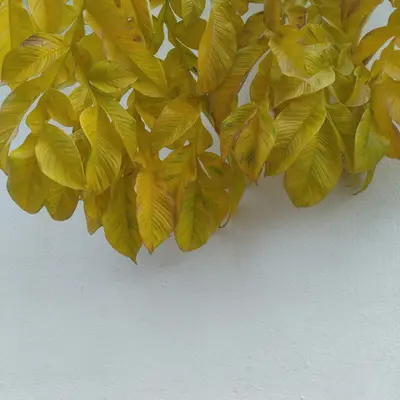
A premium yellow wax bean variety that combines disease resistance with exceptional eating quality and attractive golden-yellow pods. This modern improvement on classic wax beans offers more consistent production and better pod quality than older varieties. The tender, stringless pods have a delicate flavor and beautiful presentation that makes them perfect for fresh eating or preserving.
Harvest
50-55d
Days to harvest
Sun
Full sun
Zones
2–11
USDA hardiness
Difficulty
Easy
Planting Timeline
Showing dates for Top Notch Golden Wax in USDA Zone 7
All Zone 7 bean →Zone Map
Click a state to update dates
Top Notch Golden Wax · Zones 2–11
Growing Details
Succession Planting
Direct sow every 14 days from your last frost date through early June in zone 7 — the UGA Extension vegetable calendar recommends a third planting as late as May, and Top Notch Golden Wax at 50 to 55 days to harvest can still finish before hard frost if seeds go in the ground by late June. Stop sowing once daytime highs are consistently above 90°F; bean blossoms drop in that heat and you'll end up with a lot of foliage and nothing to pick.
Keep successive plantings in fresh ground if you can manage it. A 2-inch layer of compost mulch applied at establishment helps hold the 1 inch of weekly moisture these beans need and reduces soil splash onto the lower foliage — which is the main way bacterial blight moves from the dirt to the plant.
Complete Growing Guide
Top Notch Golden Wax performs best when direct sown into warm soil after your last spring frost date. Unlike some varieties that tolerate cool conditions, these beans need soil temperatures of at least 60°F to germinate reliably, though 70°F or warmer produces faster, more uniform sprouting. You can start seeds indoors in peat pots three to four weeks before your frost date if you prefer a head start, but direct sowing two weeks after the last frost is the most common and successful approach. Simply push seeds one inch deep into the soil, spacing them two inches apart. Once seedlings emerge and develop their first true leaves, thin them to six inches apart to allow adequate air circulation around the plant canopy.
Prepare your planting bed with well-draining soil rich in organic matter, though Top Notch Golden Wax is relatively forgiving about soil fertility. Mix in compost before planting, and ensure the area receives a full six hours of direct sunlight daily—this variety's beautiful golden pods develop their rich color and superior eating quality only with adequate light. Avoid planting in compacted clay, which encourages root diseases that this variety, while disease-resistant, can still succumb to under poor conditions.
Water consistently throughout the growing season, providing approximately one inch per week through rainfall or irrigation. These beans prefer evenly moist soil without waterlogging; inconsistent watering stresses plants and invites disease problems. Feed with a balanced, low-nitrogen fertilizer when plants flower, as excess nitrogen promotes foliage at the expense of pod production.
Mexican bean beetles and aphids pose the greatest pest threat to Top Notch Golden Wax specifically. Scout plants regularly starting at flowering time, handpicking beetle clusters from leaf undersides or using neem oil for heavy infestations. Leafhoppers cause stippling and curled leaf edges—insecticidal soap controls them effectively. Watch for bacterial blight and rust, particularly in humid conditions, by removing affected leaves promptly and improving air flow.
Top Notch Golden Wax produces abundantly on a naturally compact bush plant that requires no trellising or pruning. For continuous harvests, succession plant seeds every two weeks until eight weeks before your first fall frost. Harvest pods when they reach four to five inches long and are still tender and bright golden; daily picking encourages continued flower production and prevents tough, overripe pods.
The most common mistake gardeners make with this variety is harvesting too late. Top Notch Golden Wax pods deteriorate rapidly once they mature fully, becoming stringy and losing their delicate flavor. Pick every two to three days at the tender stage to enjoy their exceptional quality and maximize total production throughout the season.
Harvesting
Harvest Top Notch Golden Wax beans when the pods reach four to six inches in length and display a bright, uniform golden-yellow color with a slight waxy sheen, feeling firm and snappy when bent gently. Pick beans every two to three days rather than waiting for a single bulk harvest, as continuous picking stimulates more prolific flowering and extends your production window significantly. The critical timing tip: harvest in early morning after dew dries but before heat stress sets in, as pods picked during cooler hours maintain superior tenderness and flavor. Beans harvested at this peak stage will be completely stringless and at their most tender, delivering the delicate eating quality this variety is bred to provide.
The boat-shaped seed pods are bilaterally symmetrical and can be green, yellow, white, or purple at maturity. There is a wide variety of color and shape choices among cultivars.
Color: Gold/Yellow, Green, Purple/Lavender, White. Type: Legume. Length: > 3 inches. Width: < 1 inch.
Garden value: Edible, Good Dried
Harvest time: Fall, Summer
Storage & Preservation
Fresh Top Notch Golden Wax beans store best in the refrigerator, unwashed in a perforated plastic bag in the crisper drawer. They maintain peak quality for 5-7 days, though their golden color may fade slightly over time. For optimal flavor and texture, use within 3 days of harvest.
For freezing, blanch whole pods in boiling water for 3 minutes, immediately plunge into ice water, then drain and package in freezer bags. Frozen wax beans retain their quality for 8-12 months. Their tender texture makes them excellent for canning—follow USDA guidelines for pressure canning green beans, as the same processing times apply to wax varieties.
Wax beans can also be pickled using standard dilly bean recipes, where their golden color creates an attractive alternative to traditional green pickled beans. Dehydrating is less common but possible; blanch briefly before drying to preserve color and texture.
History & Origin
The Top Notch Golden Wax bean represents a modern refinement of the classic wax bean tradition that emerged in the nineteenth century, when yellow-podded beans first gained prominence in American gardens. While specific breeder attribution and introduction date remain undocumented in readily available sources, this variety embodies the systematic improvement work conducted by commercial seed companies throughout the twentieth century to enhance disease resistance, pod consistency, and stringlessness in traditional wax bean lines. Its development reflects decades of selection within established wax bean germplasm, prioritizing the traits that define contemporary market standards: reliable yields, tender texture, and visual appeal for both home gardeners and commercial producers.
Origin: Tropical America
Advantages
- +Modern variety offers more consistent production than older wax bean varieties.
- +Stringless, tender pods require no preparation and cook quickly.
- +Beautiful golden-yellow pods enhance visual appeal of fresh dishes.
- +Disease-resistant breeding reduces common bean crop failures.
- +Early maturity at 50-55 days fits short growing seasons.
Considerations
- -Susceptible to bacterial blight in wet or humid conditions.
- -Mexican bean beetles specifically target wax bean varieties like this.
- -Powdery mildew pressure increases in crowded plantings without air circulation.
- -Aphids and leafhoppers require monitoring to prevent population explosions.
Companion Plants
Marigolds (French types like Tagetes patula in particular) and nasturtiums both deter aphids and Mexican bean beetles through scent — plant them at the bed edges at 12-inch intervals rather than scattered randomly and they actually pull their weight. Summer savory is the traditional bean companion: it repels bean beetles and stays small enough at 12–18 inches to tuck between rows without crowding the crop. Carrots and radishes share the root zone without competing for the same resources, and radishes double as a trap crop for flea beetles. Onions and fennel are the ones to pull off the list — onions stunt bean growth through direct root competition, and fennel produces allelopathic compounds that suppress most neighboring vegetables regardless of spacing.
Plant Together
Marigolds
Repel bean beetles, aphids, and other harmful insects while attracting beneficial predators
Nasturtiums
Act as trap crops for aphids and cucumber beetles, protecting beans from pest damage
Carrots
Help break up soil for bean roots and don't compete for nutrients since beans fix nitrogen
Radishes
Loosen soil around bean plants and mature quickly without competing for space
Lettuce
Benefits from nitrogen fixed by beans and provides living mulch to retain soil moisture
Summer Savory
Repels bean weevils and may improve bean flavor and growth
Rosemary
Deters bean beetles and other pests with its strong aromatic compounds
Corn
Provides natural support structure for climbing varieties and benefits from nitrogen fixed by beans
Keep Apart
Onions
May inhibit bean growth and nitrogen fixation through root secretions
Fennel
Produces allelopathic compounds that inhibit growth and development of bean plants
Sunflowers
Compete heavily for nutrients and water while potentially releasing growth-inhibiting chemicals
Nutrition Facts
Per 100g serving. % Daily Value based on 2,000 calorie diet. Source: USDA FoodData Central (FDC #2346400)
Pests & Disease Resistance
Resistance
Resistant to bean common mosaic virus and white mold
Common Pests
Mexican bean beetle, aphids, leafhoppers
Diseases
Bacterial blight, rust, powdery mildew
Troubleshooting Top Notch Golden Wax
What you'll see, why it happens, and what to do about it.
Leaves with ragged chunks missing, skeletonized tissue, or a lacy appearance — often showing up around week 5 to 7
Likely Causes
- Mexican bean beetle (Epilachna varivestis) — adults and larvae both feed on leaf undersides, leaving the characteristic lacy damage
- Bean leaf beetle (Cerotoma trifurcata) — chews round holes straight through the leaf
What to Do
- 1.Check the undersides of leaves for yellow egg clusters or orange, spiny larvae — Mexican bean beetle egg masses look like tiny yellow footballs in groups; crush them on sight
- 2.Hand-pick adult beetles into soapy water in the early morning when they're sluggish
- 3.If pressure is heavy enough to threaten the whole planting (more than half the plants affected), apply spinosad or pyrethrin according to label rates; both have short pre-harvest intervals
Leaves puckering, curling, or developing a sticky film (honeydew), sometimes with a black sooty coating on the surface
Likely Causes
- Aphid colonies (commonly black bean aphid, Aphis fabae, or green peach aphid, Myzus persicae) — they cluster on new growth and undersides of young leaves
- Leafhopper feeding (Empoasca fabae) — causes similar distortion and a yellowing called 'hopperburn' along leaf margins
What to Do
- 1.Knock aphids off with a firm spray from a hose — repeat every 2 to 3 days for a week
- 2.Protect existing populations of ladybugs and parasitic wasps by avoiding broad-spectrum sprays early in the season
- 3.For leafhoppers, floating row cover at planting (pulled at bloom so pollinators can get in) keeps populations down without any spray
Water-soaked spots on leaves and pods that turn brown and papery, sometimes with a yellow halo; tissue may crack or ooze in humid weather
Likely Causes
- Common bacterial blight (Xanthomonas axonopodis pv. phaseoli) — spreads by rain splash and infected seed
- Halo blight (Pseudomonas savastanoi pv. phaseolicola) — produces a more distinct pale green or yellow ring around each lesion
What to Do
- 1.Pull and trash (not compost) severely infected plants — the bacteria overwinter in debris and carry over in soil
- 2.Don't work in the bed when foliage is wet; that's the fastest way to move both pathogens from plant to plant on your hands and tools
- 3.Rotate out of any Phaseolus crop for at least 2 seasons and start the next planting with certified disease-free seed — NC State Extension's IPM case study notes that planting beans in the same spot five years running builds blight pressure fast
Orange or rust-colored pustules on leaf undersides, with corresponding yellow spots on the upper surface; heavy infections cause early defoliation
Likely Causes
- Bean rust (Uromyces appendiculatus) — spreads fast in warm, humid conditions, especially when nights stay above 55°F and foliage stays wet
- Spacing tighter than 4 inches that traps moisture and cuts airflow between plants
What to Do
- 1.Strip and bag affected leaves at first sign — they don't belong in the compost pile
- 2.Switch to a soaker hose if you're overhead watering; wet foliage after 5 p.m. reliably accelerates Uromyces spread
- 3.If powdery mildew (white coating on upper leaf surfaces) appears alongside rust, a single application of potassium bicarbonate can address both at once
Frequently Asked Questions
How long does Top Notch Golden Wax take to grow from seed?▼
Can you grow Top Notch Golden Wax beans in containers?▼
What's the difference between Top Notch Golden Wax and regular green beans?▼
Are Top Notch Golden Wax beans good for beginners?▼
When should I plant Top Notch Golden Wax beans?▼
Do Top Notch Golden Wax beans really have no strings?▼
Zone-by-Zone Planting Calendar
| Zone | Indoor Start | Transplant | Direct Sow | Harvest |
|---|---|---|---|---|
| Zone 3 | — | — | June – July | August – October |
| Zone 4 | — | — | June – July | August – October |
| Zone 5 | — | — | May – June | August – September |
| Zone 6 | — | — | May – June | July – September |
| Zone 7 | — | — | April – June | July – August |
| Zone 8 | — | — | April – May | June – August |
| Zone 9 | — | — | March – April | May – July |
| Zone 10 | — | — | February – April | May – June |
| Zone 1 | — | — | July – August | September – August |
| Zone 2 | — | — | June – August | September – September |
| Zone 11 | — | — | January – March | April – May |
| Zone 12 | — | — | January – March | April – May |
| Zone 13 | — | — | January – March | April – May |
Growing Guides from Wind River Greens
Sources & References
External authority sources used in compiling this guide.
See the Methodology page for how this data is sourced, what's AI-assisted, and known limitations.